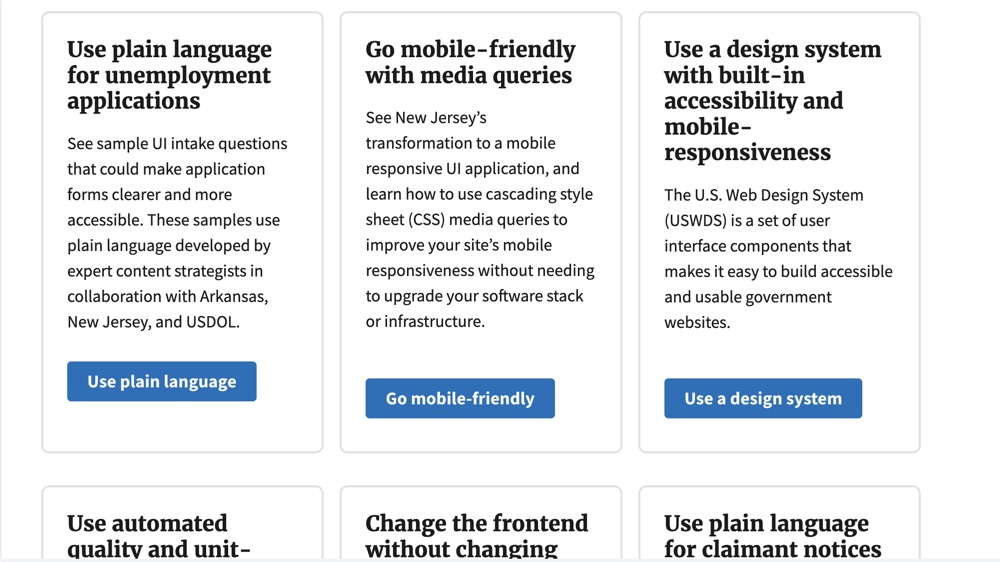
The U.S. Department of Labor is working with states, territories, and the public to develop strategies to continuously improve the nation’s unemployment insurance (UI) systems.
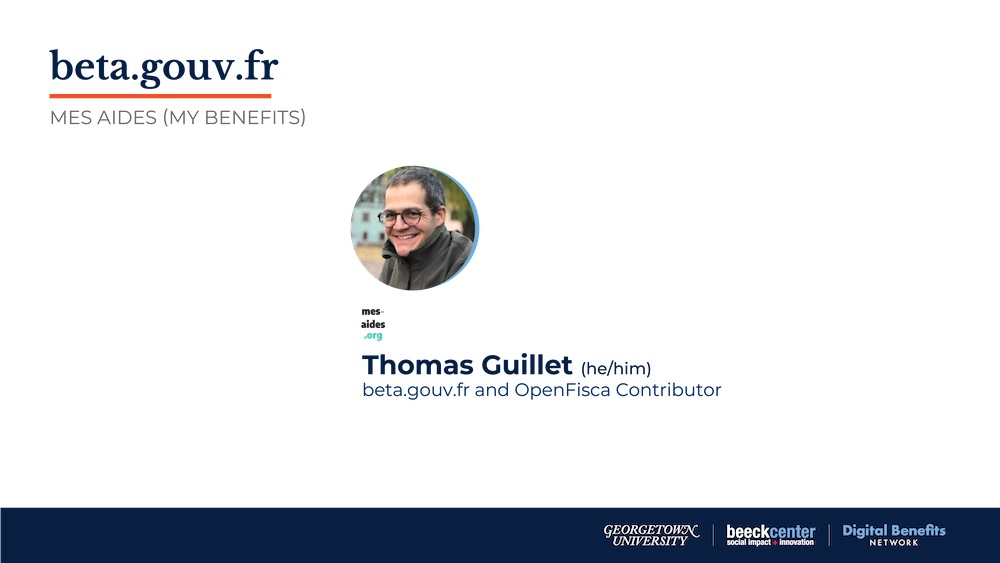
The first half of Rules as Code Demo Day was wrapped up with Thomas Guillet who has contributed to Open Fisca France and beta.gouv. He demoed the code for Mes Aides—or My Benefits—which is France’s social benefit simulator that leverages open source rule models for over 600 benefits while keeping the displayed complexity to its minimum.
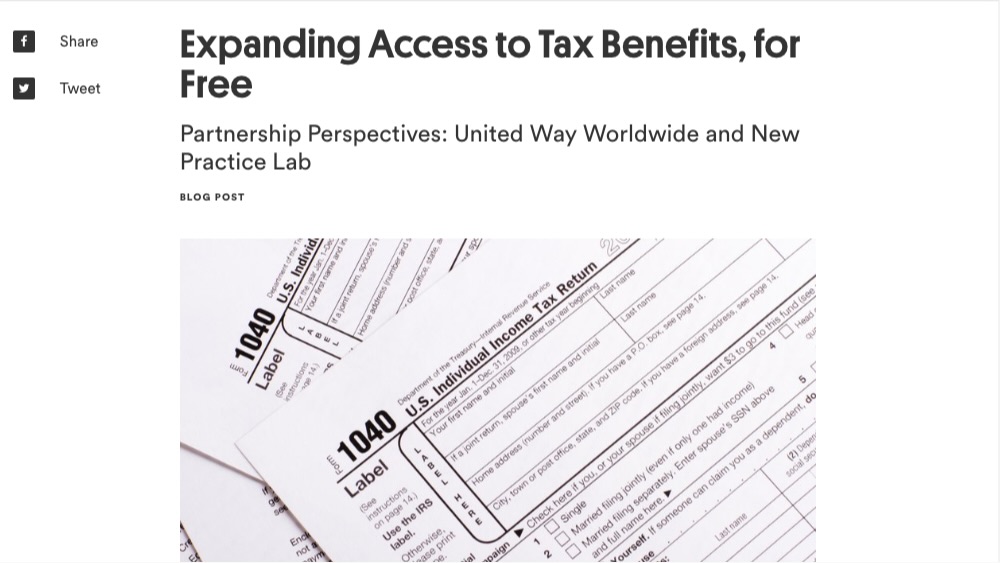
Expanding access to free tax assistance through virtual Volunteer Income Tax Assistance (VITA) programs can help low-income filers claim essential tax benefits without incurring preparation fees.
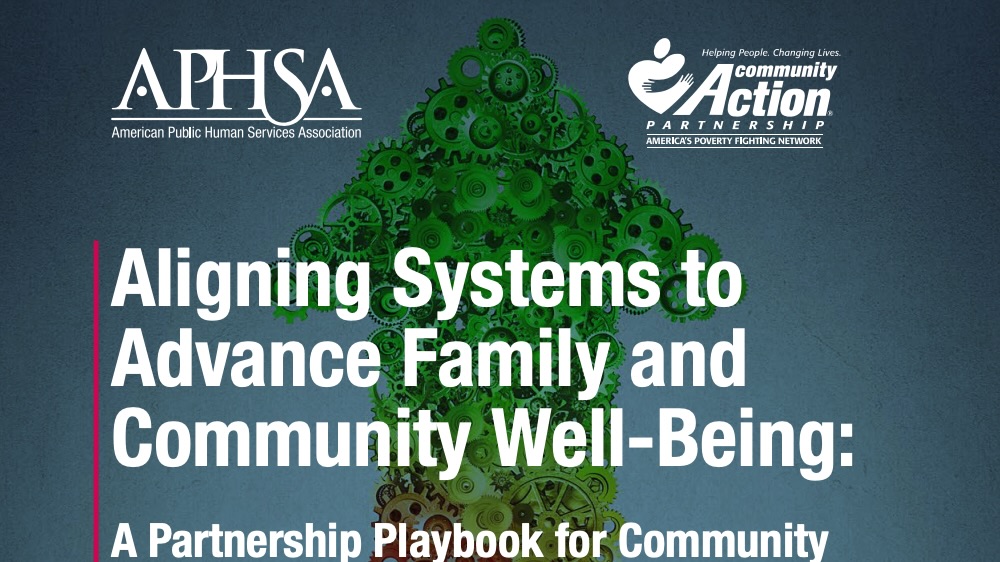
This playbook outlines the ways Community Action and human services agencies worked together to meet the pandemic challenge—what worked well, obstacles and difficulties, and lessons learned to inform the path forward, partnering to achieve a more equitable recovery. It also explains how communities have leveraged opportunities to partner on approaches that hold the promise of deeper, longer lasting changes for families—work shaped by families’ wishes and strengths and designed to advance both family-level and systems-level change.
American Public Human Services Association (APHSA)
Using low-code/no-code tools successfully requires knowing how to pick the right tool and knowing the kind of challenges that merit calling in a technical team for consultation and advice.
Revision 4 of the National Institute of Standards and Technology (NIST) Special Publication 800-63, Digital Identity Guidelines, responds to the changing digital landscape that has emerged since the last major revision of this suite was published in 2017.
A case study of the Hawai‘i Career Acceleration Navigator — an accessible, data-driven and full-service government platform for unemployed people and other jobseekers to search for jobs and access supportive service benefits.
Drawing on interviews and convenings with experts and practitioners from the field of public interest technology, this report contains recommendations across five core priority action areas for cross-sector innovation and collaboration to improve state benefits systems through procurement practices.
Article announcing five new projects by the Office of Management and Budget that will improve experiences the public has with the government during significant movements in their lives. These “life experience” projects are at the center of a new model for how the Federal Government should better design and deliver benefits, services, and programs to the American people during the moments in their lives that matter most.
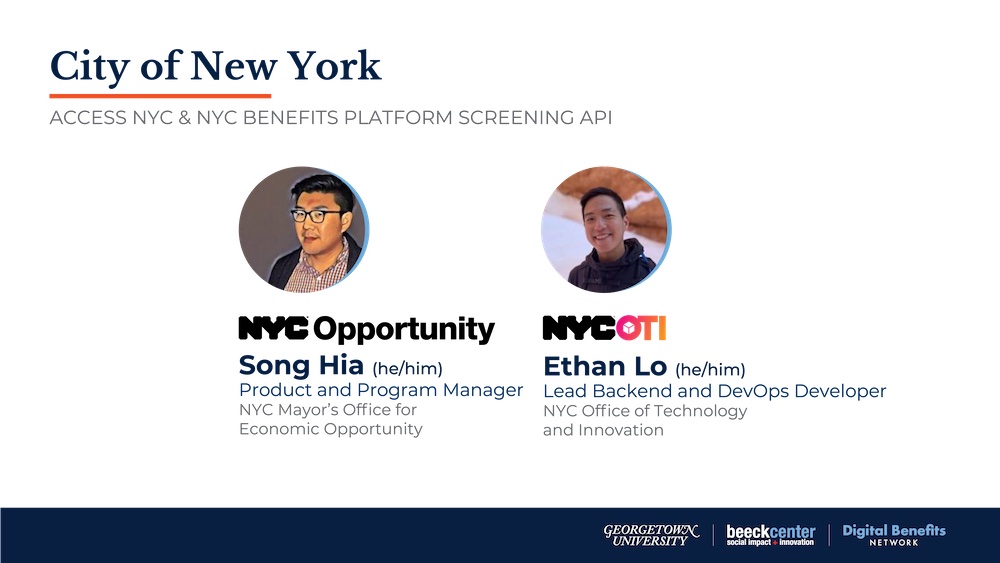
At Rules as Code Demo Day we heard from Song Hia of the NYC Mayor’s Office for Economic Opportunity and Ethan Lo of the NYC Office of Technology and Innovation who demoed the NYC Benefits Platform Screening API which provides machine-readable calculations and criteria for benefits screening that power the ACCESS NYC screening questionnaire. This makes it easier for NYC residents to discover multiple benefits they may be eligible for. The City is now extending the API to support the new MyCity platform, a one-stop shop for all services and benefits.