This charter defines the goals, scope and organization of the “Integrated Service Delivery (ISD) Product Office” charged with planning, implementing, governing, and managing all business transformation, change, and systems modernization efforts related to integrated service delivery, focused initially on integrated eligibility and enrollment.
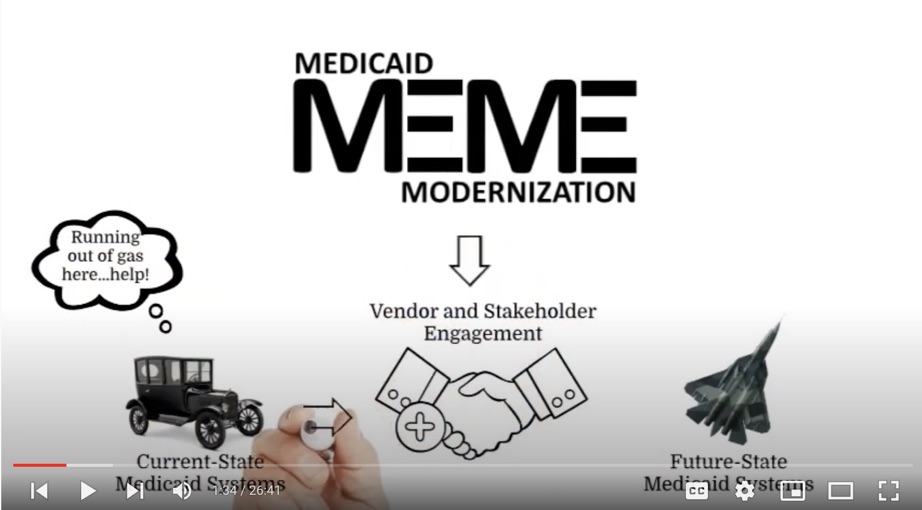
This artifact is a telestration video introducing Iowa Medicaid's Medicaid Enterprise Modernization Effort (MEME) initiative, providing vendors with background information and strategic outcome priority goals to elicit feedback from the vendor community via Request for Information (RFI).
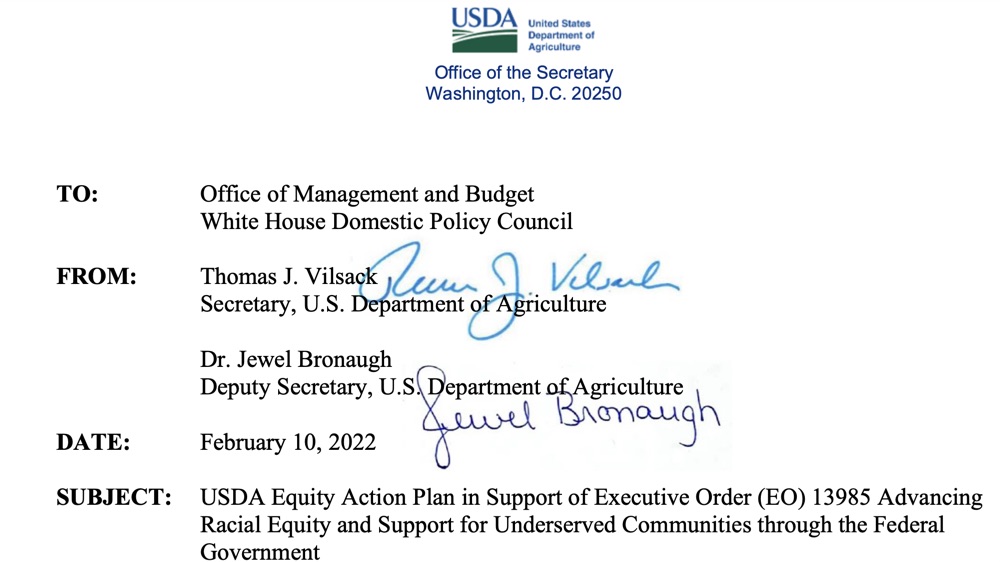
On January 20, 2021, the President issued EO 13985, which established that the Federal Government should pursue a comprehensive approach to advancing equity for all. USDA's Equity Action Plain details a subset of USDA actions to achieve this goal.
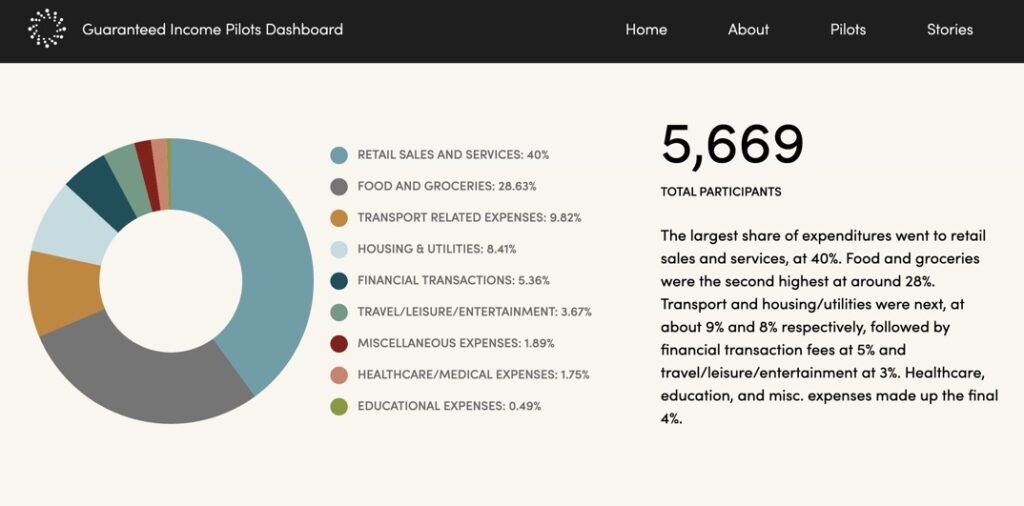
The Guaranteed Income Pilots Dashboard is designed to visualize data from 30+ guaranteed income pilots across the United States. This data and testimonies from participants shed light on ways in which unconditional cash is providing people the opportunity, freedom, and resilience to build financial security.
This booklet is designed to help procurement officers and other stakeholders ensure continuity of service, enable seamless future technology upgrades, and plan for contingencies. You can use it to evaluate a prospective vendor contract or bid, or to document how a project went.
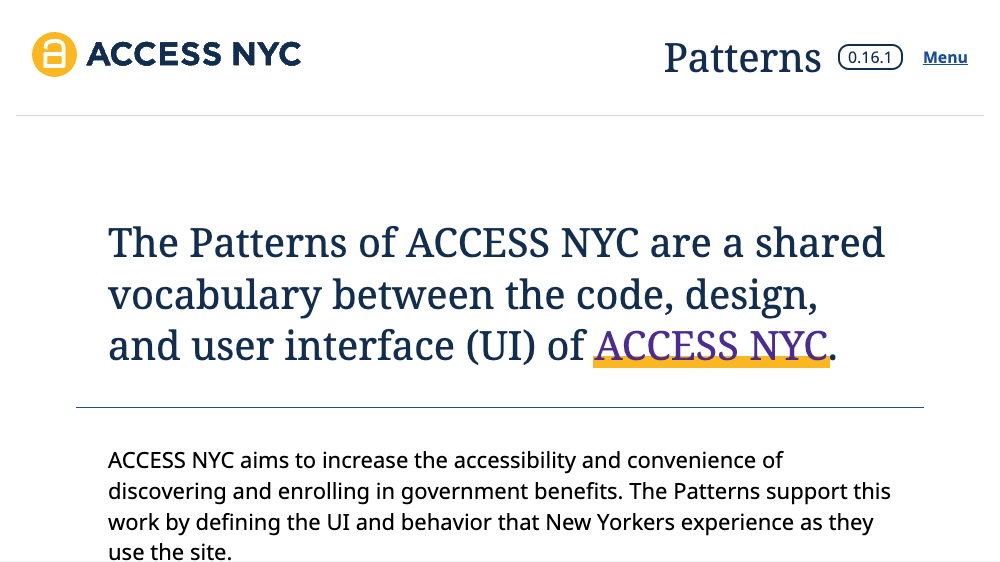
ACCESS NYC aims to increase the accessibility and convenience of discovering and enrolling in government benefits. These patterns support this work by defining the UI and behavior that New Yorkers experience as they use the site.
This report highlights 5 key takeaways from the Aspen Institute Financial Security Program's 2022 Benefits Forum, where 55 experts from various sectors discussed solutions for improving public and private benefits to better support workers and their families.
This guide consolidates learning and spotlights principles, insights, and emerging practices to guide municipal leaders and public-private partnerships interested in designing basic income programs that are ethical, equitable, rigorous, informative, and consequential for local, state and national policymaking.