This U.S. Department of Labor (DOL) strategy outlines a roadmap for modernizing the Unemployment Insurance (UI) system to enhance efficiency, equity, and access for workers.
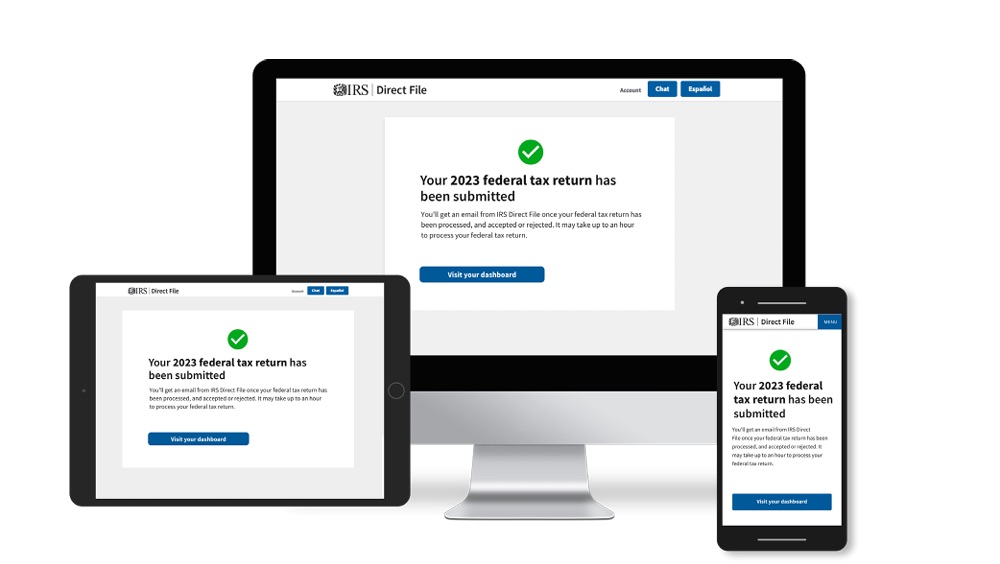
The IRS Direct File Pilot Program After Action Report evaluates the 2024 pilot of a free, government-run tax filing system, assessing taxpayer participation, user experience, and potential for future expansion.
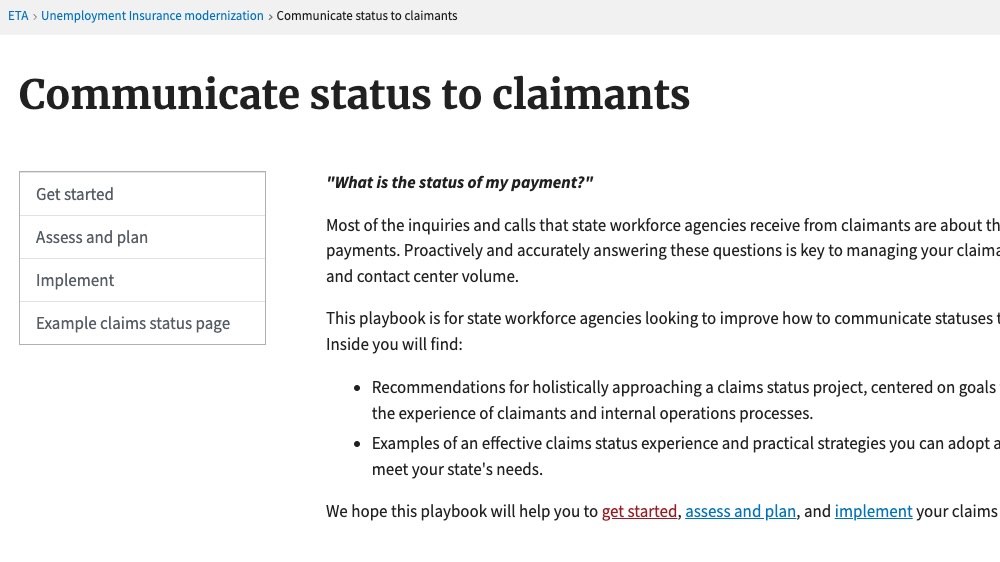
The U.S. Department of Labor provides a playbook to help state workforce agencies enhance communication with unemployment claimants by offering clear, proactive updates on claim statuses, thereby improving claimant satisfaction and reducing call center inquiries.
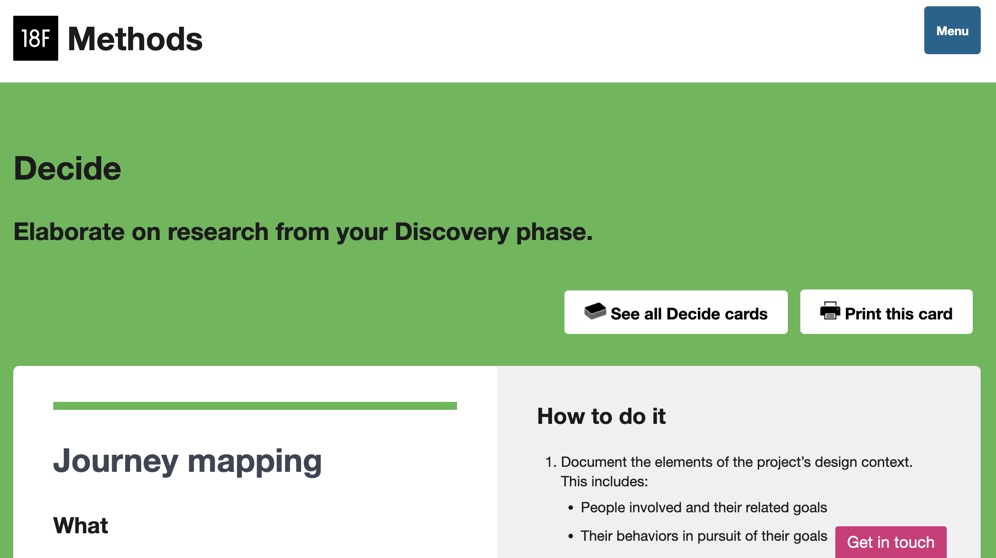
The Decide Methods help you derive insights from the information gathered during the Discovery phase. You’ll validate initial assumptions, develop a deeper understanding of workflows and processes, and develop design hypotheses.
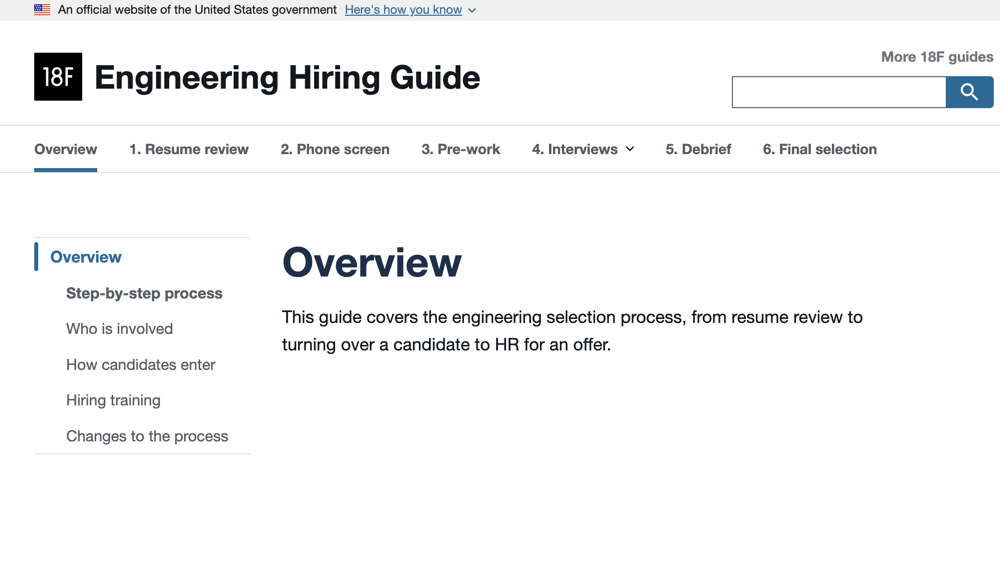
Government solicitations to procure custom software are often long, complicated, and take months. By using 18F’s agile contract format, agencies can hire an agile software contractor with a quickly-written dozen-page solicitation, allowing for immense savings in time and money.
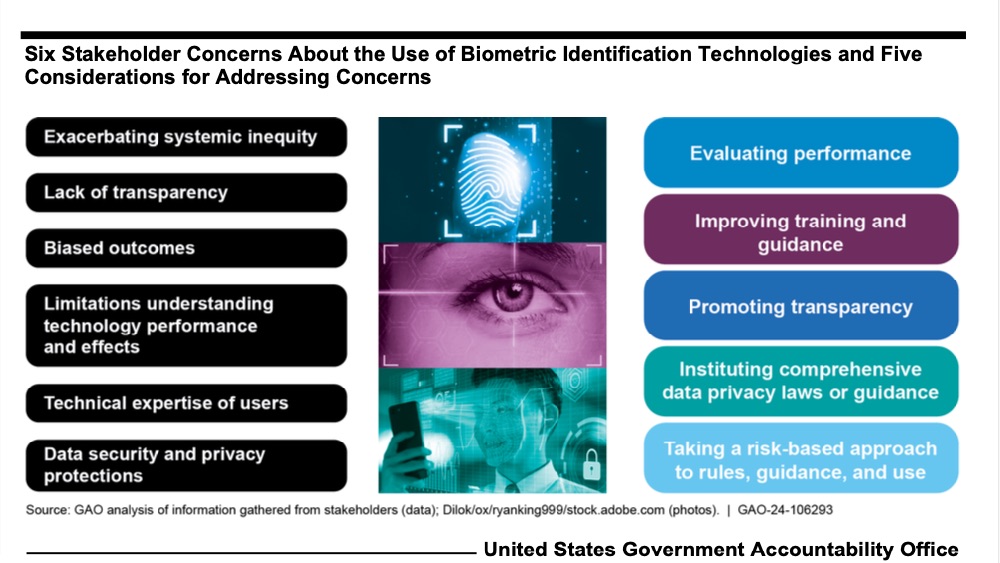
Biometric identification technologies—such as facial recognition and fingerprinting—can affect underserved communities, including low-income and minority communities. GAO interviewed academics, advocacy groups, and technology experts to find out how.
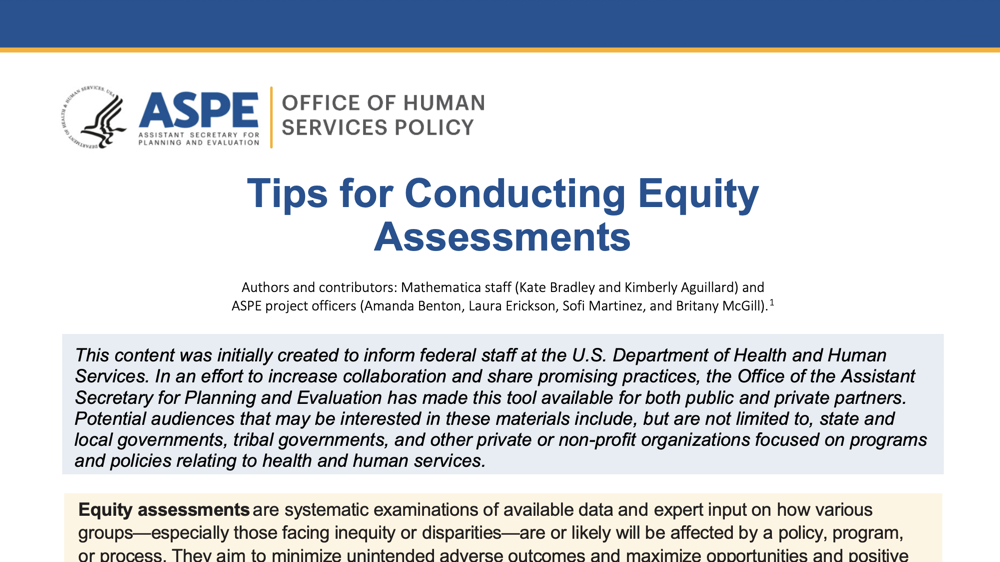
Originally created for use by federal staff at the U.S. Department of Health and Human Services, this tool describes the six steps for conducting equity assessments and provides tips for completing each step.
Office of the Assistant Secretary for Planning and Evaluation (ASPE)