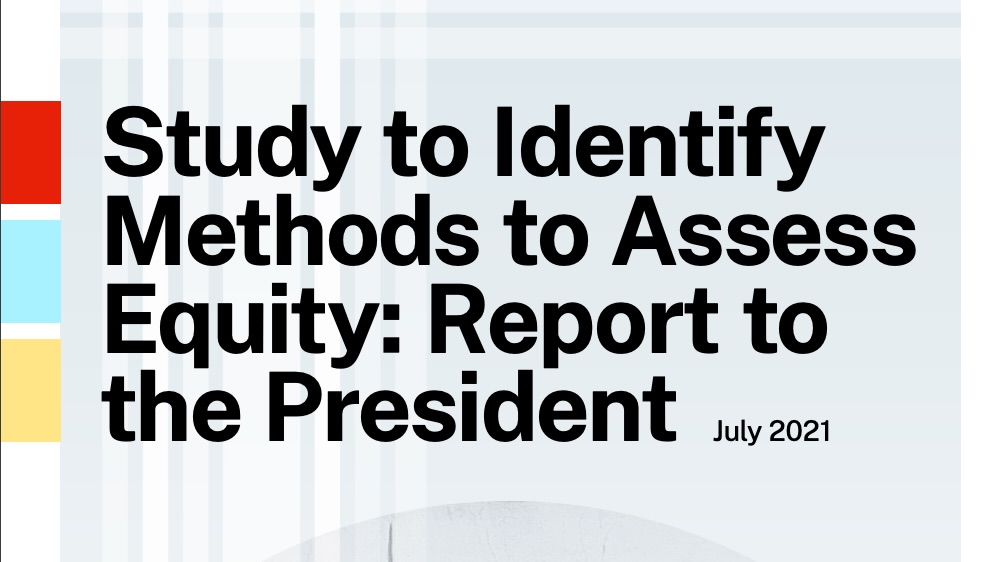
Study by the Director of the Office of Management and Budget assessing methods for determining whether agency policies and actions create or exacerbate barriers to full and equal participation by eligible individuals. This study followed the Executive Order on racial equity.
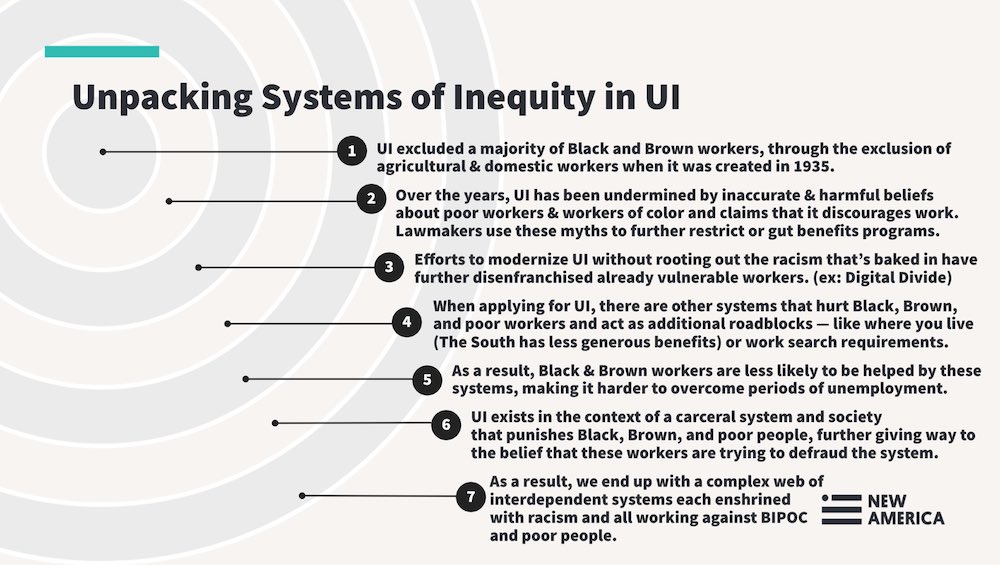
New America’s New Practice Lab discusses insights into racial inequities within the Unemployment Insurance System, and provides recommendations its framework for rectifying inequality in policies and programs moving forward.
An updated guide for public sector and civic data users to embed racial equity and community voice throughout the data life cycle—from planning to dissemination.
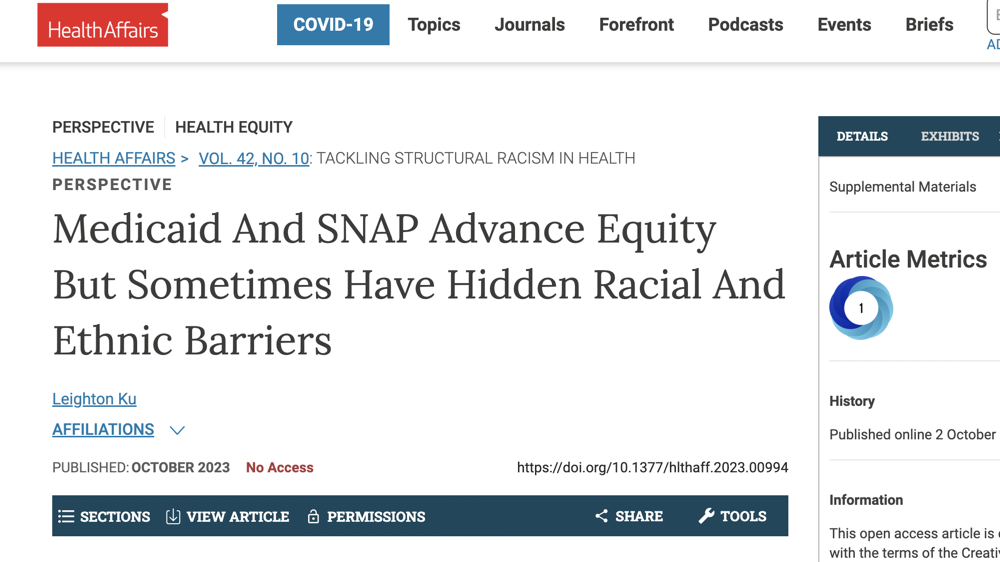
Medicaid and SNAP have reduced racial and ethnic disparities in healthcare access and food security, but some administrative and eligibility policies continue to create inequitable barriers.
This case study examines how Michigan’s Department of Health and Human Services uses data practices to advance racial equity in child welfare through identity-informed data collection and anonymous decision-making.
U.S. Department of Health and Human Services (HHS)
The Center on Budget and Policy Priorities (CBPP) report discusses how reducing administrative burdens in Medicaid can enhance health outcomes and promote racial equity.
This article examines how applying a Racial Equity Framework reveals systemic inequities in the Earned Income Tax Credit (EITC) program, offering insights into barriers faced by marginalized communities and potential solutions.
This report puts forth an anti-racist reimagining of Medicaid and CHIP that actively reckons with the racist history of the Medicaid program and offers principles and recommendations that capitalize on the transformative potential of the programs. The principles center the voices and agency of program participants and prioritize direct community involvement at all stages of the policy process.