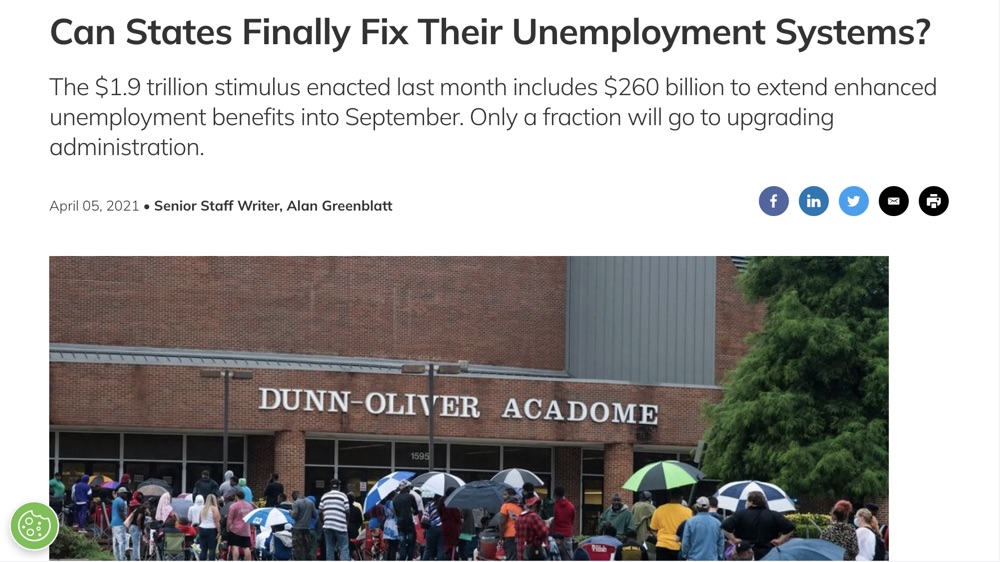
This article explores ongoing efforts to modernize state unemployment insurance (UI) systems, addressing long-standing inefficiencies and challenges exposed by the COVID-19 pandemic.
The Increasing Stimulus Payment Take-up in California report by the California Policy Lab examines barriers to accessing federal stimulus payments and provides strategies to increase take-up among eligible Californians, particularly low-income and non-filers.
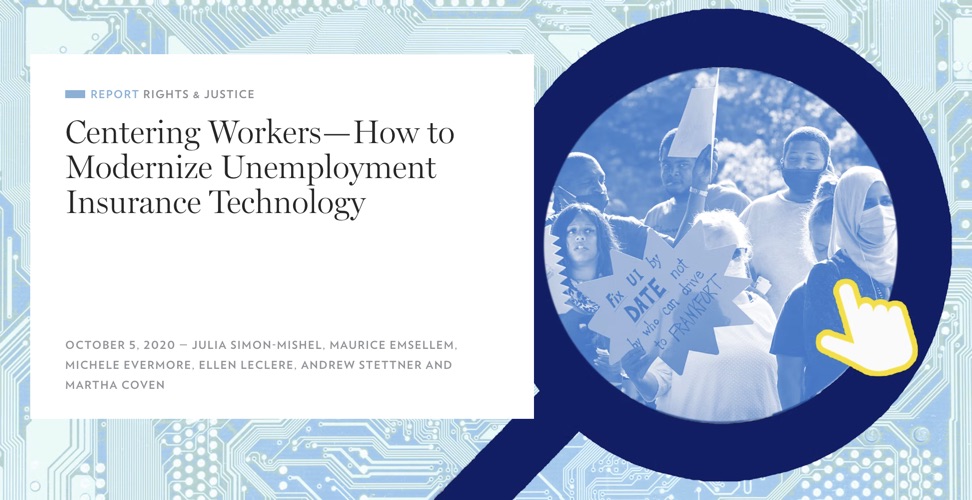
This report outlines how modernizing unemployment insurance (UI) technology with a worker-centered approach can improve access, efficiency, and equity in the UI system.
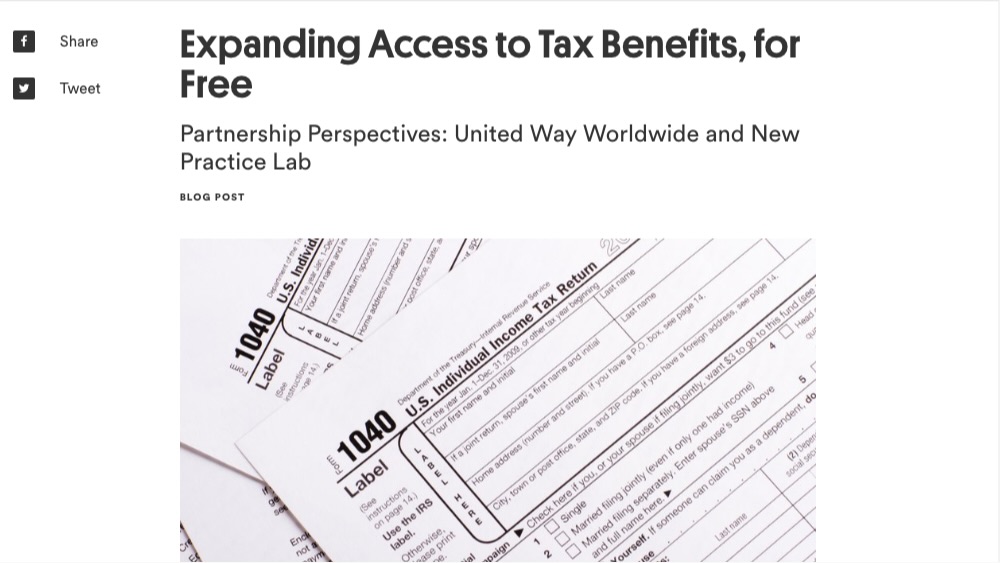
Expanding access to free tax assistance through virtual Volunteer Income Tax Assistance (VITA) programs can help low-income filers claim essential tax benefits without incurring preparation fees.
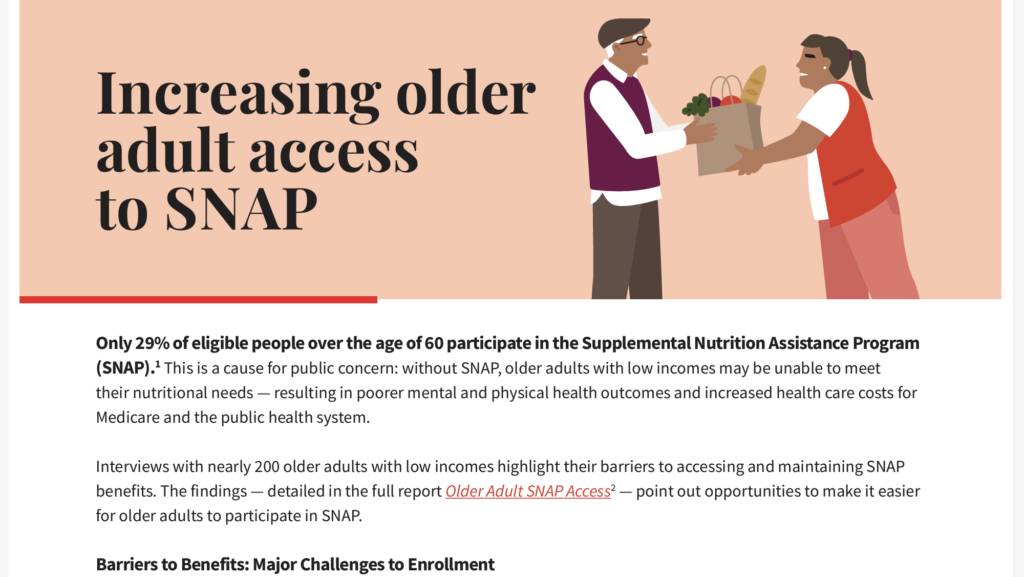
This brief highlights the complex journey that older adults experience when applying for and enrolling in SNAP, including the major barriers and solutions that improve access along the way.
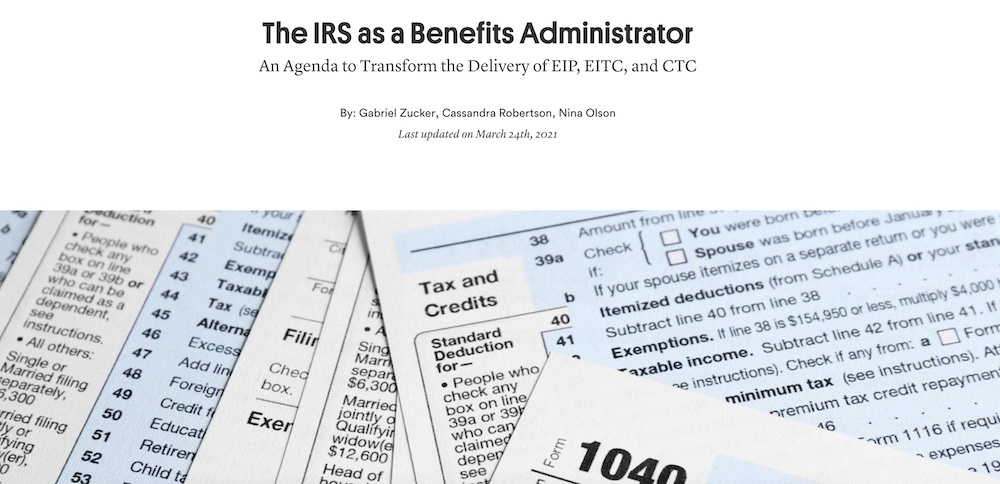
The IRS is arguably the single most critical benefits administrator in the country, given its responsibility for tax credit-based relief programs, and COVID-19 relief payments. Despite these programs’ incredible progress in reducing poverty, and despite great strides by the IRS to implement them successfully, accessing IRS benefits remains too difficult for many low-income families. This report presents a comprehensive agenda to increase benefit coverage rates, simplify Americans’ interactions with the IRS, and decrease the portion of IRS benefits diverted to third parties.
This report describes key elements of the American Rescue Plan Act and how it would reduce the projected poverty rate for 2021. Various projections regarding the effects of the policy are described in this report.