This report outlines the U.S. Department of Labor’s comprehensive action plan to strengthen the unemployment insurance (UI) system by addressing chronic underfunding and proposing legislative reforms to support long-term modernization and resilience.
This brief estimates of benefits, costs, interactions with other means tested programs, and impact on poverty for the paid family and medical leave program.
This report analyzes how proposed state cost-sharing requirements for SNAP would impact benefit access and poverty during a recession, projecting significant risks to low-income households if states are unable to maintain SNAP funding.
This report explores how public benefit systems can better support young adults by addressing the barriers they face in accessing and maintaining vital services like SNAP, Medicaid, and WIC.
This fact sheet outlines the key principles for designing an effective Child Tax Credit that reduces child poverty, supports working families, promotes racial and economic equity, and delivers long-term benefits for children and the economy.
This case study highlights how Illinois is modernizing its student data infrastructure and interagency data sharing to increase access to SNAP and Summer EBT benefits for eligible children and families, particularly those facing systemic barriers.
American Public Human Services Association (APHSA)
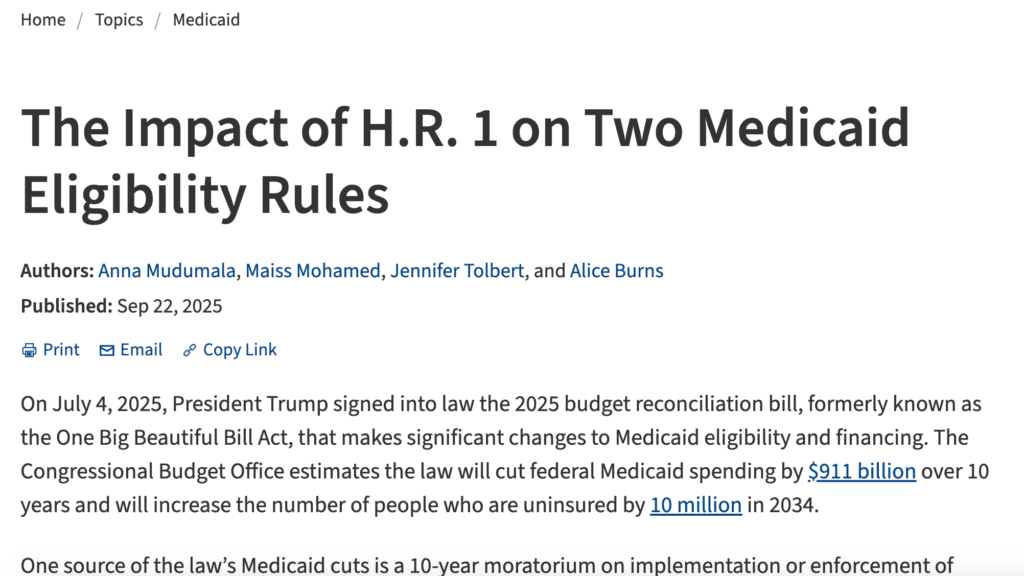
This issue brief examines how H.R. 1’s enactment delays implementation of two key Medicaid eligibility rules—one for Medicare Savings Programs (MSPs) and one for general Medicaid/CHIP enrollment and renewal—and the effects of that delay.
A national survey of low-wage workers showing that administrative burdens in SNAP and Medicaid are common and strongly linked to food hardship, healthcare hardship, and chronic illness.
A practical toolkit that helps human services agencies coordinate programs and benefits to better support whole families through aligned policies, processes, and service delivery.
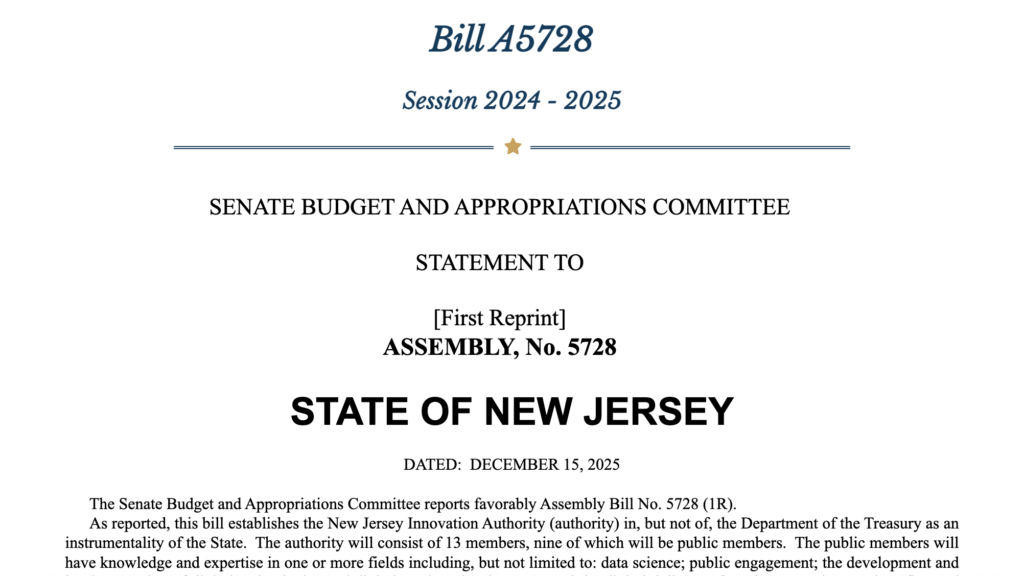
A New Jersey legislative bill establishing the New Jersey Innovation Authority to institutionalize digital modernization, service design, and technology innovation across state government.
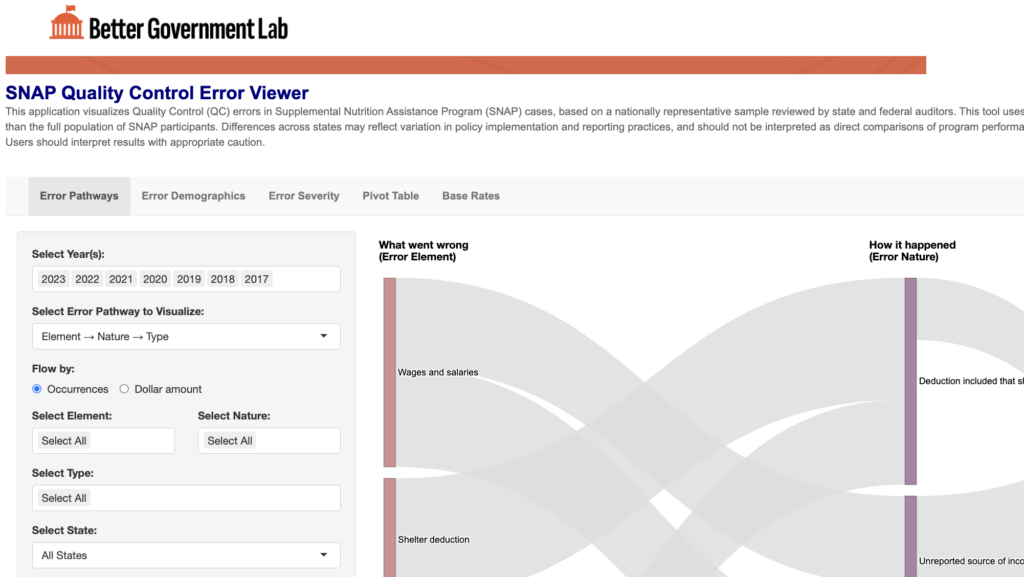
An interactive dashboard that allows users to explore Supplemental Nutrition Assistance Program (SNAP) Quality Control data to better understand payment errors, eligibility issues, and administrative performance across states.