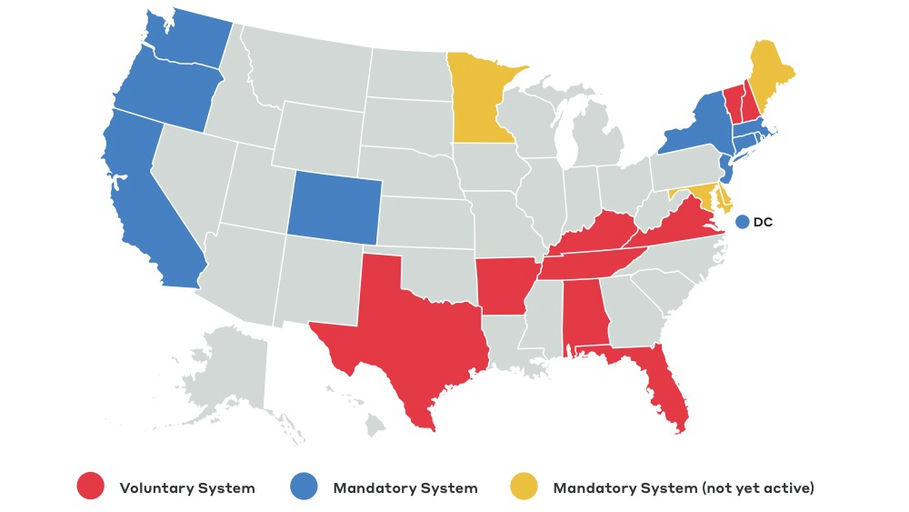
While millions of workers have gained access to PFML, the lack of uniformity in mandatory PFML programs created a growing patchwork of state laws, differing on nearly 30 policy components across four key areas: substantive benefits, financing, eligibility, and administrative requirements.
This article examines the concept of "viral cash" and suggests that the future growth of basic income programs will depend on advocacy networks rather than traditional policy diffusion across jurisdictions.
This Urban Institute report highlights how immigrant and mixed-status families continued to avoid safety net programs in 2023 due to lingering fears around the public charge rule.
This study explores the causal impacts of income on a rich array of employment outcomes, leveraging an experiment in which 1,000 low-income individuals were randomized into receiving $1,000 per month unconditionally for three years, with a control group of 2,000 participants receiving $50/month.
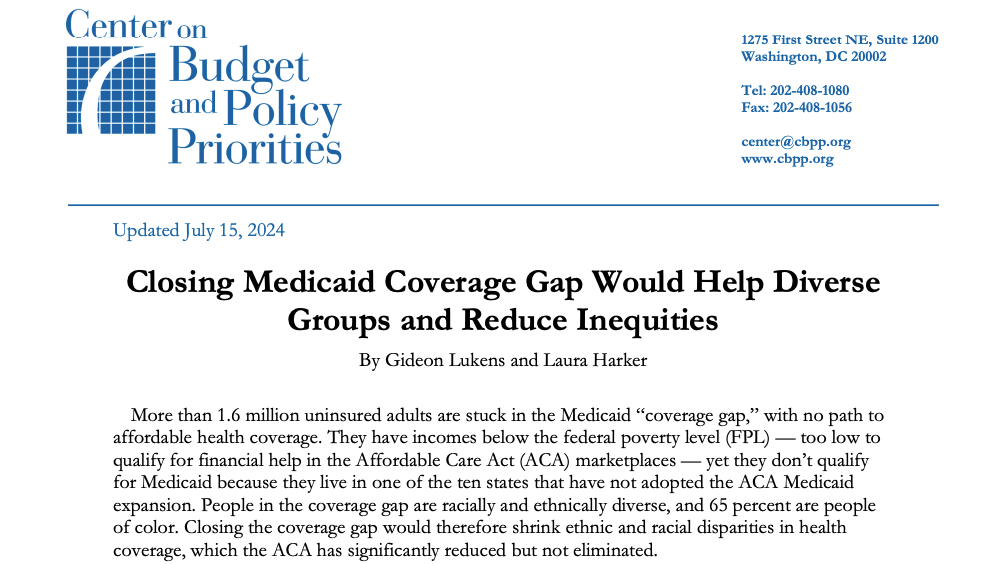
Closing the Medicaid coverage gap could significantly reduce healthcare disparities as 65% of those affected are people of color, specifically impacting low-wage workers and caregivers who often experience economic and health vulnerabilities.
The 2022 Dobbs v. Jackson decision overturned Roe v. Wade, leading 21 states to ban or heavily restrict abortion, exacerbating economic and health challenges for women denied care while these states also often lack supportive policies like paid leave, fair wages, and accessible public benefits for growing families.
While much has been written on digital government as a general trend, this working paper instead examines how civic tech is changing American government, focusing on an influential constellation of actors who shape the understanding and implementation of technological opportunities.
The article analyzes the impacts of Arkansas's Medicaid work requirements, finding that while coverage losses were reversed after the policy was halted, it did not improve employment and led to negative consequences such as increased medical debt and delayed care.