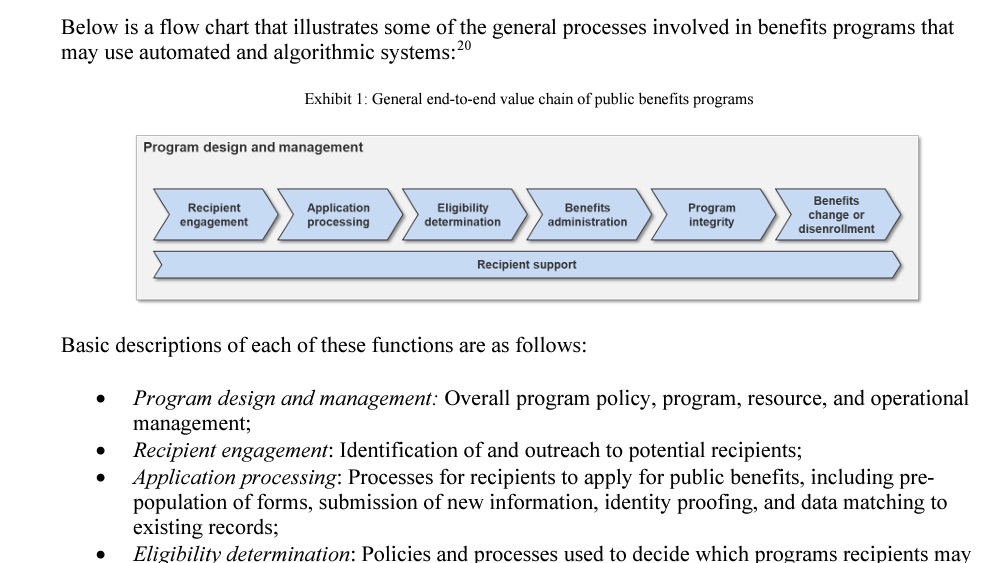
This plan promotes responsible AI use in public benefits administration by state, local, tribal, and territorial governments, aiming to enhance program effectiveness and efficiency while meeting recipient needs.
U.S. Department of Health and Human Services (HHS)
This handbook provides local governments with practical guidelines, best practices, and ethical considerations for adopting and using AI tools, emphasizing transparency, human oversight, and risk management.
The AI RMF Playbook offers organizations detailed, voluntary guidance for implementing the NIST AI Risk Management Framework to map, measure, manage, and govern AI risks effectively.
National Institute of Standards and Technology (NIST)
This framework provides practical guidance, detailed reference designs, and example solutions to help organizations securely adopt and operationalize Zero Trust principles across diverse IT environments.
National Institute of Standards and Technology (NIST)
A guide from the General Service Administration to help government decision makers clearly see what AI means for their agencies and how to invest and build AI capabilities.
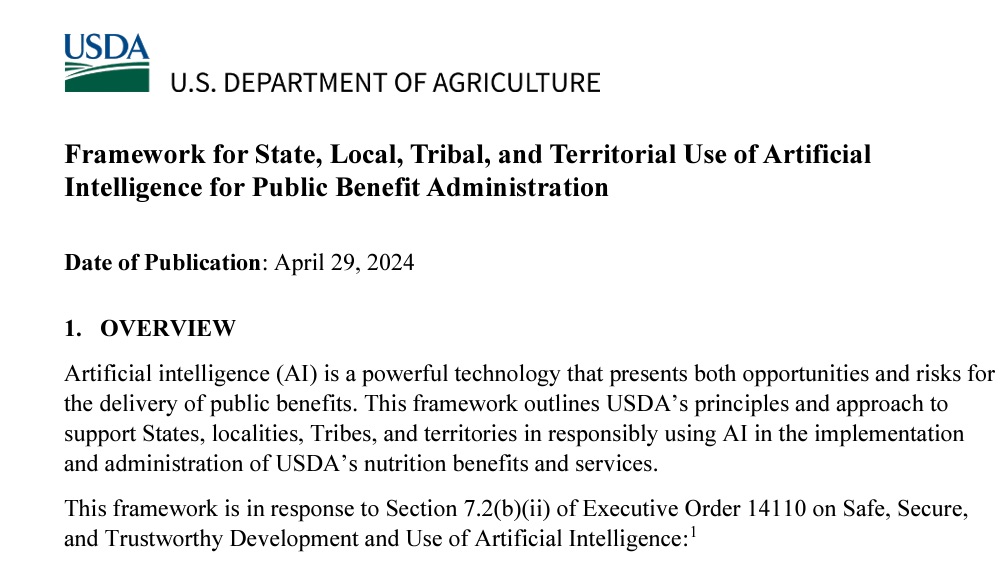
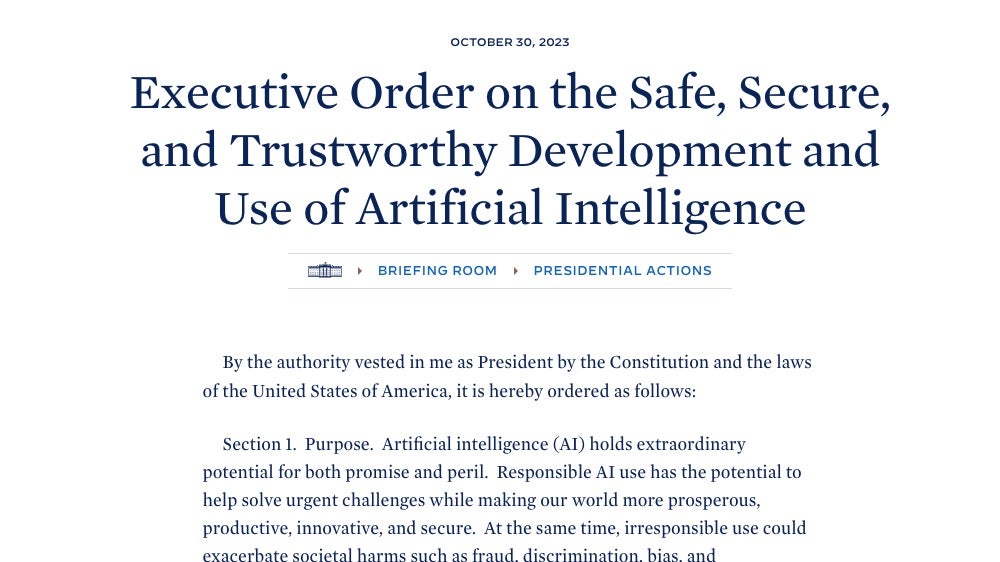
This framework outlines USDA’s principles and approach to support States, localities, Tribes, and territories in responsibly using AI in the implementation and administration of USDA’s nutrition benefits and services. This framework is in response to Section 7.2(b)(ii) of Executive Order 14110 on Safe, Secure, and Trustworthy Development and Use of Artificial Intelligence.
These principles and best practices for AI developers and employers to center the well-being of workers in the development and deployment of AI in the workplace and to value workers as the essential resources they are.
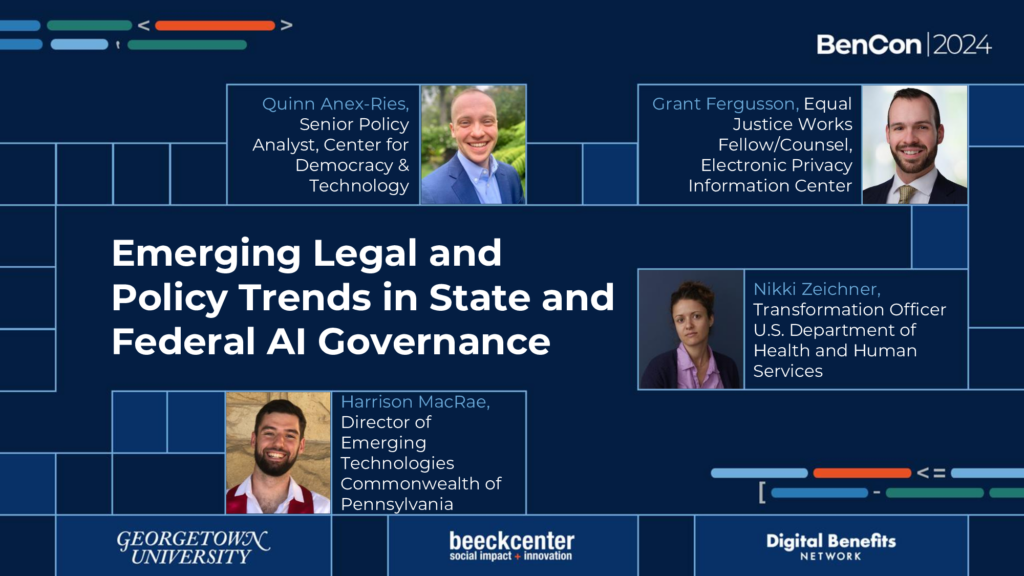
BenCon 2024 explored state and federal AI governance, highlighting the rapid increase in AI-related legislation and executive orders. Panelists emphasized the importance of experimentation, learning, and collaboration between government levels, teams, agencies, and external partners.
This article explores how AI and Rules as Code are turning law into automated systems, including how governance focused on transparency, explainability, and risk management can ensure these digital legal frameworks stay reliable and fair.
The "Public Sector AI Playbook" provides public sector officers with practical guidance on adopting and implementing AI technologies to improve government operations, service delivery, and policymaking.