This report outlines strategies states can adopt to improve access to SNAP, Medicaid, and WIC programs by leveraging policy options, data coordination, and streamlined service delivery.
This field guide provides research-based design principles for creating clear, usable forms that help voters accurately complete election-related paperwork and successfully take action.
Blog post authored by U.S. Digital Response discussing best practices for creating inclusive, accessible, and affirming government services for LGBTQ+ populations gleaned from their recent work in the City of Boston.
This presentation from Steph White, Cross Enrollment Coordinator at the Michigan Department of Health and Human Services offers an in-depth example on implementing cross enrollment with WIC and general tools for cross enrollment.
This article explores how anticipatory logics—drawing from foresight, futures thinking, and design—are shaping the future of government by creating space for innovative policy approaches, public participation, and proactive governance.
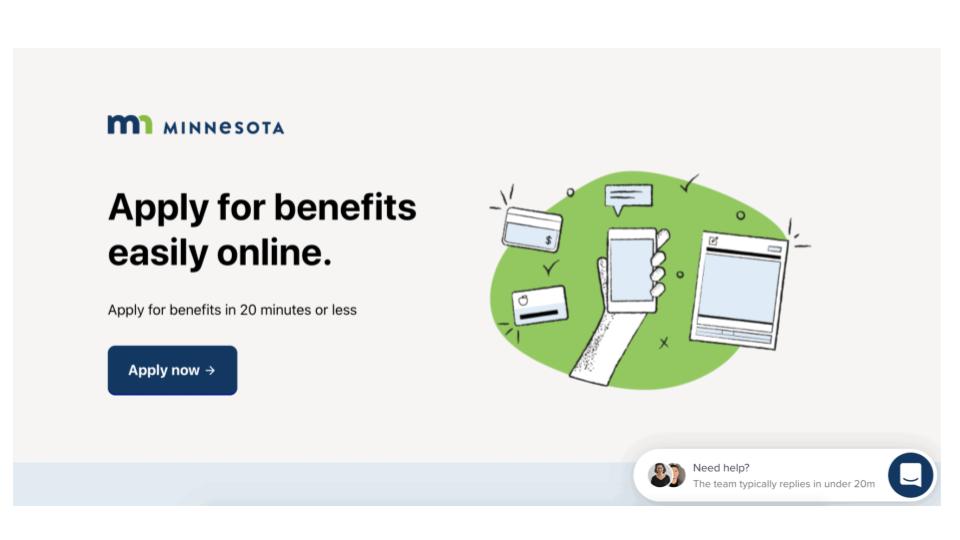
Minnesota is a good example of an organization that started small in its drive to integrate benefits programs. For instance, its recent statewide rollout of its online integrated benefit application website, MNbenefits.mn.gov, started as a pilot in 2020 with Code for America. The pilot encompassed two counties including Hennepin County, where Minneapolis is located. The pilot later expanded to four counties, then 16 and a tribal nation. The final roll out, which took 12 months to implement, included the state’s 87 counties and three tribal nations.
This report describes how the government can use widespread social media feedback and begin to build long-term measures to center people’s experience as an important component of policy design
This update highlights progress in improving federal customer experience (CX) following Executive Order 14058, showcasing service enhancements across agencies.
Well-designed, user-focused tools that allow for simple application are key to ensuring that families most in need receive the Child Tax Credit. Reaching these households will require a robust effort from the IRS to create user-friendly tools in partnership with organizations with a direct connection to eligible recipients.