This Code for America article discusses how tax filing can be a powerful tool for economic justice, highlighting efforts to make the tax system more accessible and equitable for low-income individuals.
Applicants to federal aid programs face numerous barriers in accessing benefits they are eligible for. The Centers for Medicaid and Medicare conducted an extensive qualitative user research study to better understand applicant experience in enrolling in public assistance programs. Based on the results, the study emphasizes the need for simplified, streamlined and less burdensome application processes.
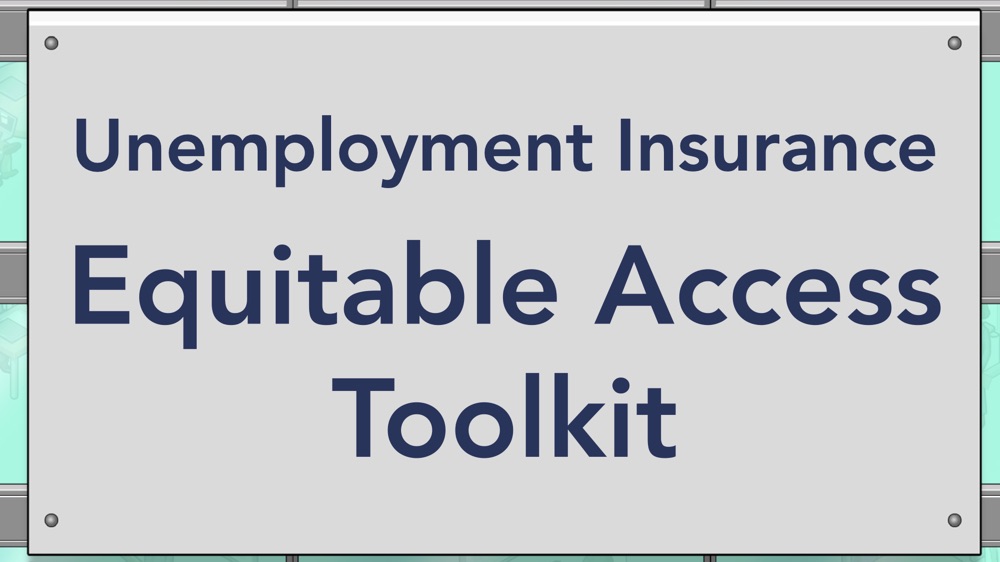
The Unemployment Insurance Equitable Access Toolkit contains common equity recommendations, promising practices, and insights, represented visually as a different floor of an agency office building, compiled in one interactive document.
This guide highlights approachable ideas for state and local public benefits agencies to improve applications, renewals, and correspondence. As outlined in this resource, even small improvements can be transformative for residents and caseworkers alike.
Washington Technology Solutions (WaTech) launched a three-year (2024-2026) strategic plan centered around three key goals: optimize service delivery for customers, cultivate an flexible and innovative workplace, and establish WaTech's role as a statewide technology leader.
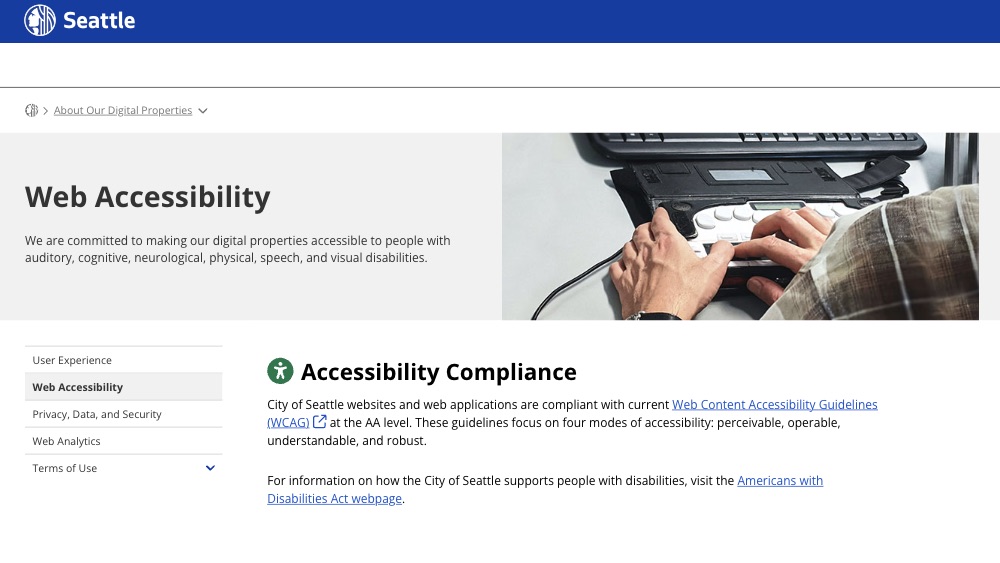
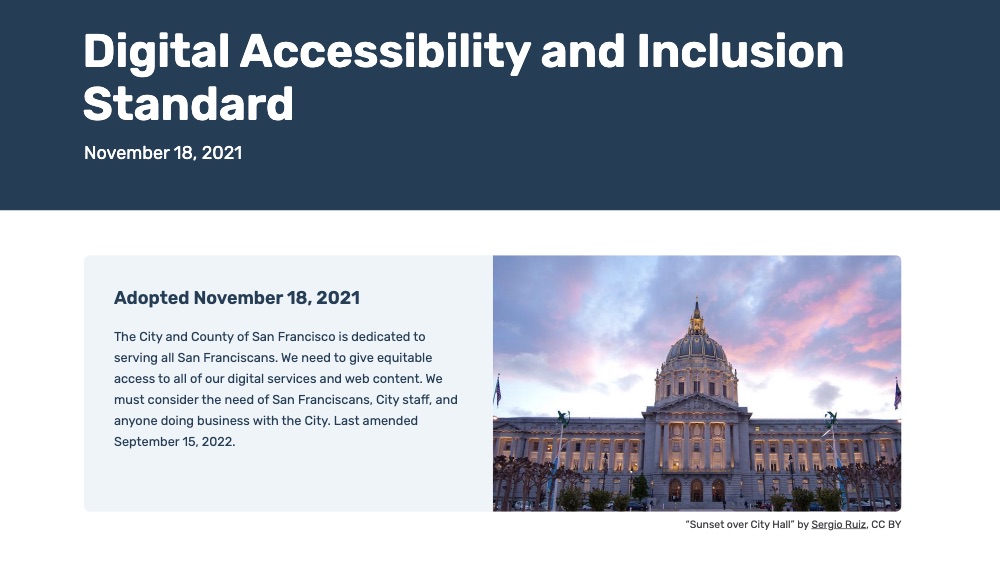
City and County of San Francisco's Digital Accessibility and Inclusion Standard which ensures equitable access to all of digital services and web content for San Franciscans.