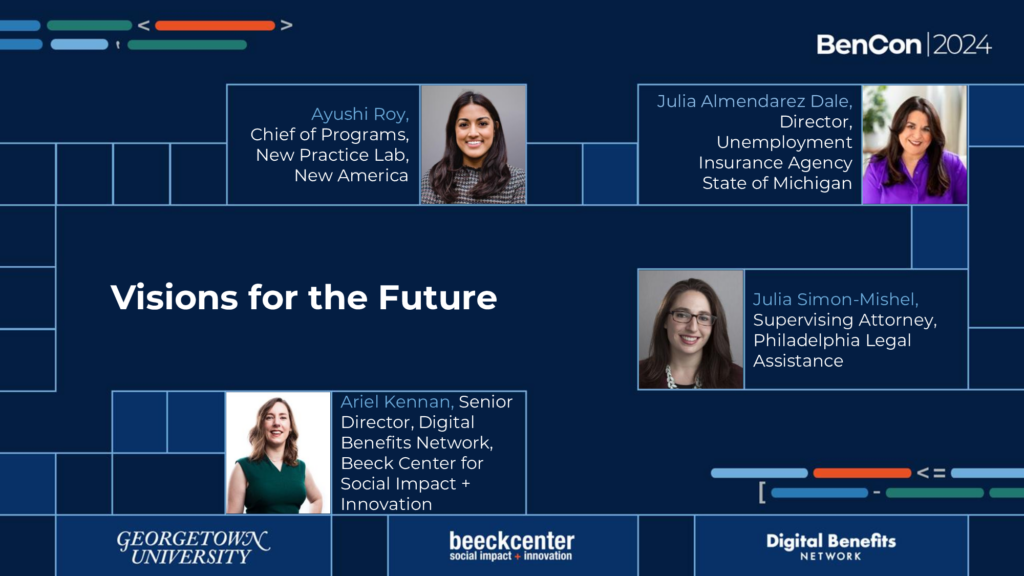
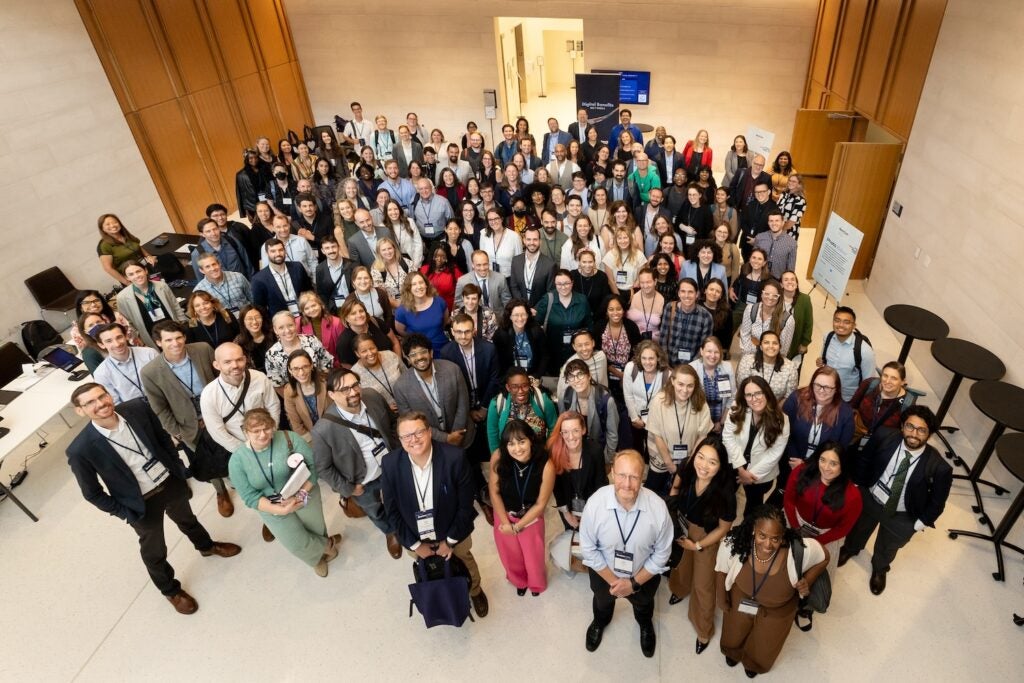
A recap of the two-day conference focused on charting the course to excellence in digital benefits delivery hosted at Georgetown University and online.
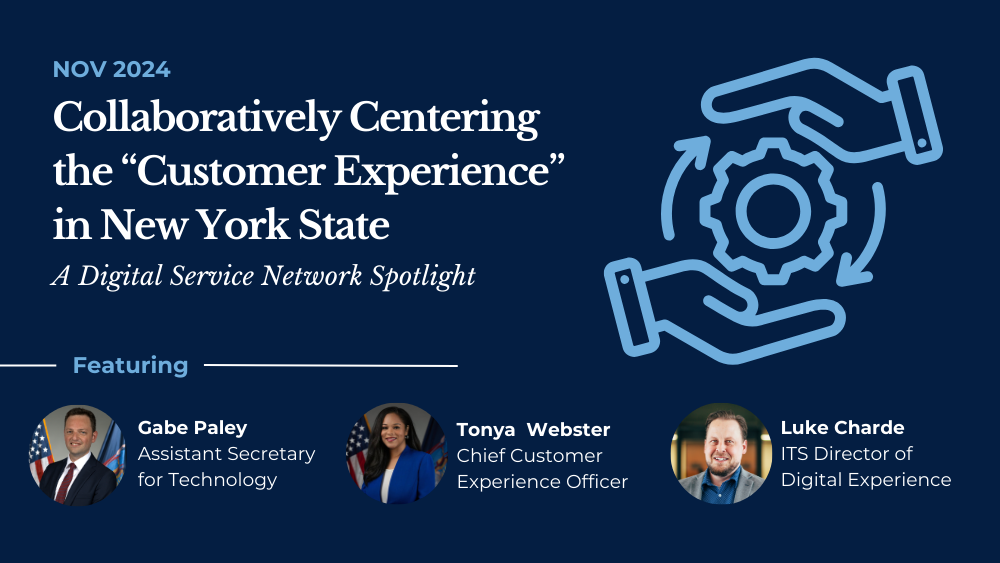
The Digital Service Network (DSN) spoke with three staff members from the New York State Executive Chamber—Gabe Paley, Tonya Webster, and, Luke Charde to learn more about the state's efforts to improve residents’ experiences accessing government programs.
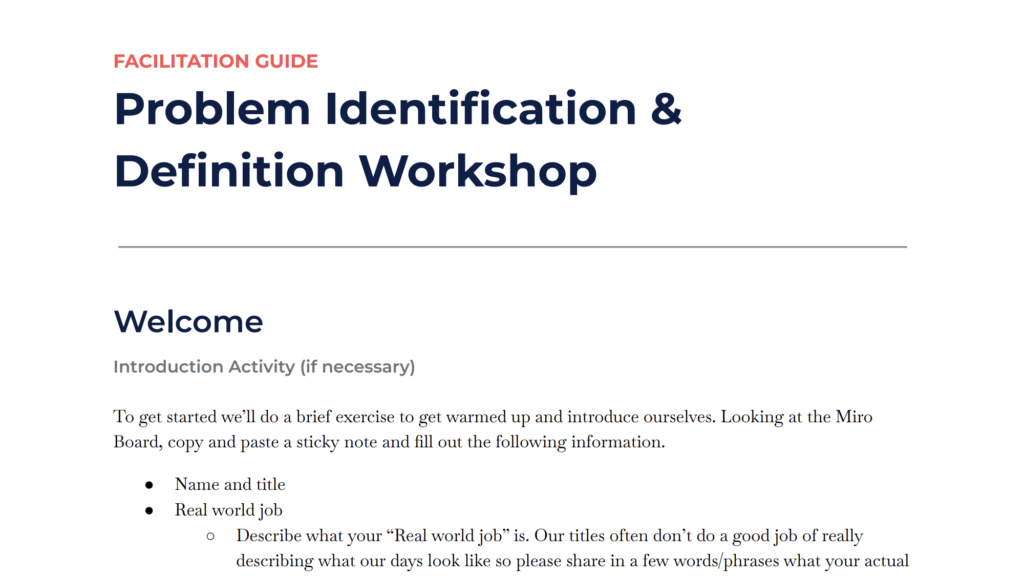
This workshop guide offers teams an opportunity to jointly work toward understanding core problems impacting digital delivery in their organization. The guide is structured in two parts: (1) a Miro template and (2) a Facilitation Guide.
A profile on FormFest speakers Tait Chamberlain and Sean Cassidy, featuring stories about their motivations for working on public sector form innovation.
A profile on FormFest speakers Paul Pistorius and Julian Rosner, featuring stories about their motivations for working on public sector form innovation.
The paper hopes to stimulate discussions towards an ethical protocol for better practice in BI experiments and provide a useful resource to those working on, or interested in, BI research.
The New York Experience – or “NYX” – aims to transform the customer experience across New York State agencies making our government work better for our people.
This session from FormFest 2024 focused on human centered form improvements from the City of Reykjavik and the German Digital Service’s form simplification project.
This session from FormFest 2024 focused on improving service delivery by hearing about work in multiple cities to rapidly digitize service delivery and work by the Department of Veteran Affairs around implementing service design principles in form revisions.
The story of Andrew Petrisin and the FLOW system demonstrates how the U.S. DOT successfully overcame barriers in government tech by building a collaborative, user-centered logistics platform that provided value to stakeholders during the 2021 supply chain crisis.