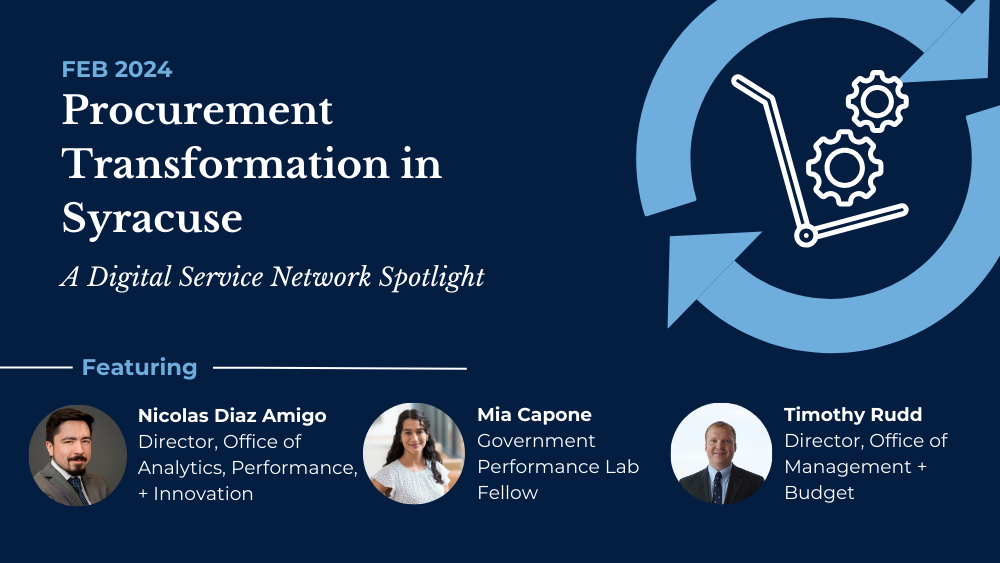
The Digital Service Network (DSN) spoke with API Director Nicolas Diaz Amigo, GPL Fellow Mia Capone, and OMB Director Timothy Rudd to learn more about the City of Syracuse's multi-year procurement transformation initiative.
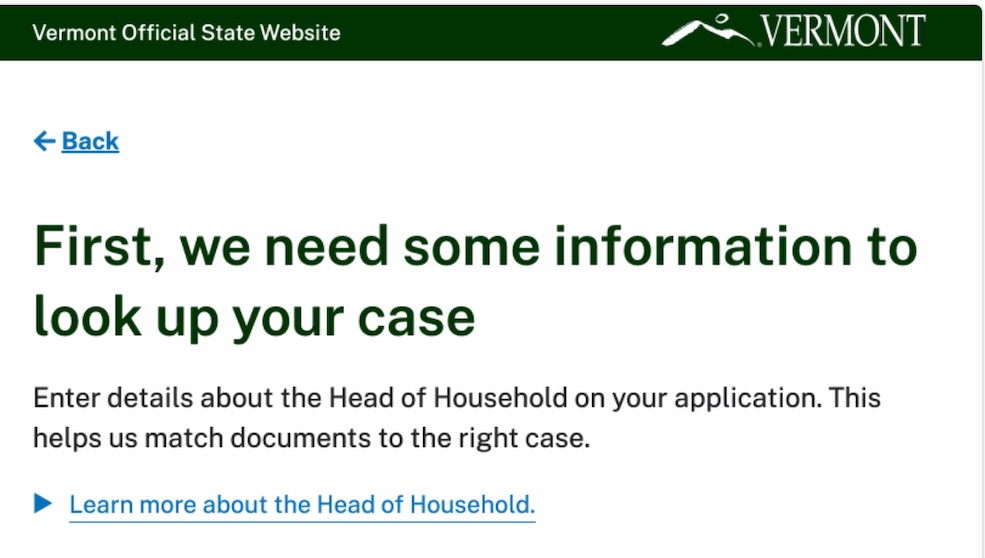
Nava built flexible and reusable software and design components to make it easier for Vermonters to access their benefits. These components support Vermont’s long-term vision of integrating eligibility and enrollment processes for all of the state’s healthcare and financial benefit programs.
This interview template includes questions designed to help teams conduct exploratory, semi-structured interviews with government stakeholders involved in program delivery to gather information that can help them evaluate the status quo of digital delivery in their organization.
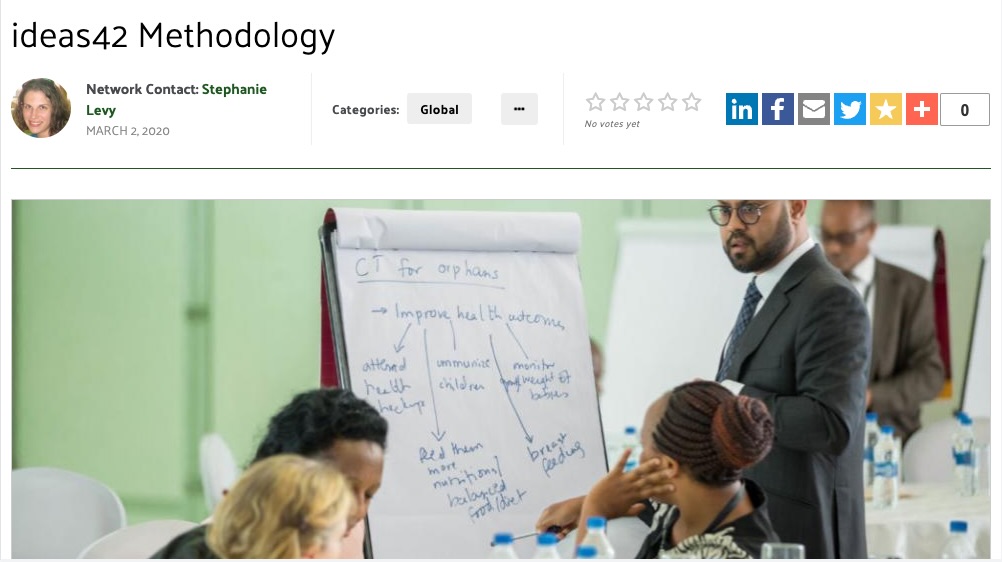
This article introduces ideas42, a non-profit behavioral research and design firm applying insights from behavioral sciences, including behavioral economics (BE), social psychology, and other disciplines, for social good. Their behavioral design methodology is human-centered, but it incorporates scientific insights and iterative testing, applying observations about how people choose and act from experimental academic research to inform qualitative research.
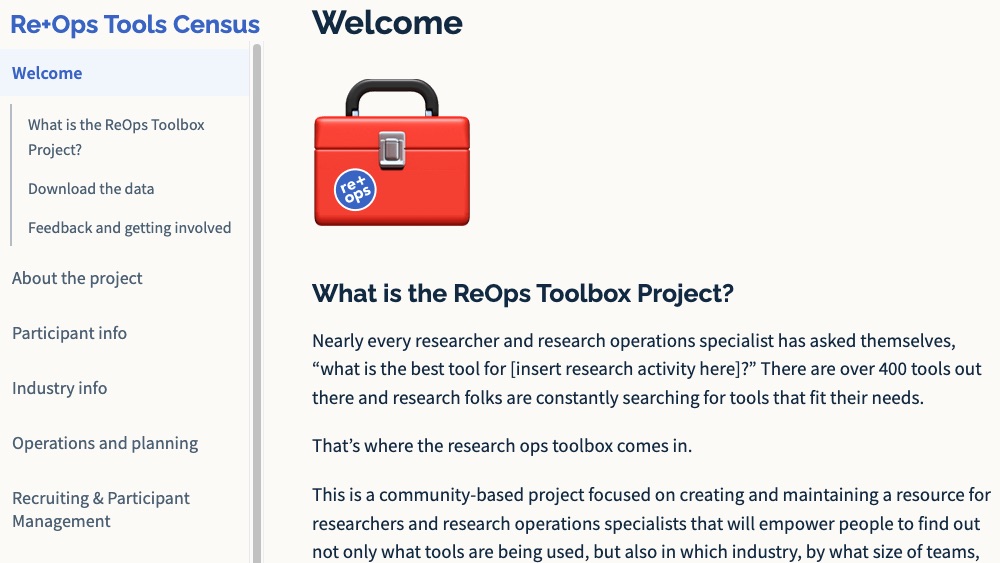
This is a community-based project focused on creating and maintaining a resource for researchers and research operations specialists that will empower people to find out not only what tools are being used, but also in which industry, by what size of teams, and where in the world.
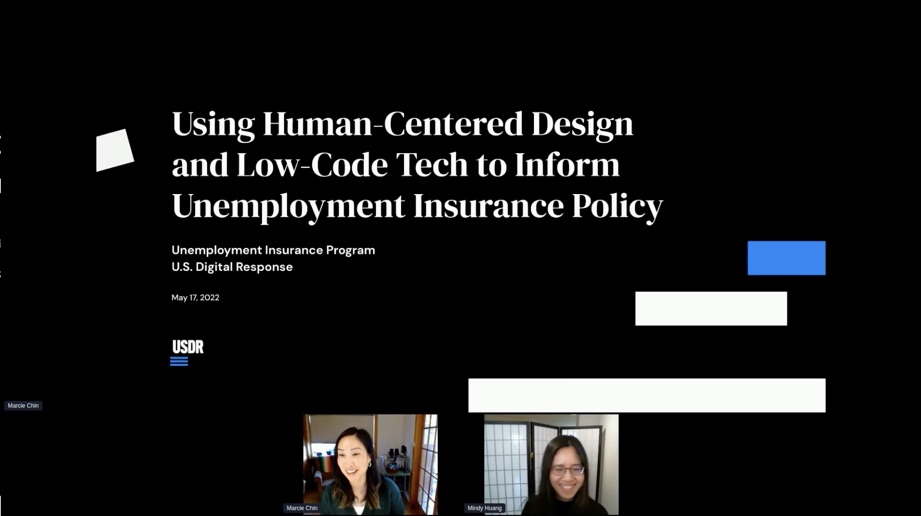
U.S. Digital Response partnered with the Department of Labor to design a human-centered, low-code solution for efficient retroactive unemployment benefit determination.
The examples in this guide describe how peer-to-peer training and updated interview scripts can help connect residents to the benefits they are eligible for.
Article announcing five new projects by the Office of Management and Budget that will improve experiences the public has with the government during significant movements in their lives. These “life experience” projects are at the center of a new model for how the Federal Government should better design and deliver benefits, services, and programs to the American people during the moments in their lives that matter most.
Applying UX research methods, the City of San Jose worked to improve how low-income and non-English speaking residents engaged with My San Jose, a website and mobile app for residents to report neighborhood issues to cities. They used a Spanish and Vietnamese translator to conduct interviews with target users, then detailed major findings and corresponding recommendations in this report.
In this brief, APHSA outlines its commitment to addressing the causes of structural inequities by first illuminating structural root causes of race inequity within the context of human services. The brief outlines approaches to doing the intentional and systematic work that is required to counteract the structural barriers human services systems have fostered.
American Public Human Services Association (APHSA)