A statewide report outlining the roadmap, governance framework, and implementation plan for responsible generative AI adoption across Washington State government.
A report that defines what effective “human oversight” of AI looks like in public benefits delivery and offers practical guidance for ensuring accountability, equity, and trust in algorithmic systems.
Guidance on how state agencies should identify, assess, and manage risks associated with deploying high-risk generative AI systems under Executive Order 24-01.
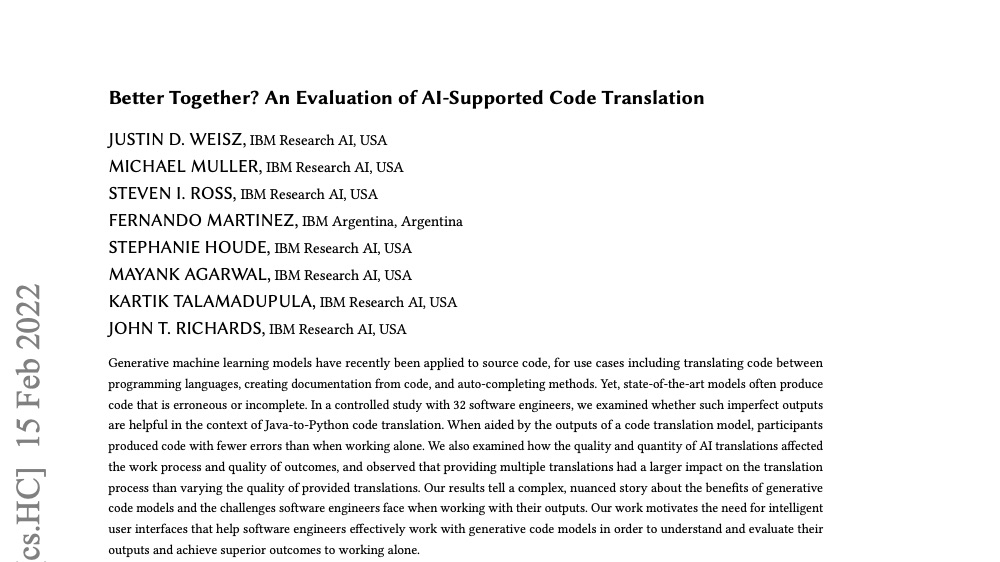
This research explores how software engineers are able to work with generative machine learning models. The results explore the benefits of generative code models and the challenges software engineers face when working with their outputs. The authors also argue for the need for intelligent user interfaces that help software engineers effectively work with generative code models.
Concerns over risks from generative artificial intelligence systems have increased significantly over the past year, driven in large part by the advent of increasingly capable large language models. But, how do AI developers attempt to control the outputs of these models? This primer outlines four commonly used techniques and explains why this objective is so challenging.
Center for Security and Emerging Technology (CSET)
The State of California government published guidelines for the safe and effective use of Generative Artificial (GenAI) within state agencies, in accordance with Governor Newsom's Executive Order N-12-23 on Generative Artificial Intelligence.
A publicly-available suite of policy templates and knowledge-sharing tools offered by the GovAI Coalition (via the City of San José) to help public agencies launch or refine responsible AI governance programs.
A practical, plain-language guide offering public-sector procurement and technology teams actionable tools and best practices for procuring AI responsibly and effectively.
This product validation summary deck explores federal opportunities to automate cross-program enrollment proofs and reduce manual verification burdens.
This comprehensive research report evaluates the structural progress, disparities, and operational barriers surrounding artificial intelligence adoption within the United States federal government.