An event recap from one of FormFest 2024's breakout sessions featuring speakers from South Bend Indiana and others working on creating accessible legal forms.
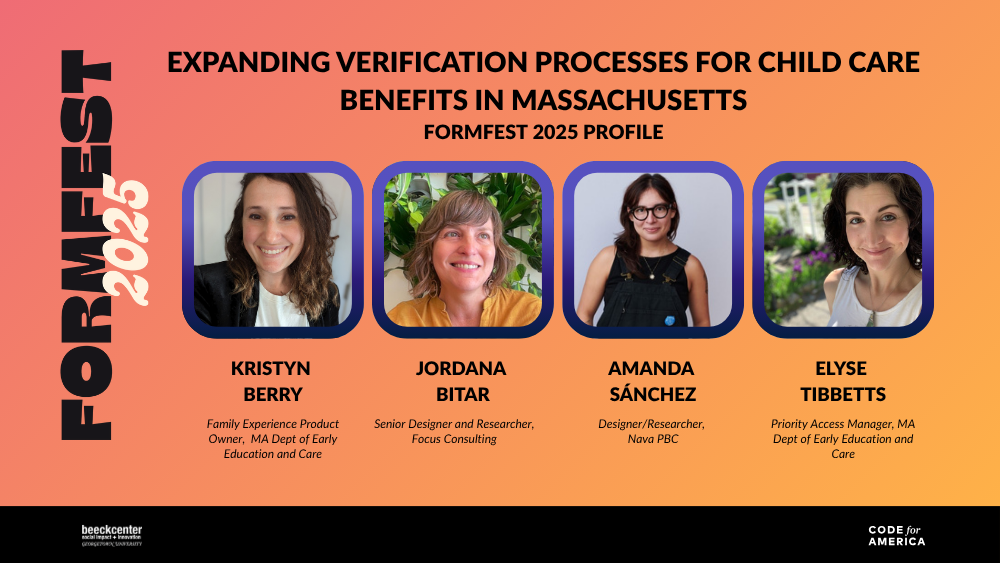
This FormFest profile examines how Massachusetts’ Department of Early Education and Care is modernizing its child care benefits system through human-centered design, making verification and application processes simpler, more compassionate, and more efficient for families and staff.
This blog summarizes a FormFest session where the Center for Civic Design shared research on how screen reader users navigate voter registration forms and offered guidance for designing more accessible digital and PDF forms.
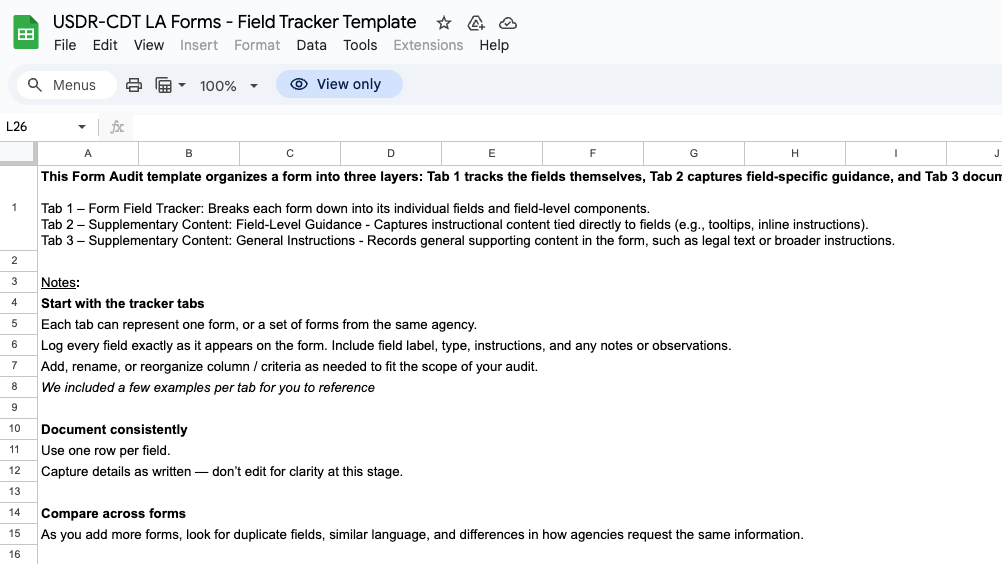
A structured spreadsheet template designed to audit, compare, and standardize government forms by breaking them down into individual fields, guidance, and general instructions.
Explains that government service forms should be designed to reduce anxiety and build trust—especially for marginalized people—by minimizing requests for highly sensitive personal information or explaining clearly why and how such data will be used, making optional fields and alternatives available, and providing context and reassurance throughout the application process.
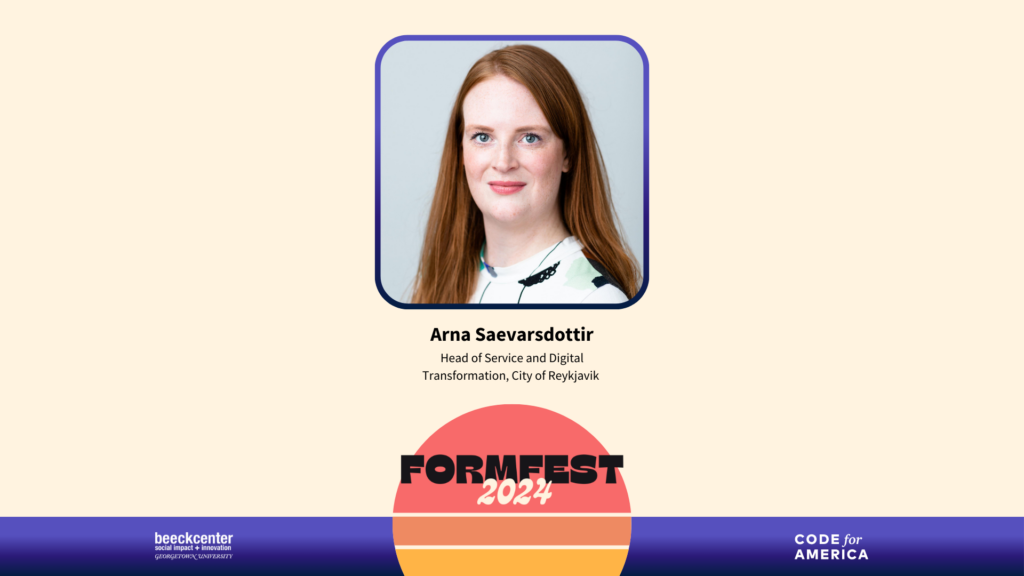
This session from FormFest 2024 focused on human centered form improvements from the City of Reykjavik and the German Digital Service’s form simplification project.
This session from FormFest 2024 walked attendees through some of the major changes AI is bringing to form design. Learn about the National Head Start Association’s use of AI to reduce administrative burden and the Canadian Digital Service’s tips for protecting government applications systems from AI.
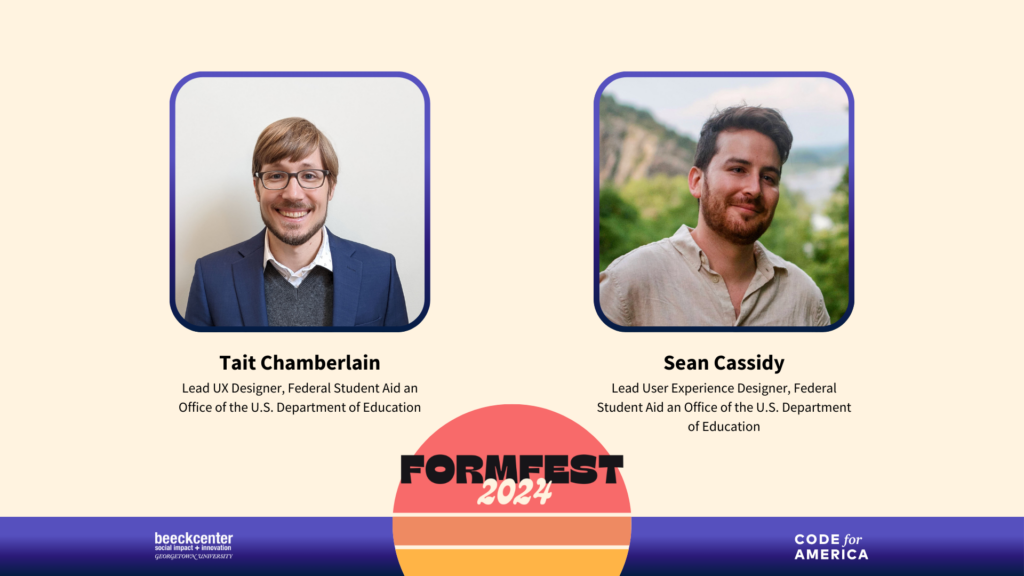
A profile on FormFest speakers Tait Chamberlain and Sean Cassidy, featuring stories about their motivations for working on public sector form innovation.