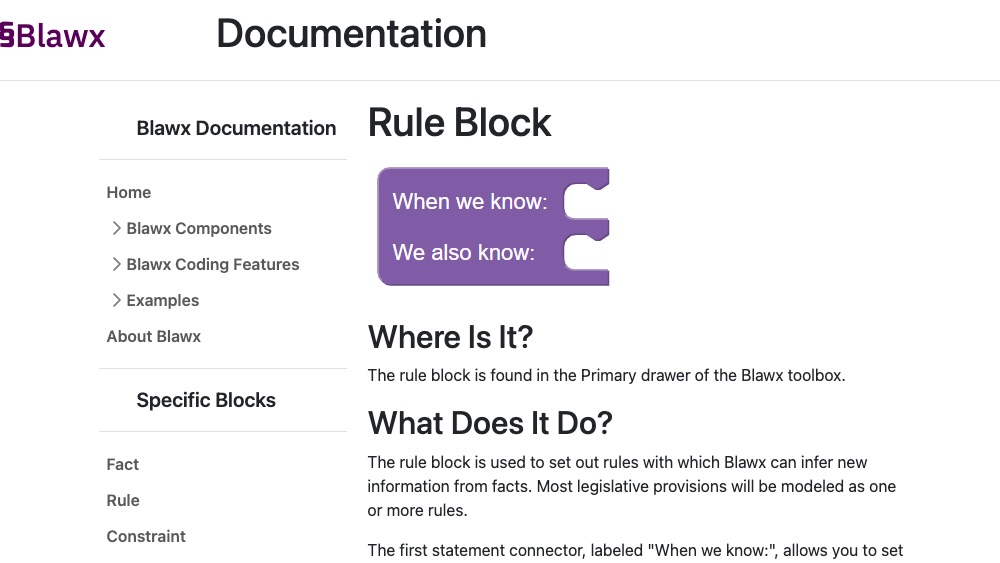
It is frequently assumed that when rules are implemented as code, a rules engine is necessary. However, it is possible for policy people and engineers to effectively work together to code logic that drives technological system without needing a mediating rules engine at all.
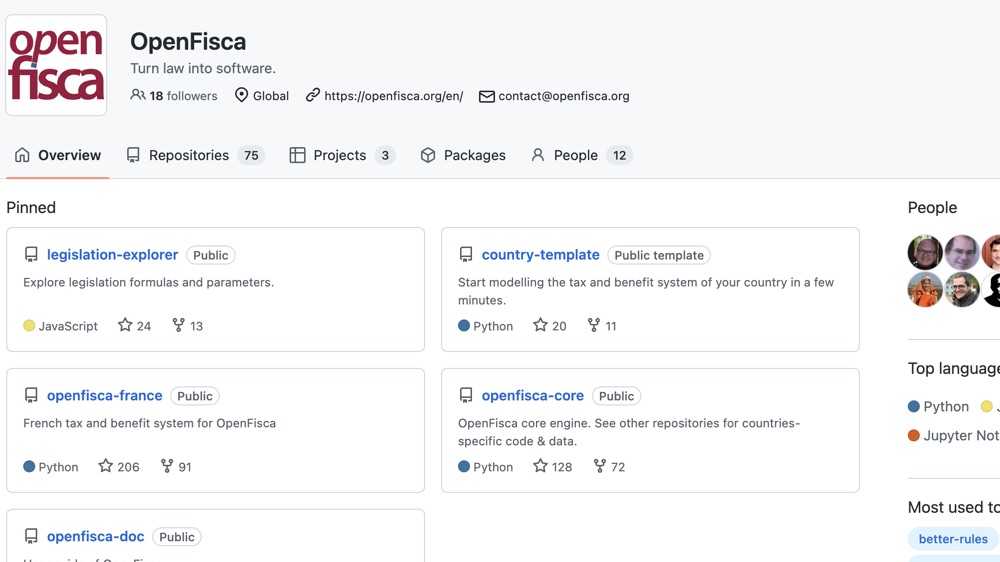
The first half of Rules as Code Demo Day was wrapped up with Thomas Guillet who has contributed to Open Fisca France and beta.gouv. He demoed the code for Mes Aides—or My Benefits—which is France’s social benefit simulator that leverages open source rule models for over 600 benefits while keeping the displayed complexity to its minimum.
Programs like Medicaid and SNAP are managed at the federal level, administered at the state level, and often executed at the local level. Because there are so many in-betweens, there is significant duplicated effort, demonstrating the need to simplify eligibility rules to facilitate easier implementation.
“Interoperability” refers to systems’ ability to interact with each other to share data so that a customer is connected with as many benefits as possible in an efficient way. The Affordable Care Act (ACA) was originally intended to be interoperable, but this has not occurred yet. Promoting interoperability in the ACA is imperative, as it would help alleviate food insecurity through automatic benefits enrollment.
Building on our February 2022 report Benefit Eligibility Rules as Code: Reducing the Gap Between Policy and Service Delivery for the Safety Net, the Beeck Center’s Digital Benefits Network (DBN) hosted Rules as Code Demo Day on June 28, 2022 where there were eight demonstrations of projects and code followed by a collaborative problem solving session on how to continue advancing rules as code for the U.S. social safety net.
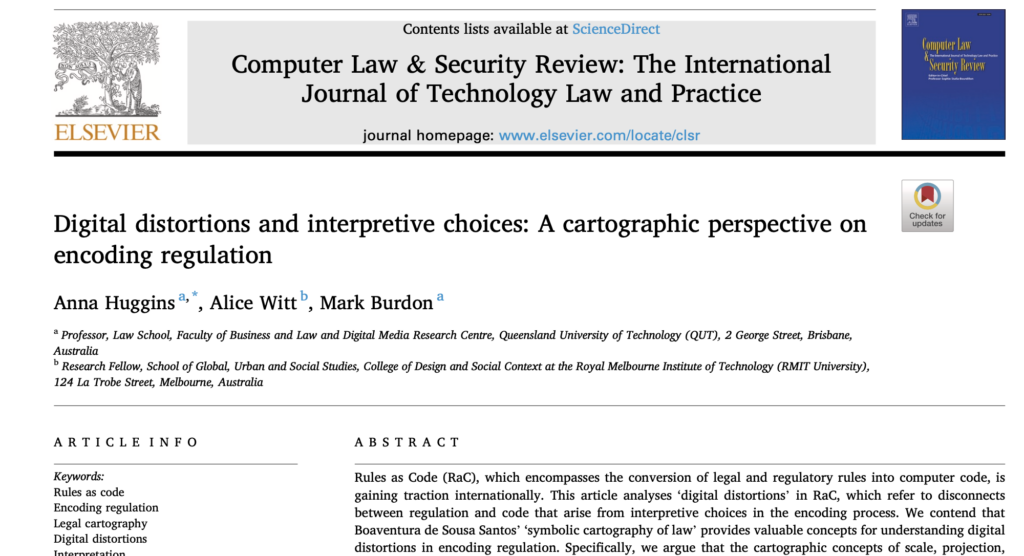
This article analyses ‘digital distortions’ in Rules as Code, which refer to disconnects between regulation and code that arise from interpretive choices in the encoding process.
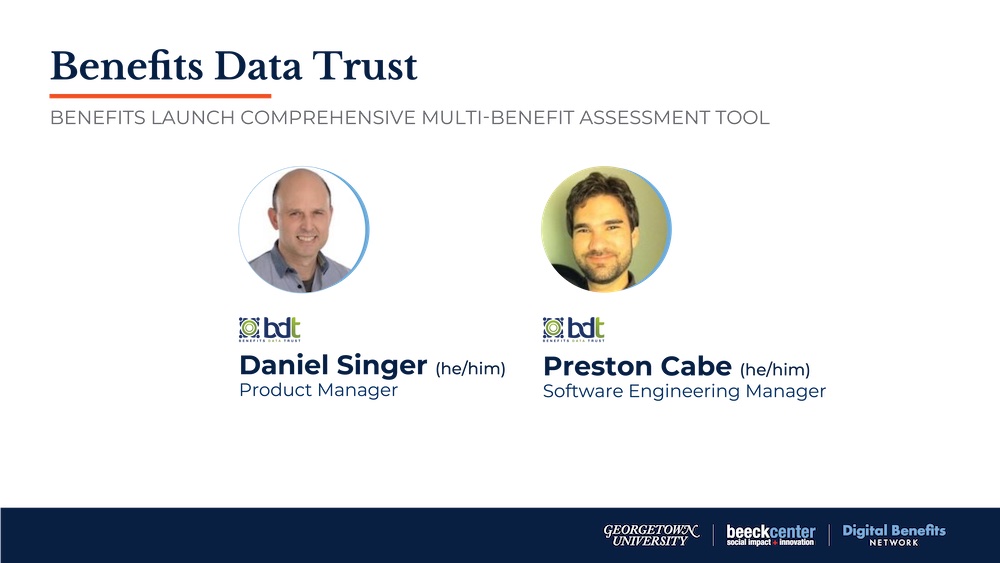
We continued Rules as Code Demo Day with Daniel Singer and Preston Cabe from Benefits Data Trust. Benefits Data Trust provides benefit outreach and application assistance services in seven states. Using Benefits Launch, their in-house interview and rules engine, they support two hundred contact center employees as they screen and apply thousands of clients each year. They also offer a self-service screener, Benefits Launch Express. Additionally, they offer an eligibility API to integrate with other services.
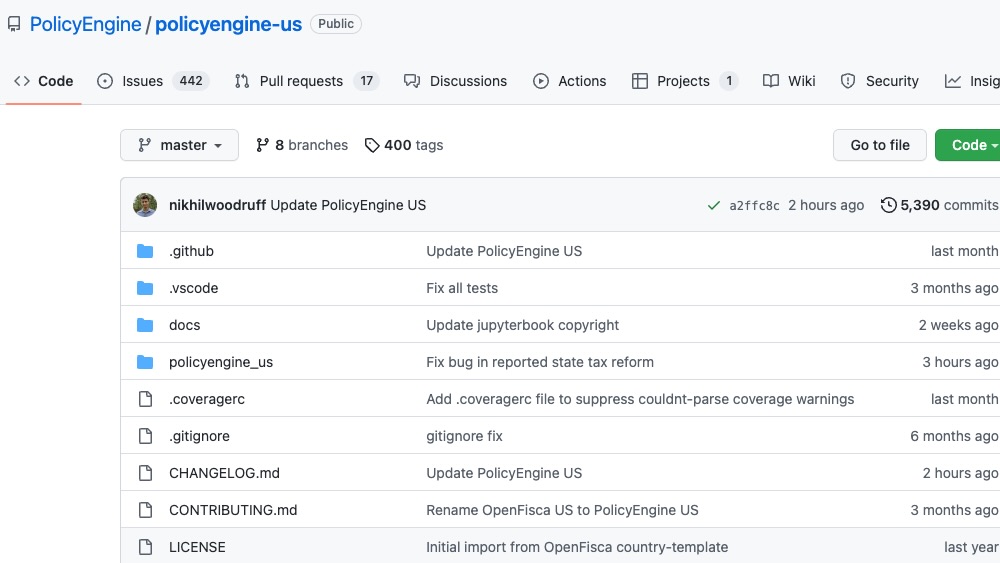
PolicyEngine US is a Python-based microsimulation model of the US tax and benefit system. It models federal individual income taxes (including credits), major benefit programs, and state income taxes (currently in six states). The PolicyEngine US package can be used as a Python package, via the PolicyEngine API, or via the policyengine.org web app.
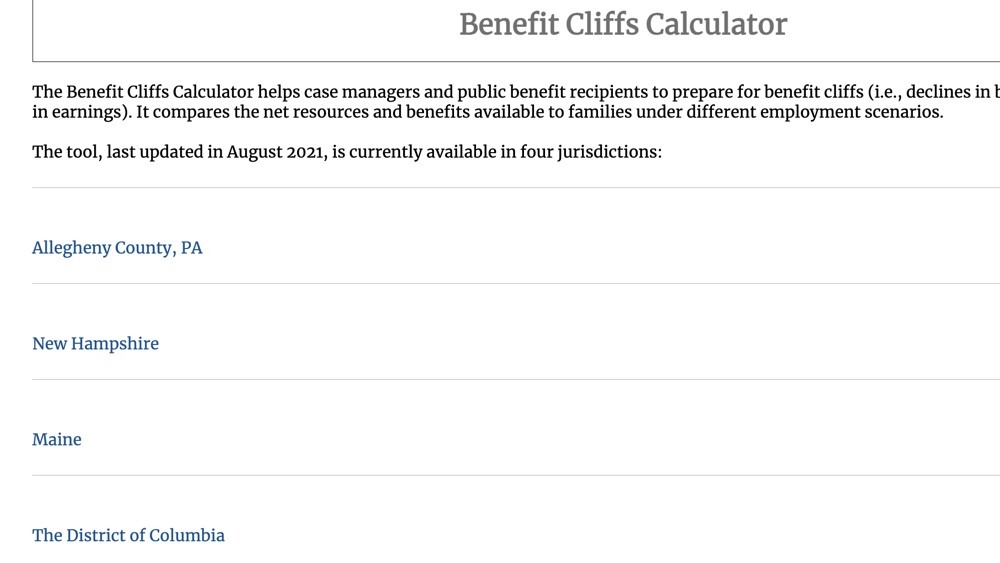
The Benefit Cliffs Calculator helps case managers and public benefit recipients to prepare for benefit cliffs (i.e., declines in benefits due to an increase in earnings). It compares the net resources and benefits available to families under different employment scenarios.
The NYC Benefits Screening API provides machine-readable calculations and criteria for benefits screening that power the ACCESS NYC screening questionnaire.