This resource outlines strategies for cross-enrollment outreach, which can break down silos between programs and reach applicants who may be eligible for under-enrolled benefits programs.
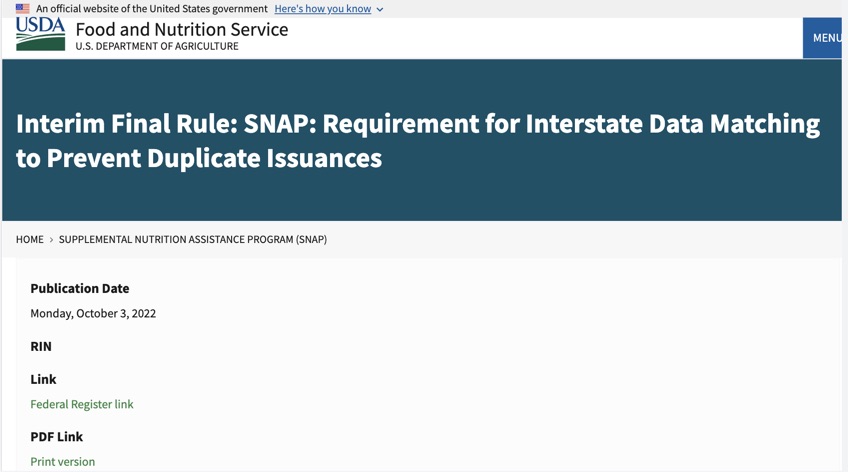
This interim final rule requires SNAP State agencies to provide information to the NAC regarding individuals receiving SNAP benefits in their states in order to ensure they are not already receiving benefits in another state.
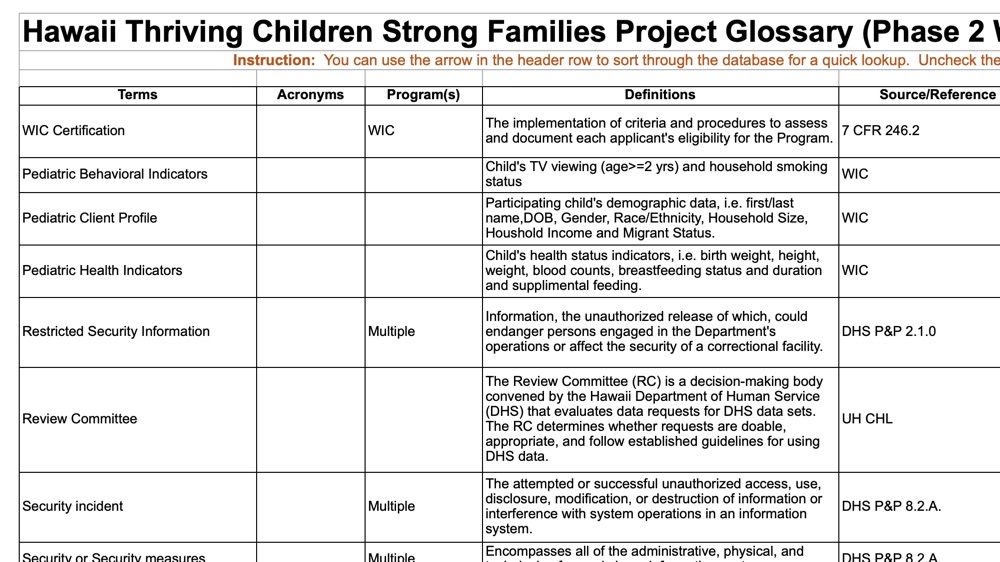
his document defines key terms, acronyms, and data elements used in Hawaii's SNAP and WIC data integration project to support cross-program collaboration and data standardization.
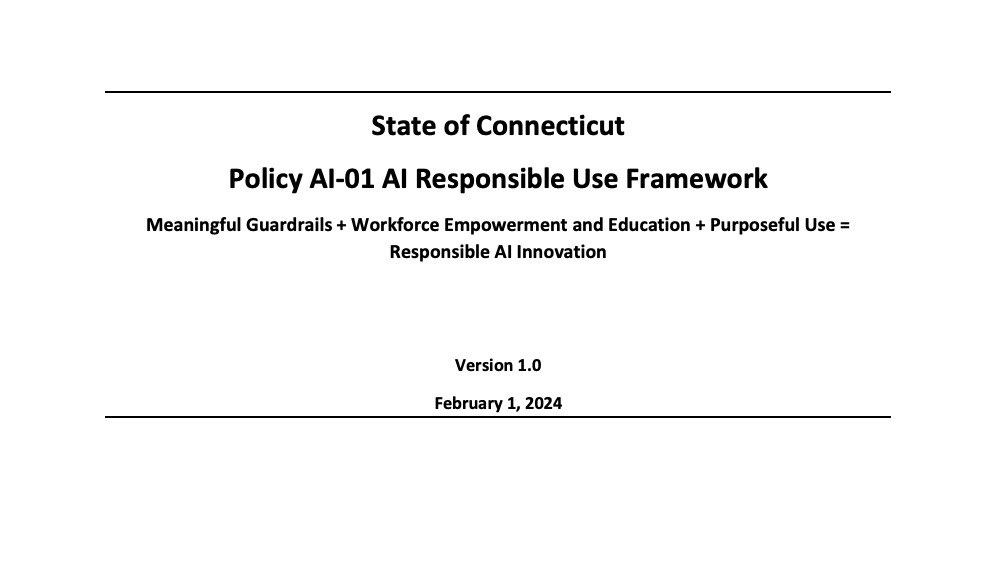
The State of Connecticut's policy on Artificial Intelligence (AI) Responsible Use establishes a comprehensive framework for the ethical utilization of artificial intelligence in the Connecticut state government.
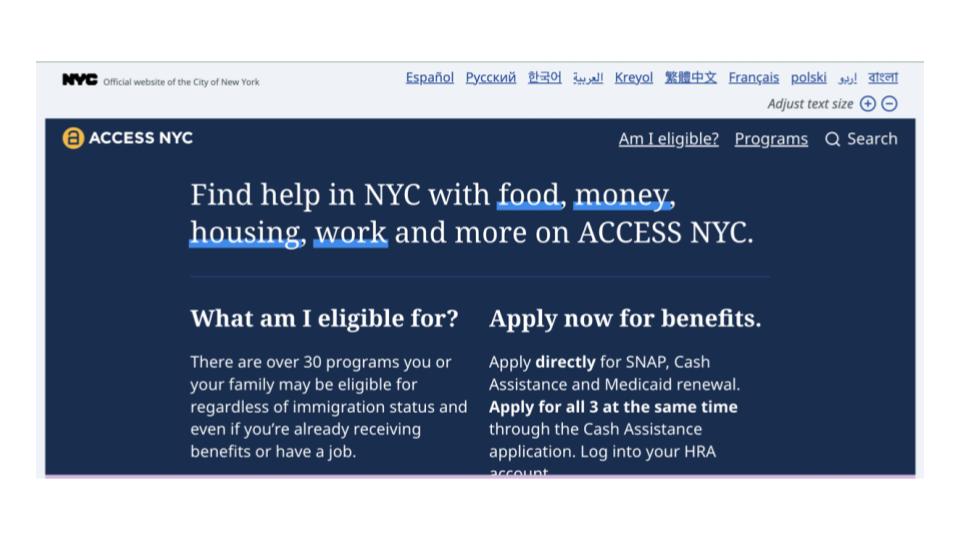
The NYC Mayor’s Office for Economic Opportunity (NYC Opportunity) developed the NYC Benefits Platform, including ACCESS NYC, to help residents easily discover and check eligibility for over 80 social programs.
This mainstage session from FormFest 2024 included conversations about form design, accessibility, user experience, and data collection to show how good forms can build trust and confidence in government.
This article details the collaboration between Miami-Dade County, community partners, and technologists to enhance climate resilience by allowing residents to report and access information on extreme heat conditions affecting their commutes.
This case study examines how Michigan’s Department of Health and Human Services uses data practices to advance racial equity in child welfare through identity-informed data collection and anonymous decision-making.
U.S. Department of Health and Human Services (HHS)