The State of Connecticut's policy on Artificial Intelligence (AI) Responsible Use establishes a comprehensive framework for the ethical utilization of artificial intelligence in the Connecticut state government.
The City of Boston's disability-aware standards for City resources and the collection of disability data from residents throughout government processes.
This technical brief uses predictive analytics to identify the primary drivers of SNAP payment error rates (PER) following the implementation of the One Big Beautiful Bill (OBBB).
This resource provides examples and practical guides that explain how to use existing regulations and data sharing agreements to transfer client information or eligibility status between benefit programs.
A 2023 playback from the city of London’s Office of Technology and Innovation of recent efforts to improve data and technology innovation across the city.
City of London Office of Technology and Innovation (LOTI)
This brief describes TDI’s efforts to transform federal TANF and employment data into an integrated resource for program management and evidence building.
This video, produced after the completion of the TDC Pilot, features staff members from the California, Colorado, Minnesota, and Virginia TANF agencies reflecting on their challenges, accomplishments, and general experiences during the pilot.
U.S. Department of Health and Human Services (HHS)
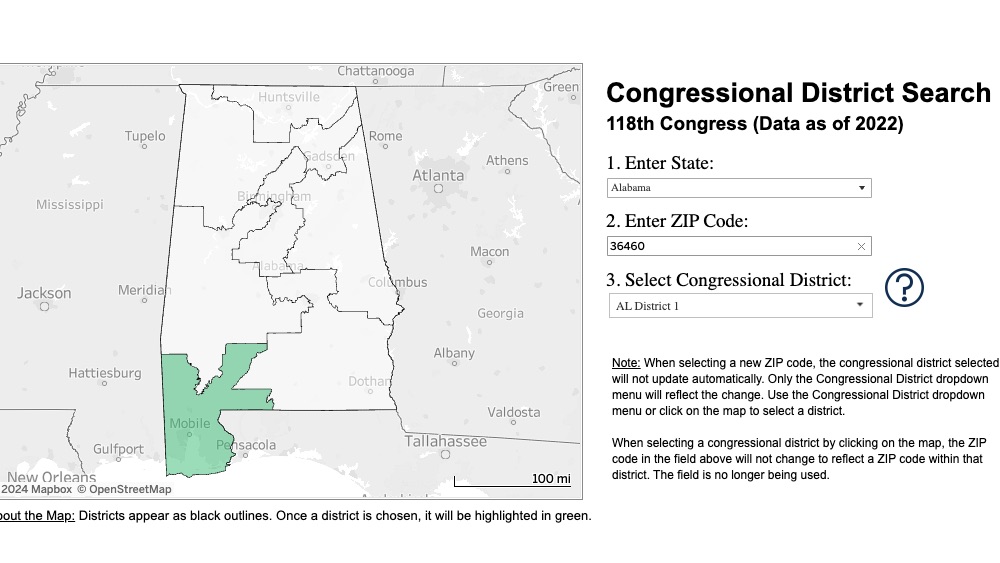
This interactive dashboard allows users to explore Supplemental Nutrition Assistance Program (SNAP) participation and household characteristics by U.S. congressional district using American Community Survey data.