The Digital Service Network (DSN) spoke with Daniel Soto, principal management analyst at the City of Santa Ana, to learn more about how digital service innovation can occur in government organizations without formally codified or centralized digital service teams.
The Digital Service Network (DSN) spoke with Boston’s new Chief People Officer, Alex Lawrence, to understand how the City is transforming its approach to people management.
An April 2024 Chief Digital Service Officers (CDSO) gathering included discussions about the realities of digital service leadership in government. These discussions are summarized in infographics offering valuable perspective to emerging digital service teams.
Michigan's UIA director, Julia Dale, is leading the agency through transition by prioritizing lived experience, hope, grit, and values. Virginia's SNAP Program Manager, Michele Thomas, highlighted the success of Sun Bucks, a summer EBT child nutrition program that fed over 700,000 kids in its first year.
This research study analyzes the structural and budgetary layout of eleven US-based Digital Service Teams (DSTs) at the municipal, county, and state levels. In doing so, it sets out to answer the research question: “How are digital service teams structured and funded?”
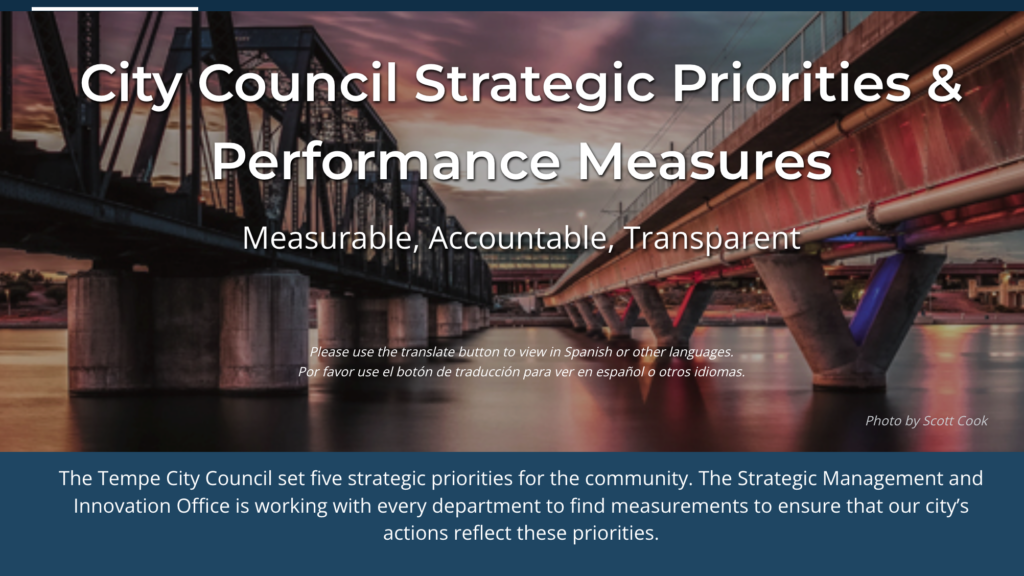
The Tempe City Council set five strategic priorities for the community. The Strategic Management and Innovation Office is working with every department to find measurements to ensure that our city’s actions reflect these priorities.
This resource appendix is a compilation of useful resources intended as a follow-on to the DSN’s writing on theories of change for digital transformation in government. Practitioners can use these resources to DIY their ToC after reading our essays.
The Digital Services Network (DSN) spoke with the director of OOI’s Business Experience Initiative, E.J. Kalafarski, the director of Business Experience for the State, Jessica Lax, and product manager, Joe DeLaTorre, to learn about Business.NJ.gov’s live chat feature.
The Digital Service Network (DSN) spoke with staff from ODX — Megan Evans Seeds, chief digital officer, and Lisa Yang, digital accessibility coordinator — to discuss their efforts to help center digital accessibility across Hennepin County government.
The Modern Government Leaders program brought together federal executive innovators to share best practices and drive service delivery and process modernization.