The first edition of this storytelling series explores the critical role of cognitive accessibility in digital government services through the personal experiences of a scholar and a mother navigating a complex bureaucracy.
Usability tests can help teams develop products that are user-centered, accessible, and inclusive. This guide will help you conduct a successful usability test, from coordinating with participants to analyzing your findings.
Drawing on the Beeck Center’s research on government, nonprofit, academic, and private sector organizations that are working to improve access to safety net benefits, this report highlights best practices for creating accessible benefits content.
An online course that introduces core concepts of web accessibility, including why it matters, key standards, and how to make digital content accessible to a wider range of people and situations.
With a federal accessibility deadline approaching, the Beeck Center convened government leaders to turn compliance pressure into lasting digital inclusion.
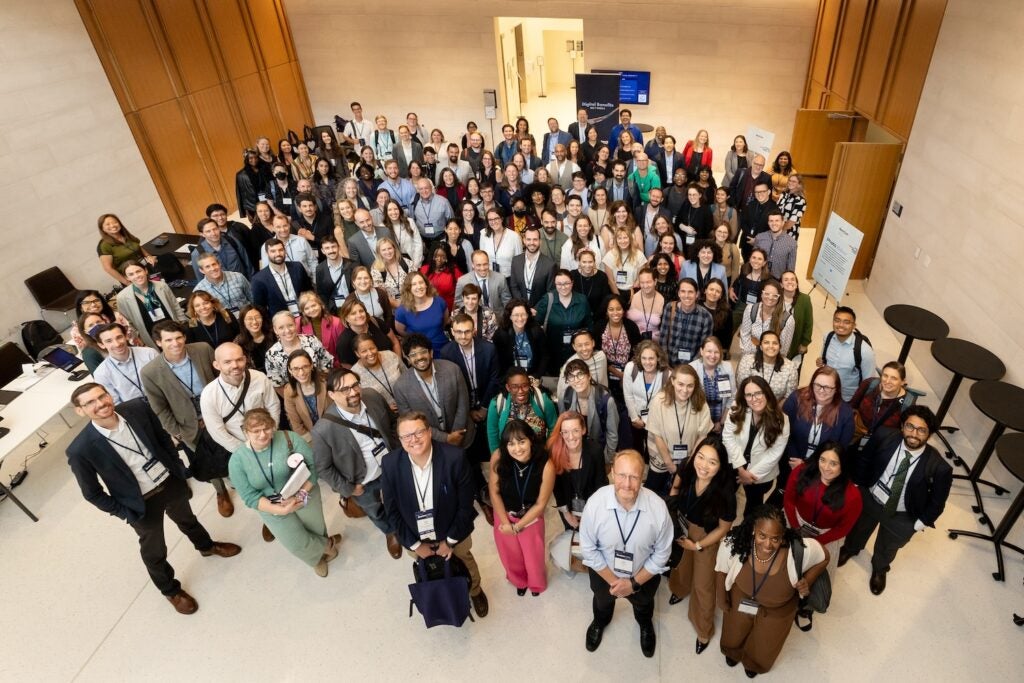
A recap of the two-day conference focused on charting the course to excellence in digital benefits delivery hosted at Georgetown University and online.