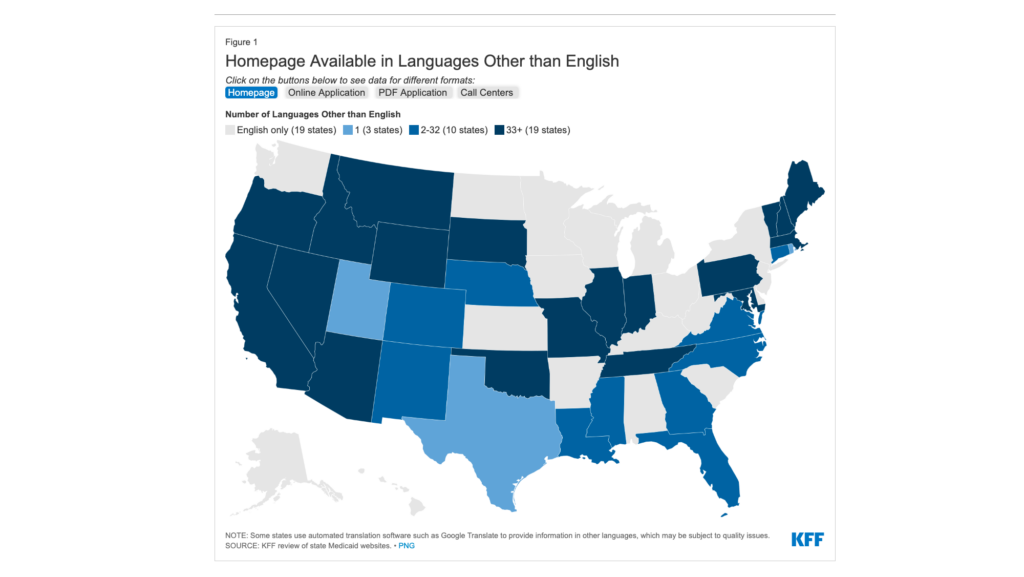
While most states provide basic digital accessibility, this review warns that persistent gaps in language services and disability accommodations create significant barriers for enrollees as pandemic-era Medicaid protections expire.
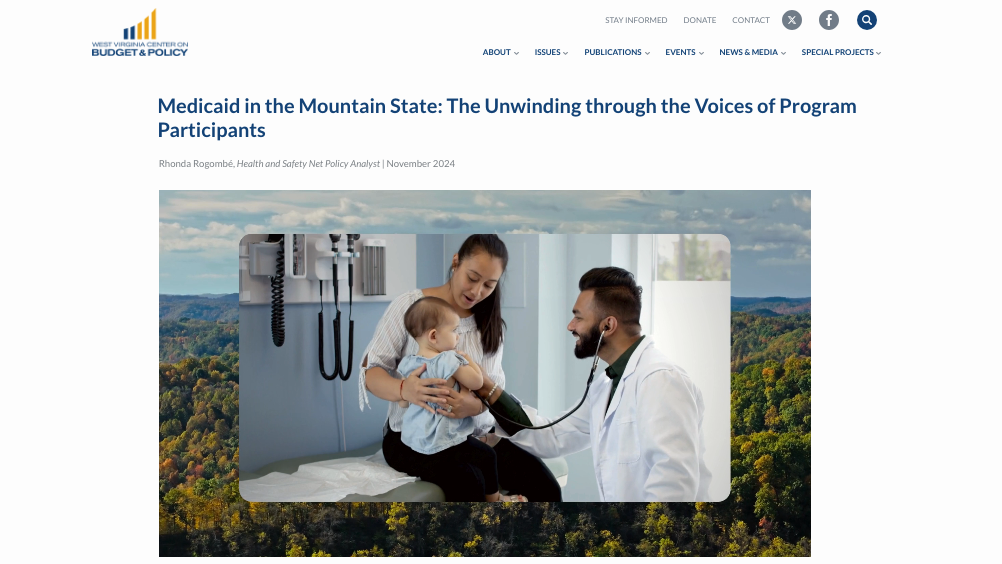
This resource examines the role of Medicaid in West Virginia and documents how the post-pandemic Medicaid “unwinding” process affected residents, highlighting participant experiences and the program’s importance for health and economic stability.
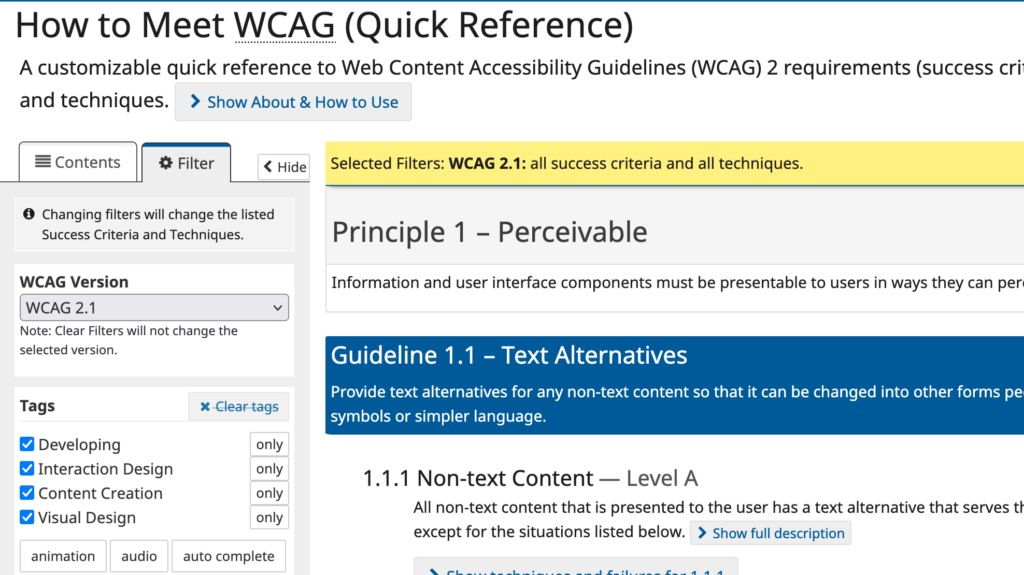
An interactive tool from the W3C Web Accessibility Initiative that provides a customizable, filterable view of WCAG 2.x success criteria and implementation techniques to help teams design and evaluate accessible digital content.
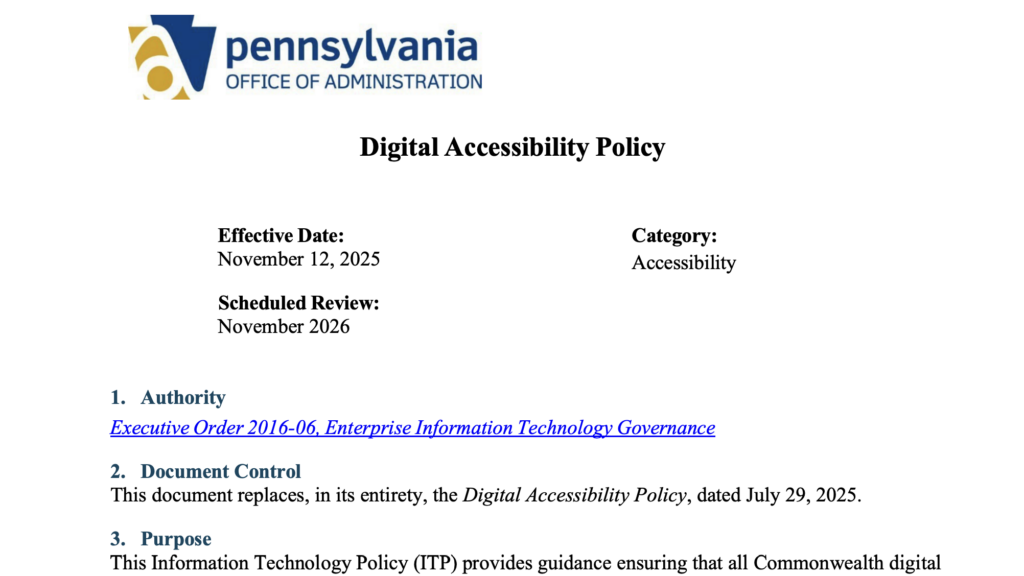
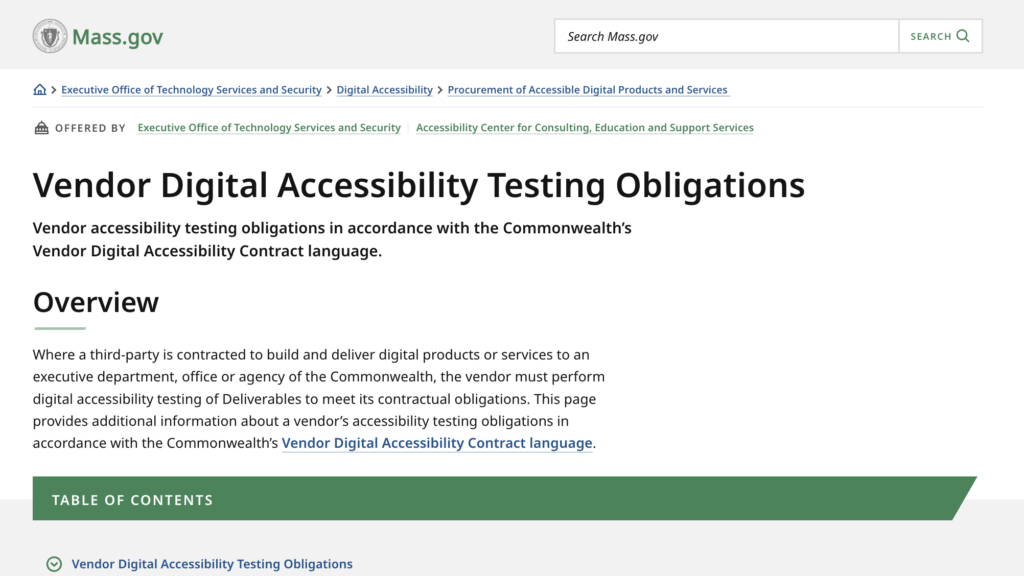
This policy establishes requirements and best practices to ensure that all digital content and services provided agencies are accessible to all users, including individuals with disabilities.
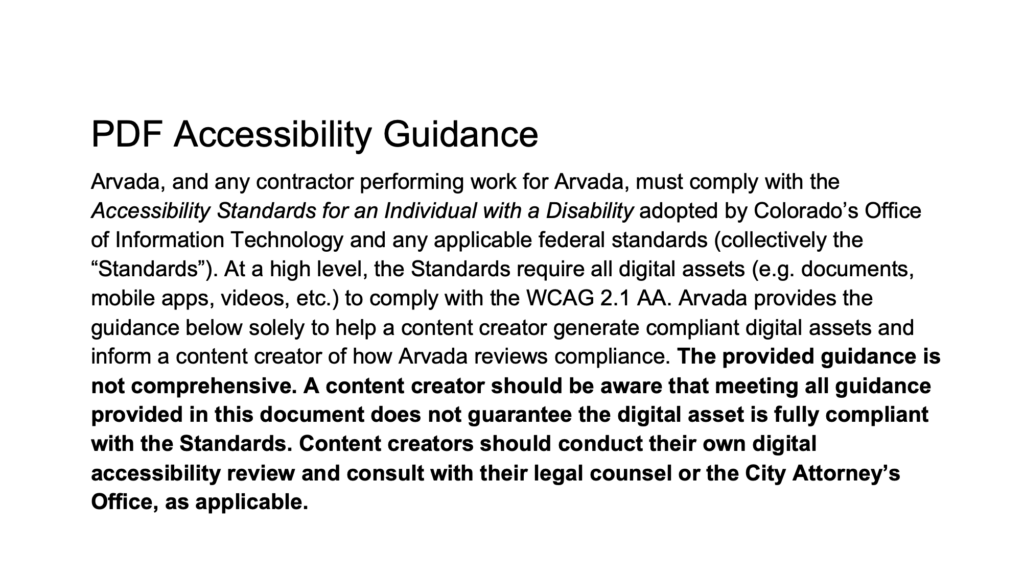
This guidance document outlines how to create and review accessible PDFs to help ensure compliance with WCAG 2.1 AA and other digital accessibility standards.
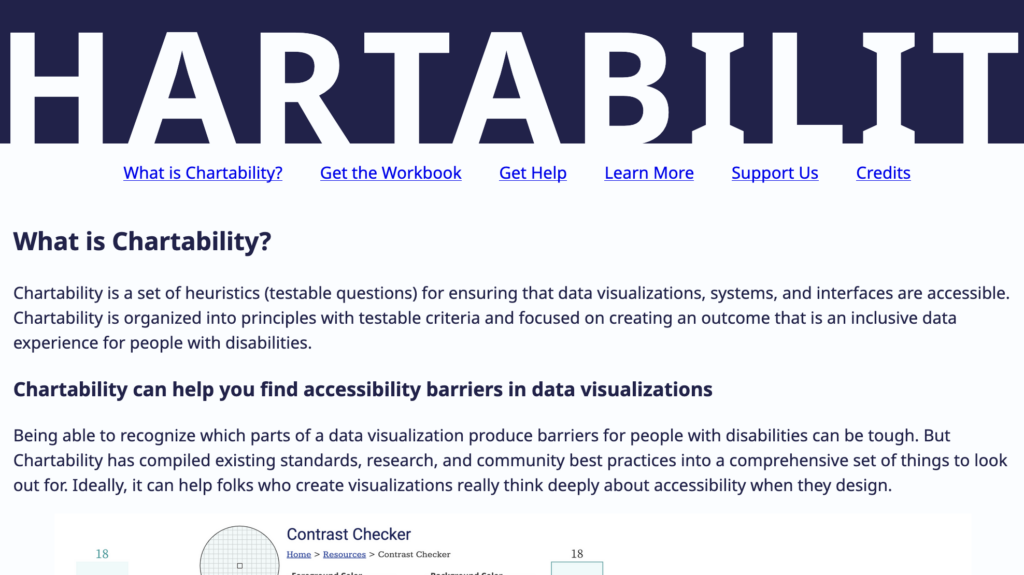
A practical accessibility framework that provides testable heuristics to help designers and developers evaluate and improve the inclusivity of data visualizations and data-driven interfaces.
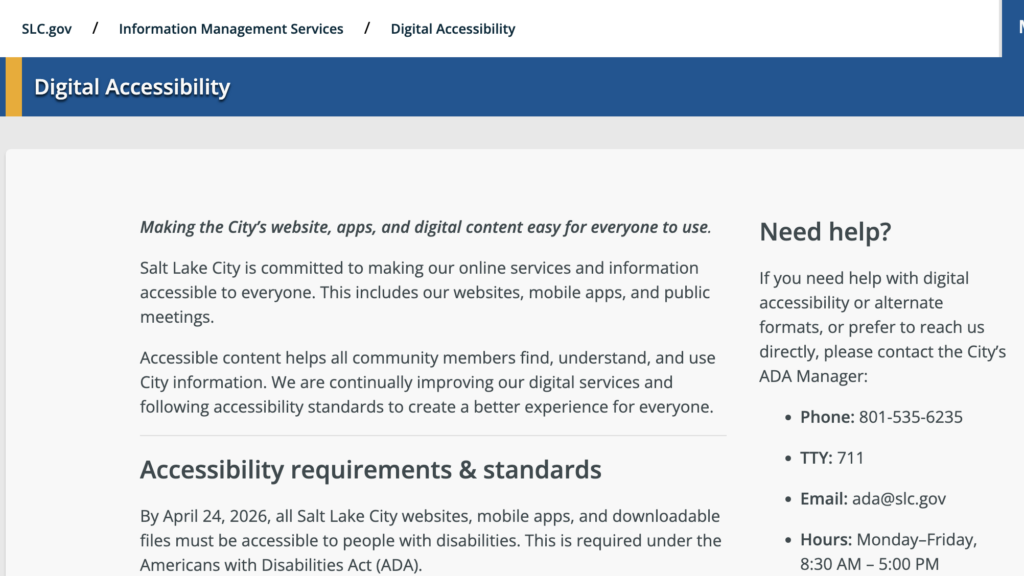
A municipal resource outlining Salt Lake City’s approach to digital accessibility, including standards, policies, and actions to ensure all residents can access online services and information.
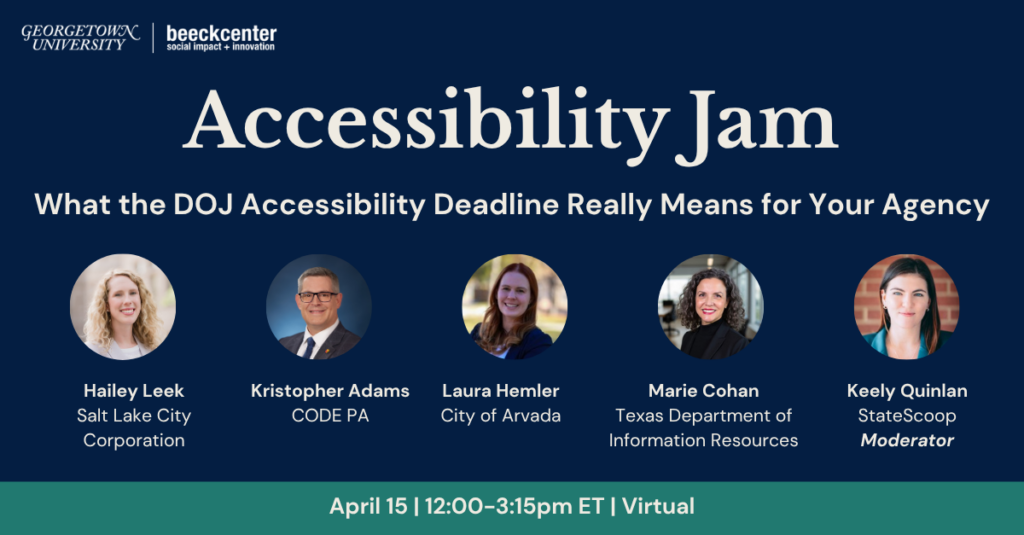
The A11y Jam opening session that introduces the April 2026 DOJ digital accessibility requirements and provides practical, plain-language guidance for government teams preparing for compliance.
Usability testing offers the opportunity to observe and learn from real users, enabling governments to iterate design to meet user needs. In this session Rua Williams, Assistant Professor in the School of Applied and Creative Computing from Purdue University, shared more about their research and practical steps government practitioners can take to conduct more inclusive and ethical usability testing. Attendees discussed partnering with disabled users in ways that are respectful, effective, and sustainable.