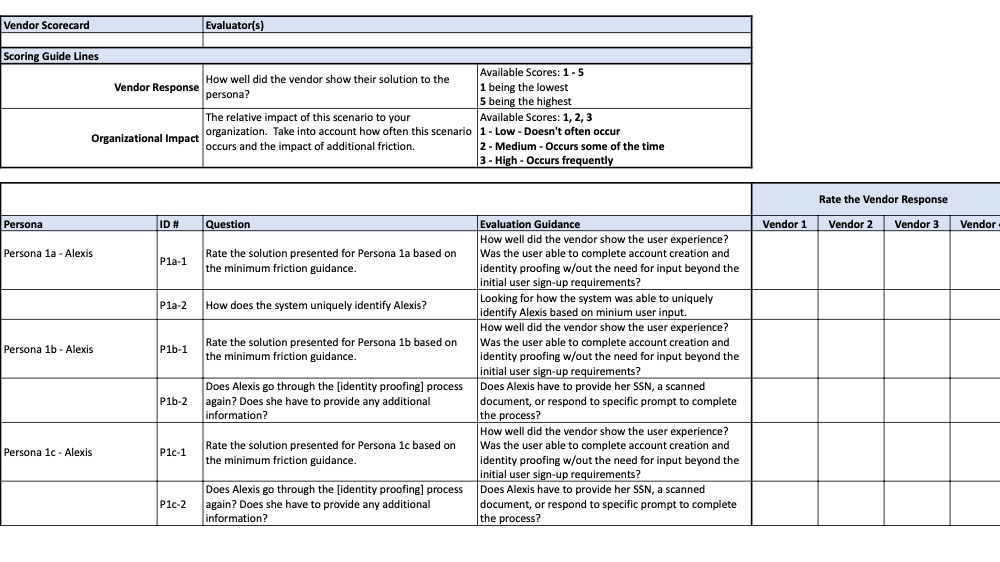
This scoring matrix from the California Employment Development Department (EDD) shows how the agency evaluated vendor proposals for a new identity proofing approach, based on vendors' ability to serve different user personas.
State of California Employment Development Department (EDD)
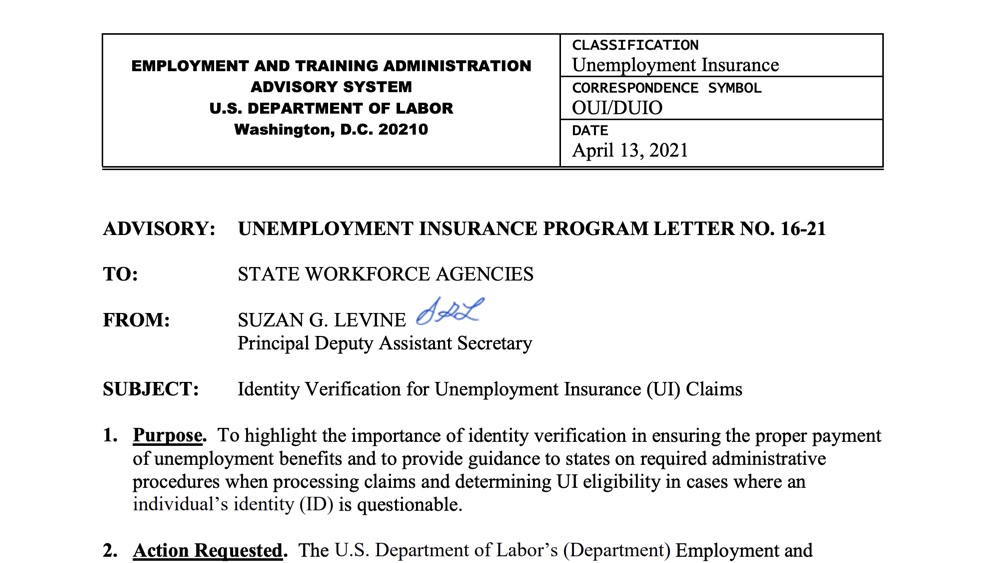
This program letter from the Employment and Training Administration Advisory System, U.S. Department of Labor to State Workforce Agencies highlights the importance of identity verification in ensuring the proper payment of unemployment benefits and provide guidance to states on required administrative procedures.
Employment and Training Administration Advisory System
This executive order directs Pennsylvania’s Office of Administration to recruit former federal employees to fill critical public service vacancies by recognizing federal experience as equivalent to state experience and launching a targeted employment awareness campaign.
This blog post describes how the NYC Service Design Studio engaged residents in the development of the Community Compensation Fund, highlighting lessons on trust-building, equitable collaboration, and inclusive community decision-making.
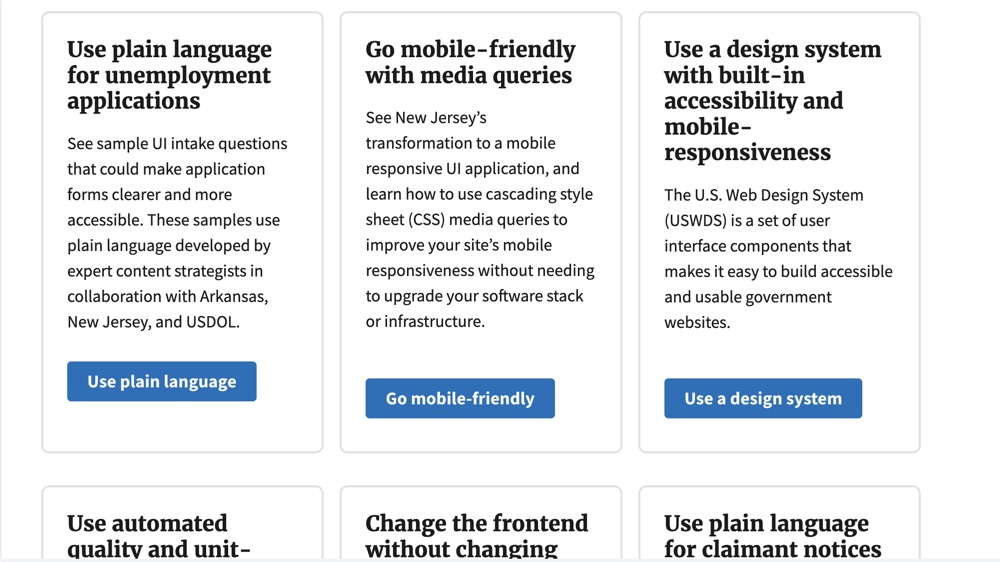
The U.S. Department of Labor is working with states, territories, and the public to develop strategies to continuously improve the nation’s unemployment insurance (UI) systems.
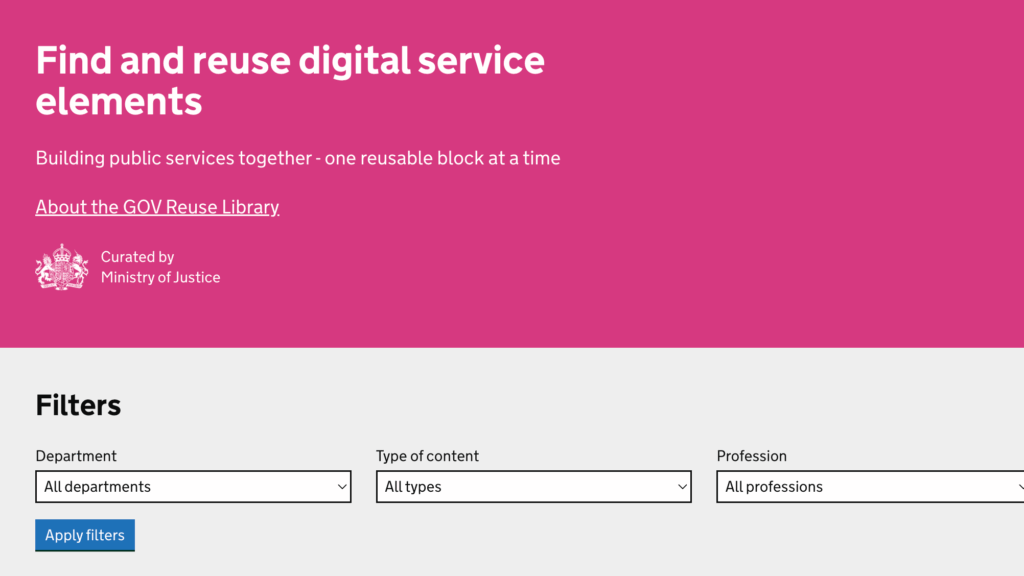
This is a government catalog of reusable digital service components, templates, and patterns designed to help public sector teams build services more efficiently and consistently.
The Unemployment Insurance Equitable Access Toolkit contains common equity recommendations, promising practices, and insights, represented visually as a different floor of an agency office building, compiled in one interactive document.