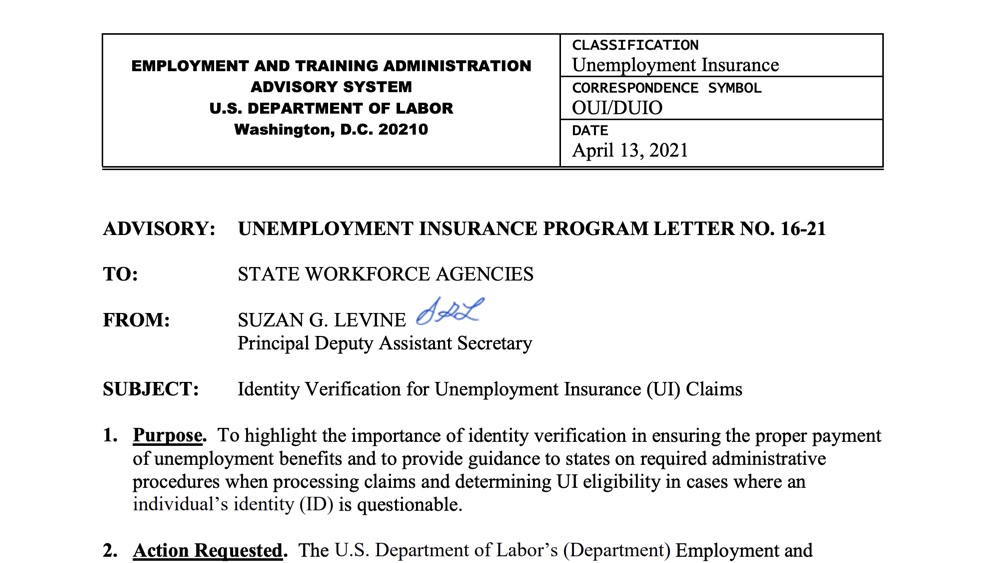
This program letter from the Employment and Training Administration Advisory System, U.S. Department of Labor to State Workforce Agencies highlights the importance of identity verification in ensuring the proper payment of unemployment benefits and provide guidance to states on required administrative procedures.
Employment and Training Administration Advisory System
This executive order directs Pennsylvania’s Office of Administration to recruit former federal employees to fill critical public service vacancies by recognizing federal experience as equivalent to state experience and launching a targeted employment awareness campaign.
A statewide framework to improve data literacy among Oregon public sector employees by identifying core competencies, learning goals, and implementation strategies across various roles and skill levels.
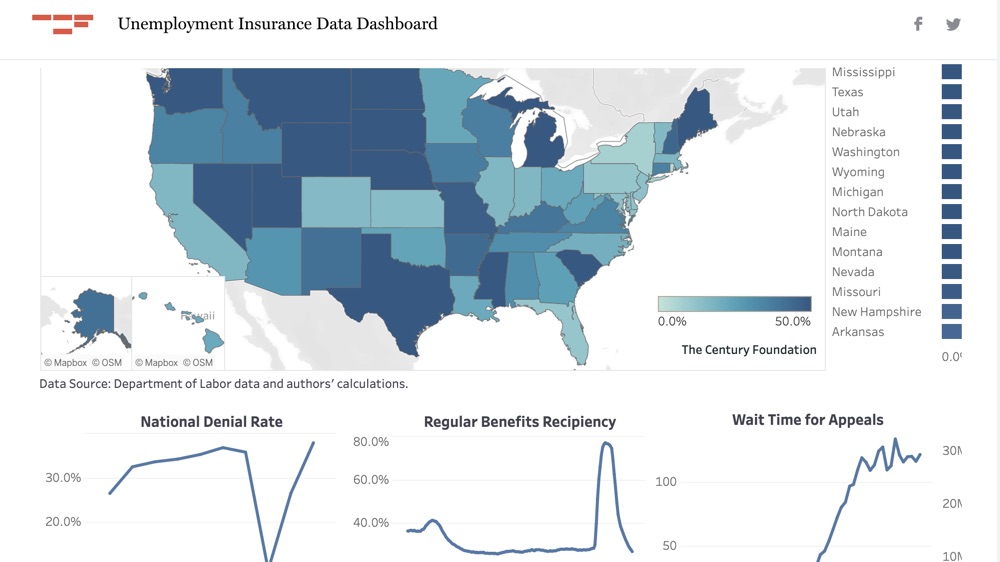
This dashboard highlights key performance indicators for UI systems nationwide, including how they perform during the current economic crisis, the impact of the CARES Act benefits expiring, the timeline for which benefits are delivered, demographics of benefits recipients, and total benefits payments.
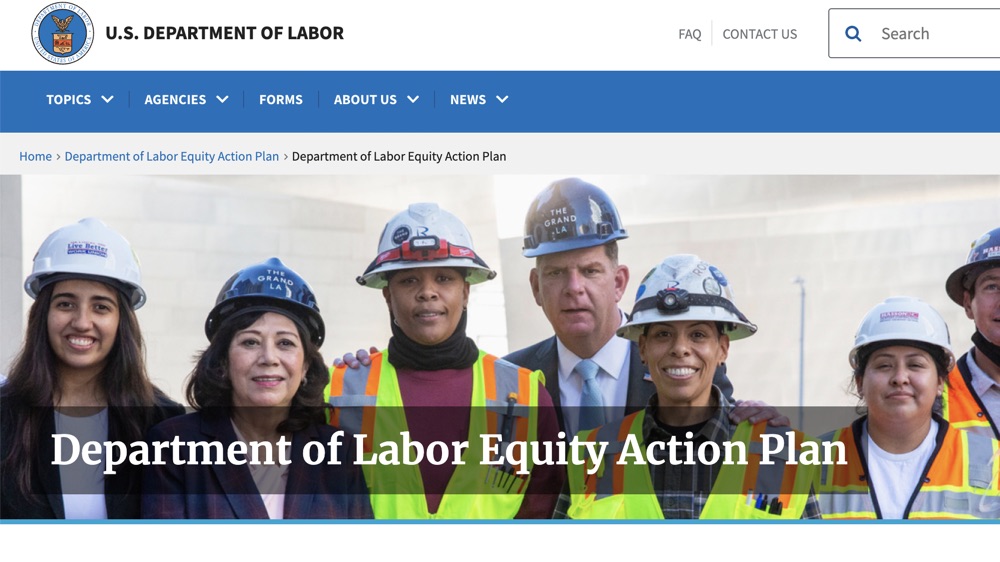
This document, submitted in response to Executive Order 13985 on Advancing Racial Equity and Support for Underserved Communities, summarizes key aspects of DOL’s principles and approach to advancing equity. One of the five areas outlined includes administering and improving the federal-state Unemployment Insurance systems.
This report explores the Maine Department of Labor’s (MDOL) remarkable response to this layoff through collaboration with the Peer Workforce Navigator project—a coalition of community-based organizations in partnership with the MDOL—which made a huge difference in the lives of these laid off workers. The report also examines aspects of the state’s unemployment insurance (UI) system that might be improved to account for similar situations in the future.
The Digital Service Network (DSN) spoke with Boston’s new Chief People Officer, Alex Lawrence, to understand how the City is transforming its approach to people management.
The Unemployment Insurance Equitable Access Toolkit contains common equity recommendations, promising practices, and insights, represented visually as a different floor of an agency office building, compiled in one interactive document.
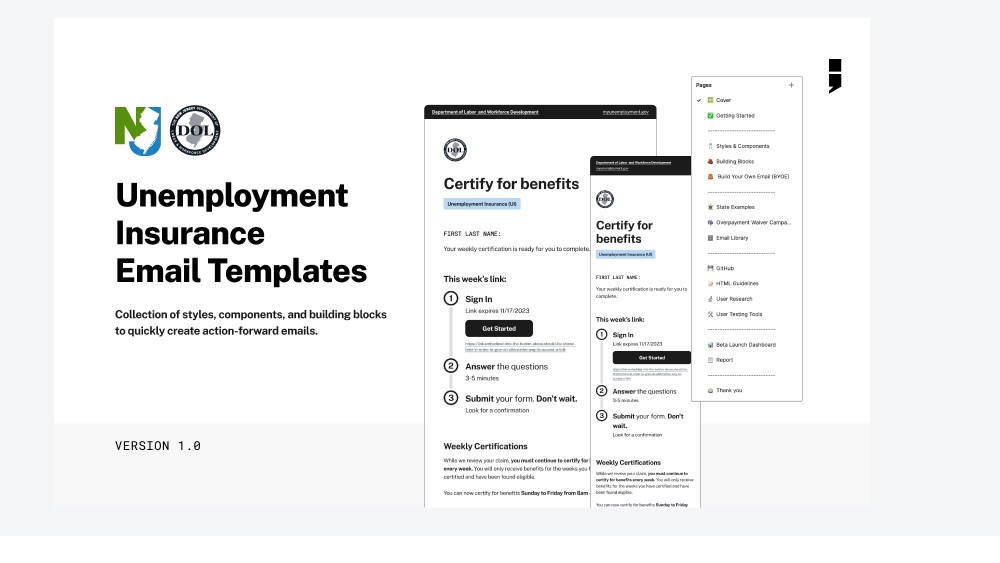
This kit contains a collection of styles, components, and building blocks to quickly create action-forward emails for Unemployment Insurance programs within the U.S.
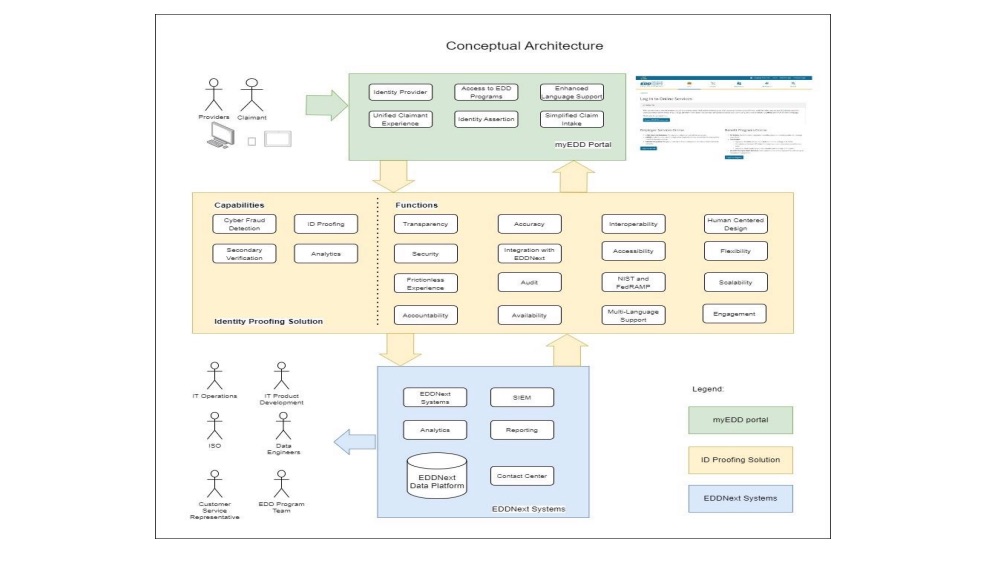
This 2023 presentation from the California Employment Development Department details the user personas the agency used to evaluate vendor proposals for a new identity proofing contract.
State of California Employment Development Department (EDD)