This toolkit provides links to a multitude of resources to help health and human services leaders evaluate and intentionally design programs to meet the unique needs of young families.
American Public Human Services Association (APHSA)
Testing (and re-testing) your designs with users will help you build the best possible product. Our Validate Methods cover varied testing scenarios and potential user groups.
This report describes how the government can use widespread social media feedback and begin to build long-term measures to center people’s experience as an important component of policy design
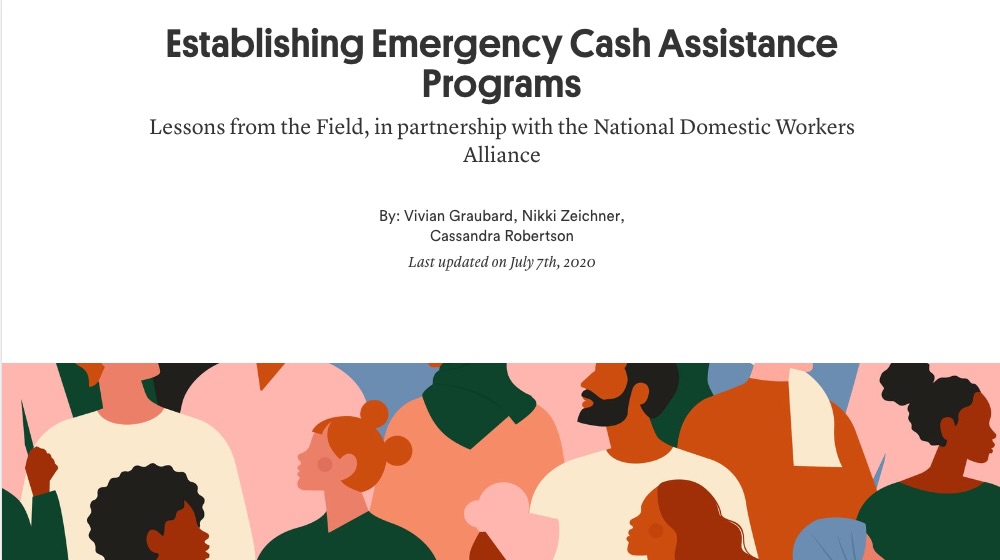
A guide by New America to help cities and states set up cash assistance programs for their residents, based on the Alia Cares platform that the National Domestic Workers Alliance built to run their Coronavirus Cares Fund that provides emergency assistance for home care workers to support them in staying safe and at home to slow the spread of COVID.
APHSA established a working group to identify strengths, barriers, and opportunities for better system alignment in human services for young parents and children, leading to the development of a roadmap to support meaningful systems-level changes.
American Public Human Services Association (APHSA)
Implementing flexible interview scheduling in Los Angeles County's CalFresh program significantly increased benefit approval rates and reduced processing times, particularly aiding working families, students, and individuals experiencing homelessness.
The OECD AI Principles promote use of AI that is innovative and trustworthy and that respects human rights and democratic values. The principles were adopted in 2019; this webpage provides an overview of the principles and key terms.
Organisation for Economic Co-operation and Development (OECD)
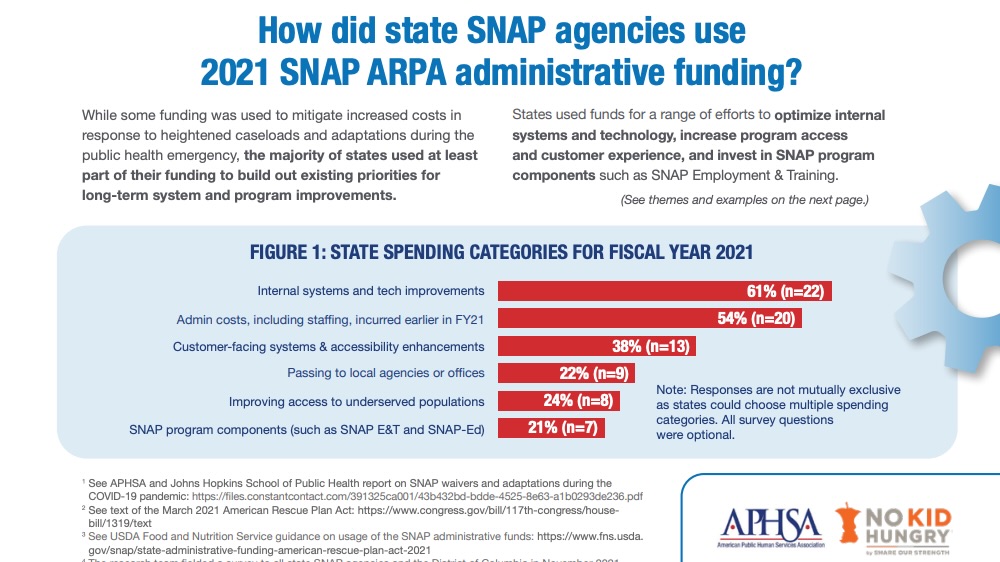
This brief shares findings from a November 2021 survey of state SNAP agencies about their use of the SNAP ARPA funds in fiscal year 2021, and their initial planned activities for fiscal year 2022 and 2023.
American Public Human Services Association (APHSA)
In this panel conversation, presenters at the Better Identity Coalition’s 2022 policy forum “Identity, Authentication, and the Road Ahead” discuss the challenges of identity verification and access in pandemic unemployment benefits.
This report provides an overview of artificial intelligence (AI), key policy considerations, and federal government activities related to AI development and regulation.
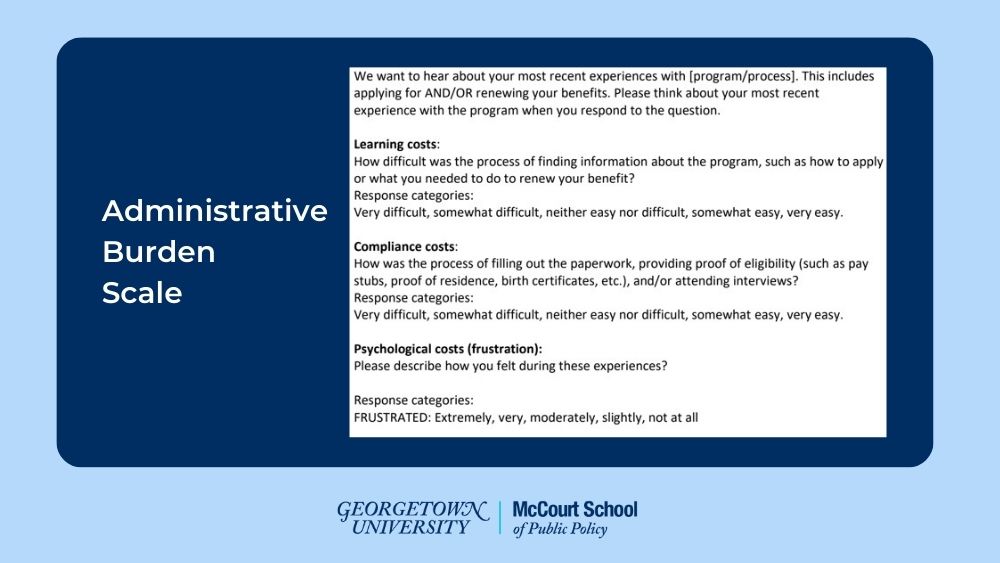
The Better Government Lab at the McCourt School of Public Policy at Georgetown University has developed a new scale for measuring the experience of burden when accessing public benefits. They offer both a three-item scale and a single-item scale, which can be utilized for any public benefit program. The shorter scales provide a less burdensome way to measure by requiring less information from users.
A modernized public benefits system would better serve program participants, administrators, policy makers, and taxpayers. This paper proposes a set of principles both define the desired future state and outline the values that shape decision making along the way. Practices describe the processes needed to achieve modernization.