The team introduced "Policy Pulse," a tool to help policy analysts understand laws and regulations better by comparing current policies with their original goals to identify implementation issues.
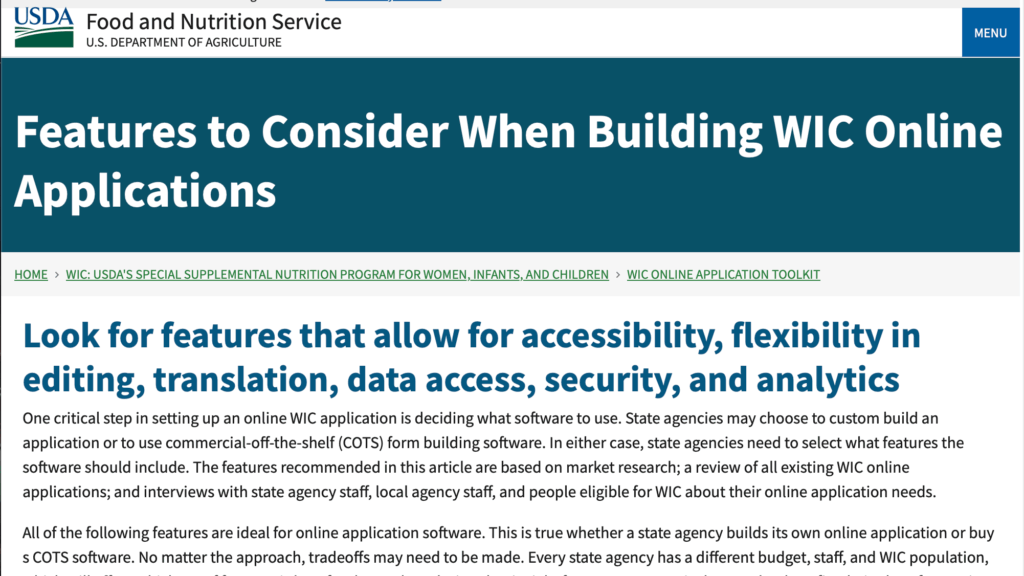
Key functionalities and design elements recommended for creating effective online WIC applications, focusing on usability, accessibility, and compliance to improve participant experience and streamline agency operations.
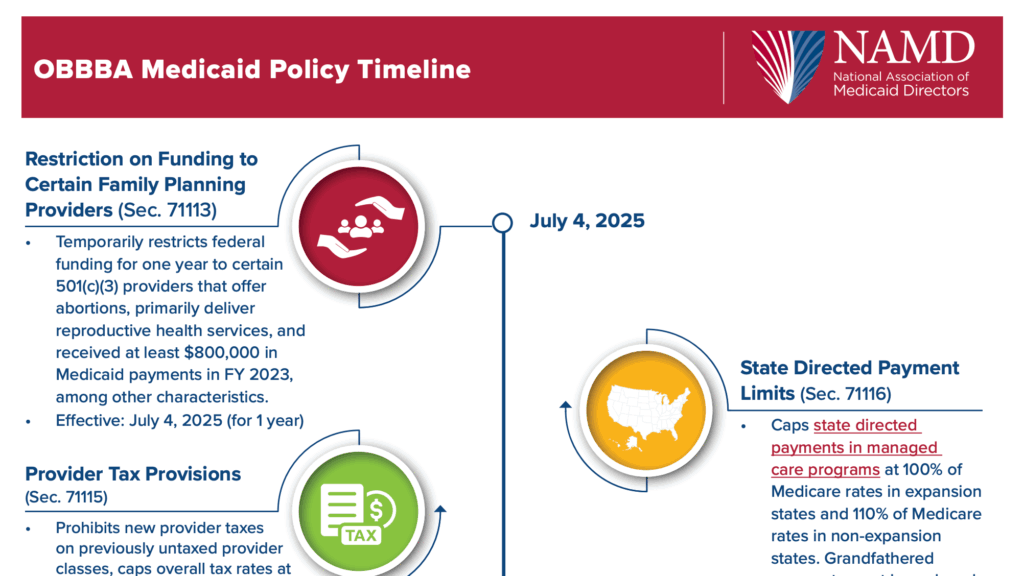
This timeline outlines key Medicaid policy changes introduced by the One Big Beautiful Bill (OBBBA / H.R. 1) with the greatest operational impact on state and territory agencies and highlights upcoming implementation deadlines.
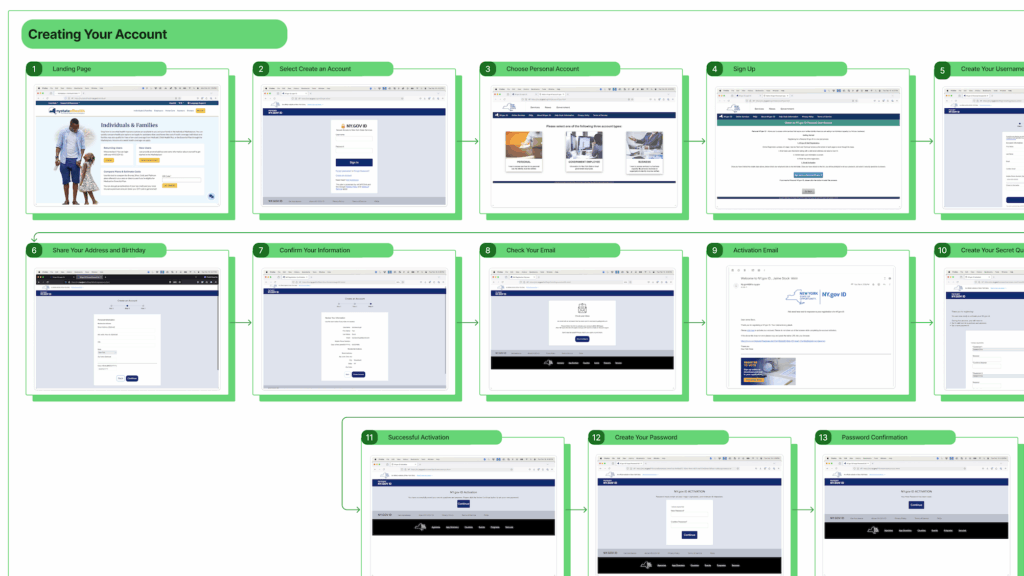
Created for use in the Digital Doorways research project, this design stimuli shows the steps of submitting an application, sharing personal information, and verifying identity for New York's online application for Medicaid.
Provides state and local Special Supplemental Nutrition Program for Women, Infants, and Children (WIC) agencies with a practical guide for developing or improving online WIC application systems.
This brief examines how direct cash transfers (DCTs) can improve maternal and infant health outcomes, particularly among low-income and racially marginalized populations, by reducing poverty during pregnancy and early parenthood
A strategic roadmap outlining the vision, goals, and measurable success criteria for building a unified, resident-centered digital portal for Washington State services.
This is a practical, plain-language screening tool designed to help SNAP clients determine if they qualify for exemptions from the program's work requirements.
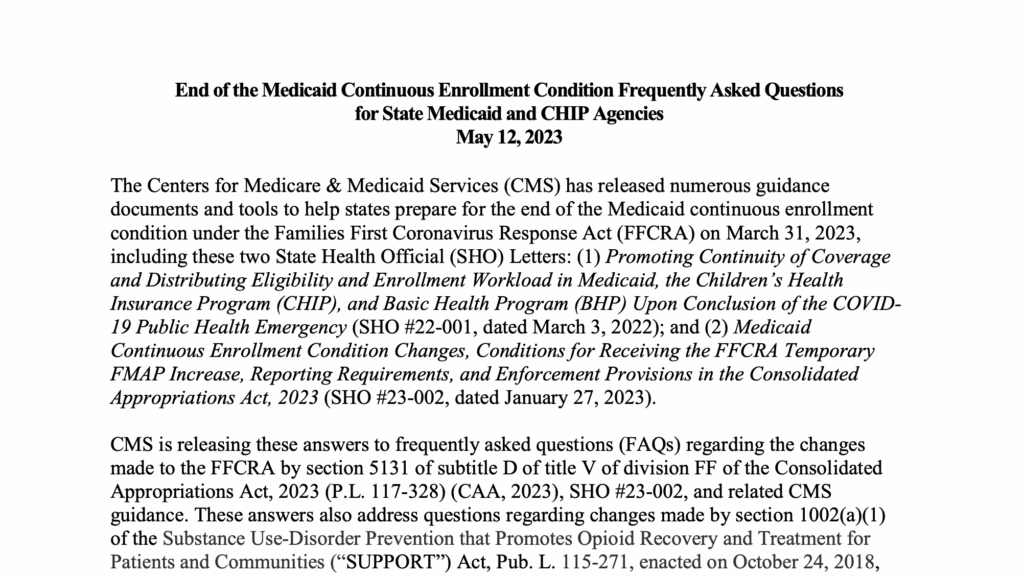
A detailed CMS FAQ document providing federal guidance to state Medicaid and CHIP agencies on policies, procedures, and beneficiary protections following the end of the Medicaid continuous enrollment condition under the Families First Coronavirus Response Act (FFCRA).
This webinar addressed the near completion of the Medicaid continuous coverage unwinding, highlighting a net decrease of almost 10.6 million enrollees, including over 4 million children, and discussed next steps for state compliance, best practices, and outreach strategies to reconnect eligible individuals who lost coverage.