This resource provides state agencies and their implementation partners with context on how and why to conduct a Digital Identity Risk Management (DIRM) process, as well as a new spreadsheet-based tool to guide agency teams through the process.
This report provides human-centered design templates and implementation guidance to help states integrate Medicaid work requirement questions into benefits applications while minimizing administrative burden and coverage loss.
This guidebook aims to equip state and local agencies with the practical insights they need to develop a text messaging outreach program for SNAP recertification.
The New South Wales government describes its efforts to connect with other Australian jurisdictions and international colleagues in its move towards making machine-consumable legislation and policy.
This field guide is for digital services and technology leaders working at the federal, state, or local government level. It describes a way of applying research approaches to strategic decision making across digital services.
This guide addresses technical and engineering requirements for a text messaging program, including texting platform options, and procurement and vendor management, among other technical implementation topics.
The guidelines for bias-free language contain both general guidelines for writing about people without bias across a range of topics and specific guidelines that address the individual characteristics of age, disability, gender, participation in research, racial and ethnic identity, sexual orientation, socioeconomic status, and intersectionality.
Code for America offers government agencies a general overview of getting started with implementing text messaging services for clear, responsive communication during the COVID-19 pandemic.
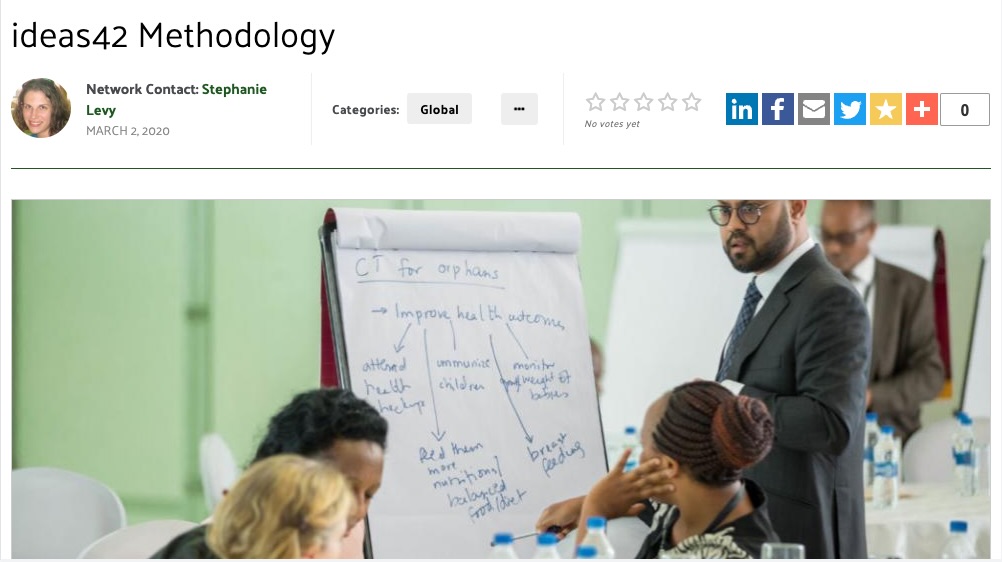
This article introduces ideas42, a non-profit behavioral research and design firm applying insights from behavioral sciences, including behavioral economics (BE), social psychology, and other disciplines, for social good. Their behavioral design methodology is human-centered, but it incorporates scientific insights and iterative testing, applying observations about how people choose and act from experimental academic research to inform qualitative research.
This article examines how applying a Racial Equity Framework reveals systemic inequities in the Earned Income Tax Credit (EITC) program, offering insights into barriers faced by marginalized communities and potential solutions.
This visualized report is a first first-of-its-kind view of the state of benefits applications across the nation from a client perspective, including information on application availability online, combined benefit applications, application completion times, as well as login and identity proofing requirements.