A practical toolkit that guides teams through designing and building accessible forms in print and PDF formats that are usable by people with disabilities and meet accessibility standards.
A practical playbook for designing and running technical challenges in procurement to evaluate vendors’ real-world problem-solving ability rather than just written proposals.
This communications workplan provides a strategic framework for state Medicaid agencies to manage outreach and engagement ahead of the January 2027 implementation of Medicaid work reporting requirements.
This data playbook created by the California Health and Human services agencies discusses five plays designed to help Departments utilize data to inform program and policy development.
California Health and Human Services Agency (Cal HHS)
Usability tests can help teams develop products that are user-centered, accessible, and inclusive. This guide will help you create a robust plan to promote a successful usability test.
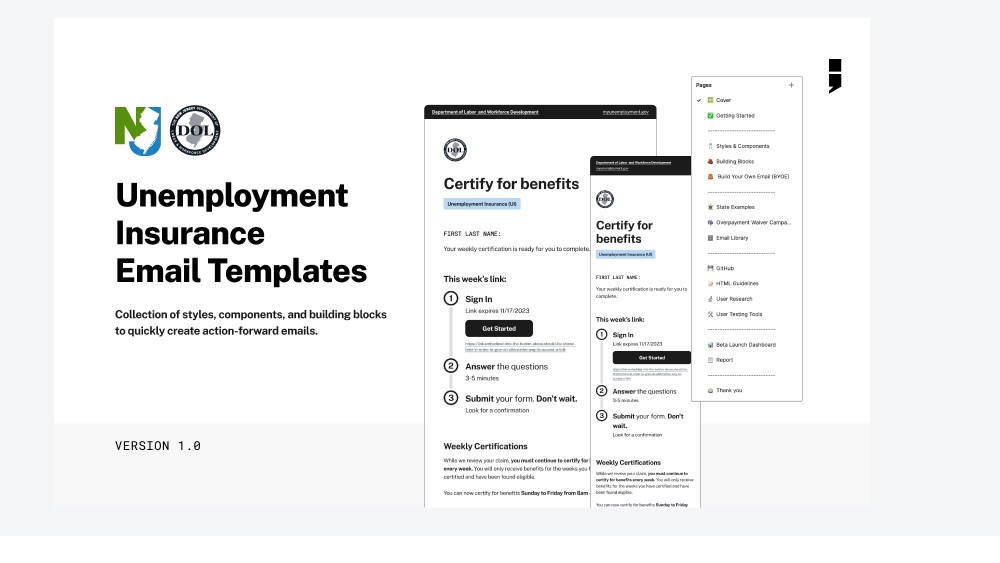
This kit contains a collection of styles, components, and building blocks to quickly create action-forward emails for Unemployment Insurance programs within the U.S.
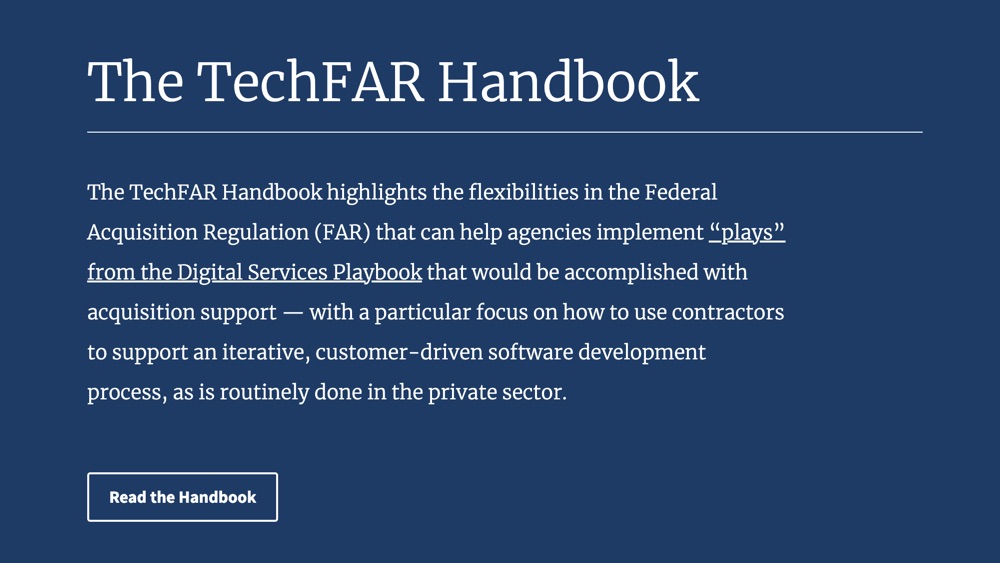
This handbook highlights the flexibilities in the Federal Acquisition Regulation (FAR) that can help agencies implement “plays” from the Digital Services Playbook, with a particular focus on how to use contractors to support an iterative, customer-driven software development process.
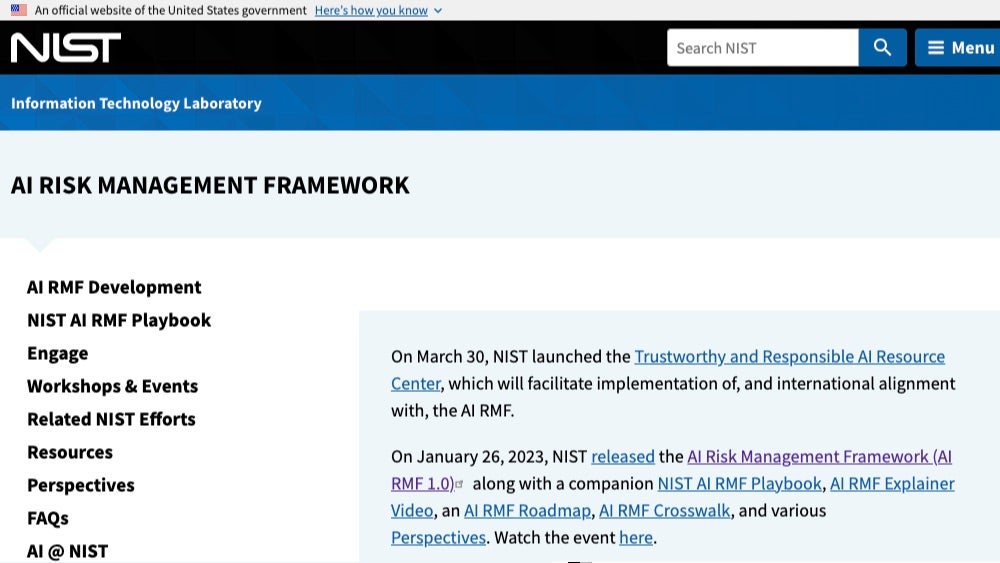
NIST has created a voluntary AI risk management framework, in partnership with public and private sectors, to promote trustworthy AI development and usage.
National Institute of Standards and Technology (NIST)