The Advancing Economic Mobility for Low-Income Families report, published by the National Governors Association (NGA) Center for Best Practices, provides policy options for governors to strengthen economic security, workforce participation, and wealth-building opportunities for low-income families.
Study by the Director of the Office of Management and Budget assessing methods for determining whether agency policies and actions create or exacerbate barriers to full and equal participation by eligible individuals. This study followed the Executive Order on racial equity.
The Center for Democracy and Technology's brief clarifies misconceptions about artificial intelligence (AI) in government services, emphasizing the need for precise definitions, awareness of AI's limitations, recognition of inherent biases, and acknowledgment of the significant resources required for effective implementation.
This guidebook offers an introduction to the risks of discrimination when using automated decision-making systems. This report also includes helpful definitions related to automation.
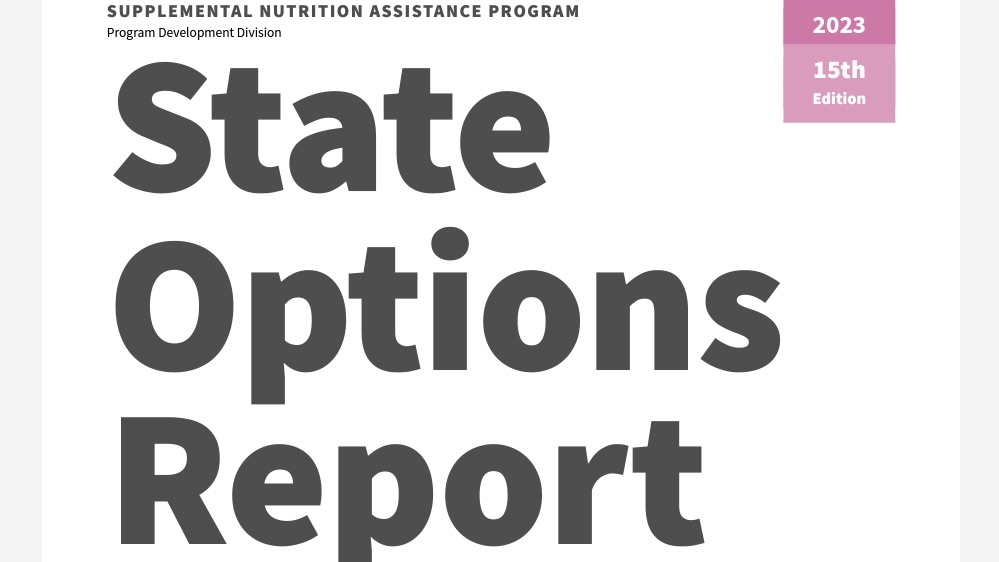
This report summarizes 19 SNAP policy options (in effect as of Oct. 1, 2023) and waivers (implemented as of July 1, 2023) chosen by SNAP state agencies (50 states, the District of Columbia, Guam, and Virgin Islands) in federal fiscal year (FY) 2023.
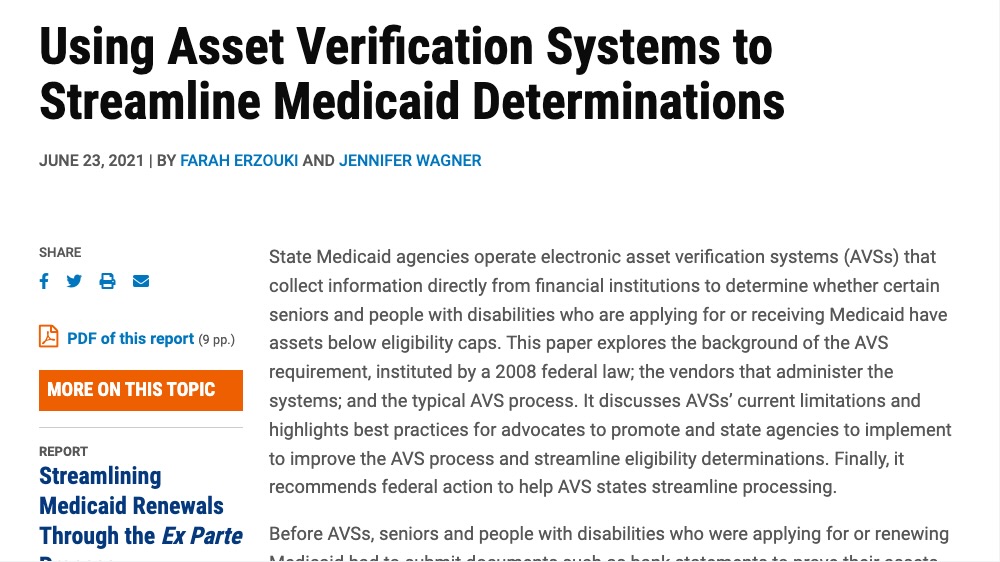
This report examines how implementing Asset Verification Systems (AVS) can streamline Medicaid eligibility determinations for seniors and individuals with disabilities by automating the verification of applicants' financial assets.
This Urban Institute report explores the impact of benefit cliffs, plateaus, and trade-offs on families receiving public assistance, examining how changes in earnings affect access to essential benefits like SNAP, Medicaid, and housing subsidies.
This publication seeks to answer one of the most common questions that CIOs ask: “What are other states doing with generative AI and what is the role of the state CIO?”
National Association of State Chief Information Officers (NASCIO)
The report evaluates the feasibility, costs, taxpayer interest, and operational challenges of implementing an IRS-run free direct e-file tax return system, as required by the Inflation Reduction Act.
This report outlines the U.S. Department of Labor’s comprehensive action plan to strengthen the unemployment insurance (UI) system by addressing chronic underfunding and proposing legislative reforms to support long-term modernization and resilience.