This piece highlights promising design patterns for account creation and identity proofing in public benefits applications. The publication also identifies areas where additional evidence, resources, and coordinated federal guidance may help support equitable implementations of authentication and identity proofing, enabling agencies to balance access and security.
In this piece, the Digital Benefits Network shares several sources—from journalistic pieces, to reports and academic articles—we’ve found useful and interesting in our reading on automation and artificial intelligence.
In response to exploding demand for social services during COVID-19, the Louisiana Department of children and Family services implemented text-message alerts and reminders for the state’s entire SNAP caseload, launched a text-based public campaign to help people understand and apply for SNAP benefits, and hired SNAP recipients to provide client feedback on communications and policy decisions.
The Digital Service Network is publishing two essays to kick-start new (or super-charge existing) theories of change for government Digital Service teams.
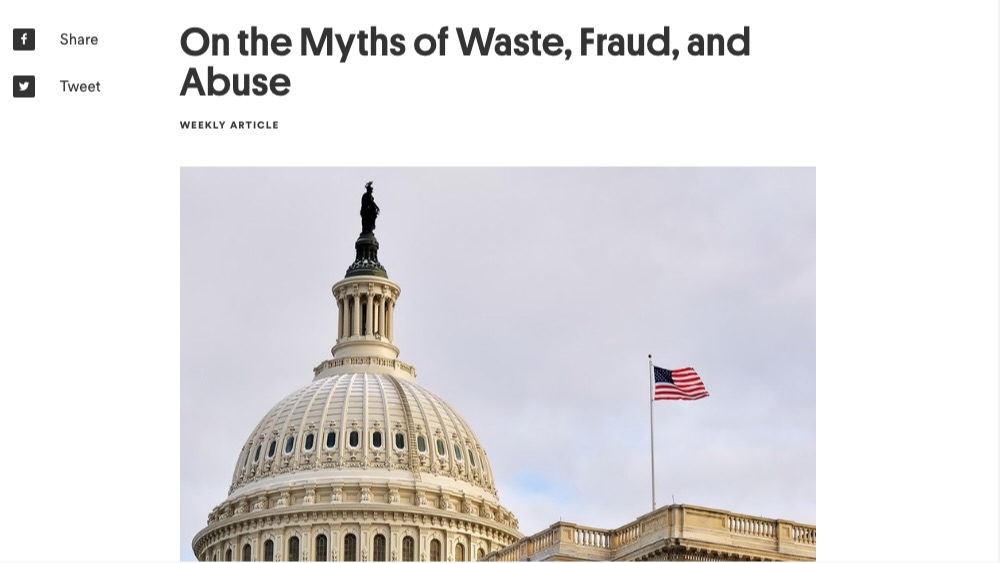
Though the rhetoric of “waste, fraud, and abuse” is ubiquitous when it comes to welfare programs, low-income households receive little relief from benefits programs. Most efforts to make public benefits systems more “efficient” actually just waste time and money in practice. They instead serve to stigmatize low-income families and chip away at the little assistance that remains available to them.
Expanding access to free tax assistance through virtual Volunteer Income Tax Assistance (VITA) programs can help low-income filers claim essential tax benefits without incurring preparation fees.
In this webinar, the Center on Budget and Policy Priorities and the Digital Benefits Network explored key terms related to digital identity, and provided ecosystem-level context on how authentication and identity proofing may show up in the online benefits experience and impact clients.