Errors in administrative processes are costly and burdensome for clients but are understudied. Using U.S. Unemployment Insurance data, this study finds that while automation improves accuracy in simpler programs, it can increase errors in more complex ones.
This study explores the causal impacts of income on a rich array of employment outcomes, leveraging an experiment in which 1,000 low-income individuals were randomized into receiving $1,000 per month unconditionally for three years, with a control group of 2,000 participants receiving $50/month.
This article explores how AI and Rules as Code are turning law into automated systems, including how governance focused on transparency, explainability, and risk management can ensure these digital legal frameworks stay reliable and fair.
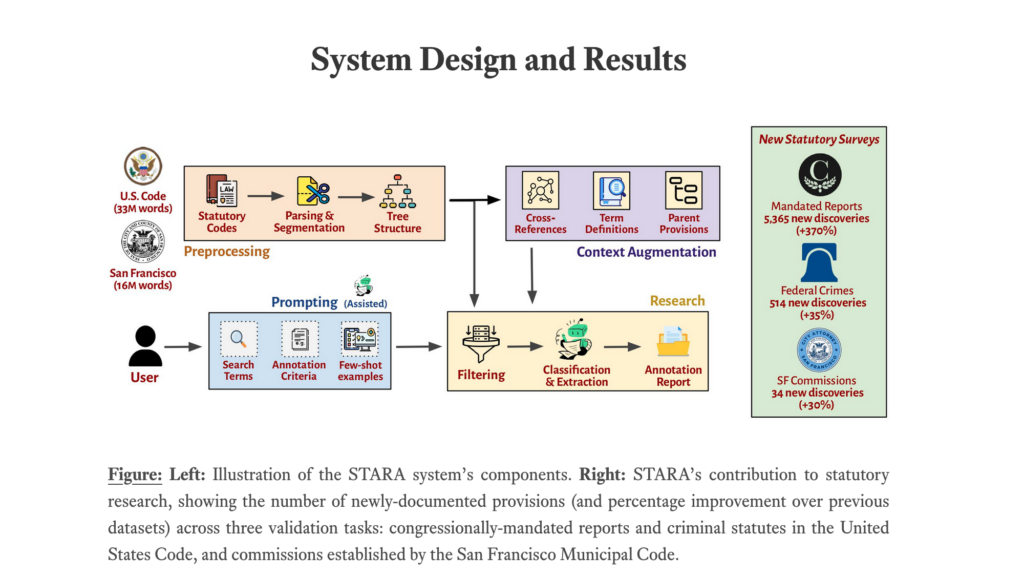
This article explores how legal documents can be treated like software programs, using methods like software testing and mutation analysis to enhance AI-driven statutory analysis, aiding legal decision-making and error detection.
This paper explores how legacy procurement processes in U.S. cities shape the acquisition and governance of AI tools, based on interviews with local government employees.
This research paper examines how stigma shapes participation in U.S. social safety net programs and influences public support for benefit design and access.
A TLDR of the State CDO Archetypes report—covering how state CDO offices operate and the six archetypes that define them. Written for event attendees and government staff: governor's office, IT and budget leadership, legal and data officials, and legislators who oversee CDO funding and establishment.
This article examines the historic structural changes to the Supplemental Nutrition Assistance Program (SNAP) enacted through H.R. 1 and their potential consequences for public health and food security.
This discussion paper advocates for states to use the implementation of OBBBA (One Big Beautiful Bill Act) as a catalyst to build integrated, cross-agency data systems.