This section of the Building Resilience plan outlines comprehensive strategies to help states prevent, detect, and recover unemployment insurance (UI) fraud while protecting legitimate claimants.
For the Digital Service Network’s (DSN) final installment of its summer event series, Let’s Get Digital, we heard about New York State’s (NYS) human-centered design (HCD) journey and how relationships between leadership and digital service teams have been pivotal in advancing user-centric service delivery.
The blog post emphasizes advancements in digital services, user engagement, and inter-agency collaborations that enhanced public access to government services.
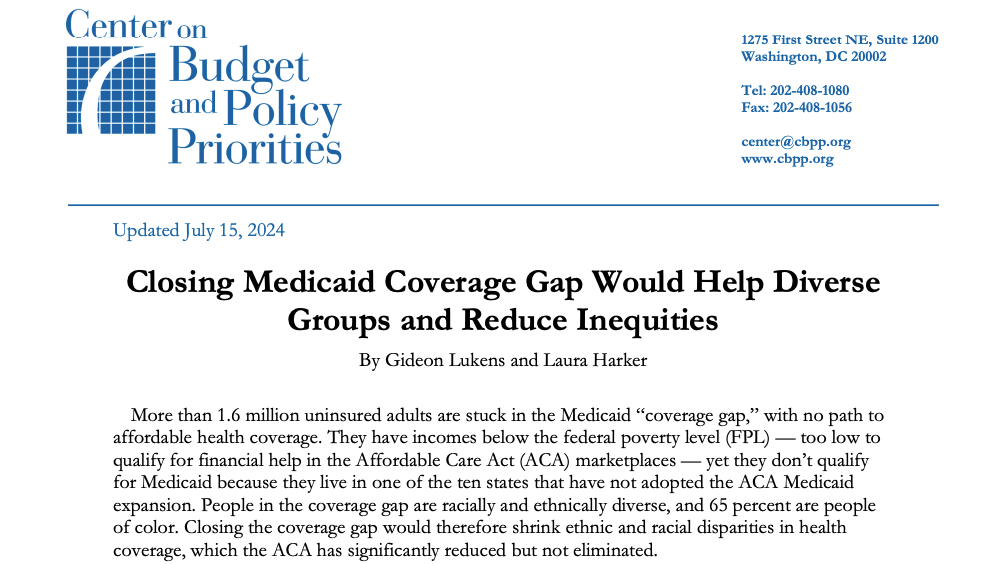
Closing the Medicaid coverage gap could significantly reduce healthcare disparities as 65% of those affected are people of color, specifically impacting low-wage workers and caregivers who often experience economic and health vulnerabilities.
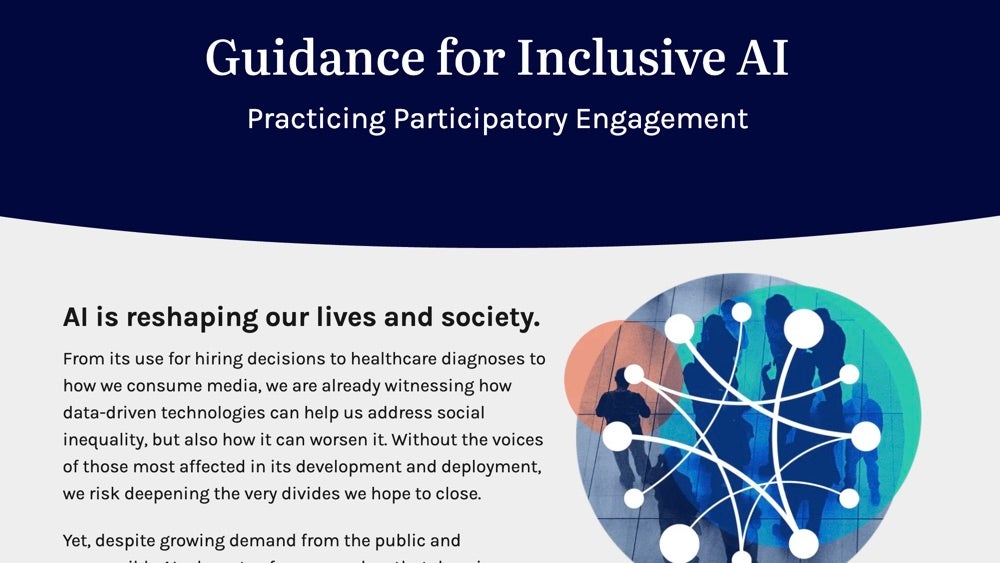
This resource helps individuals with aligning their work with the needs of the communities they wish to serve, while reducing the likelihood of harms and risks those communities may face due to the development and deployment of AI technologies.
Post-Medicaid continuous enrollment's end in March 2023, states faced renewal challenges through August 2024, seeing improved auto-renewals but persistent procedural disenrollments despite outreach and intervention.
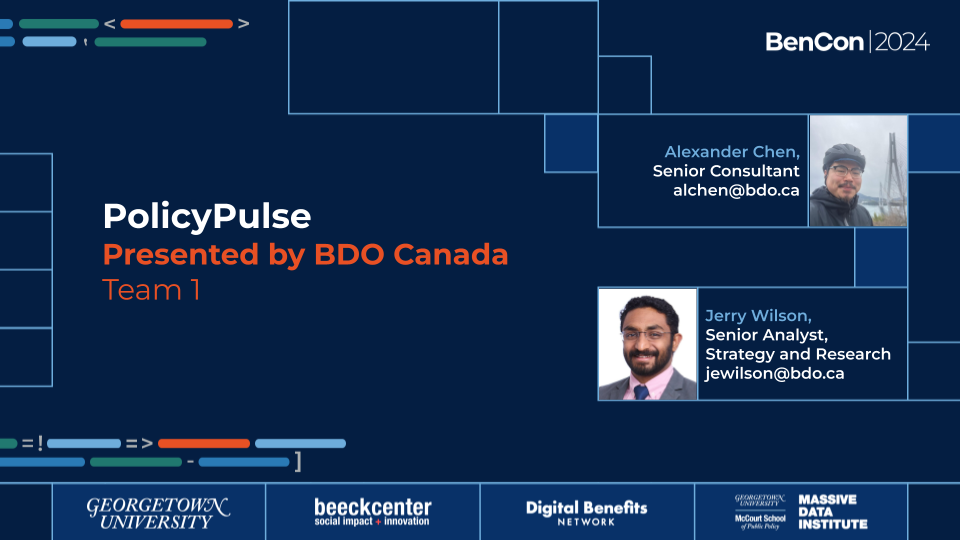
The team introduced "Policy Pulse," a tool to help policy analysts understand laws and regulations better by comparing current policies with their original goals to identify implementation issues.