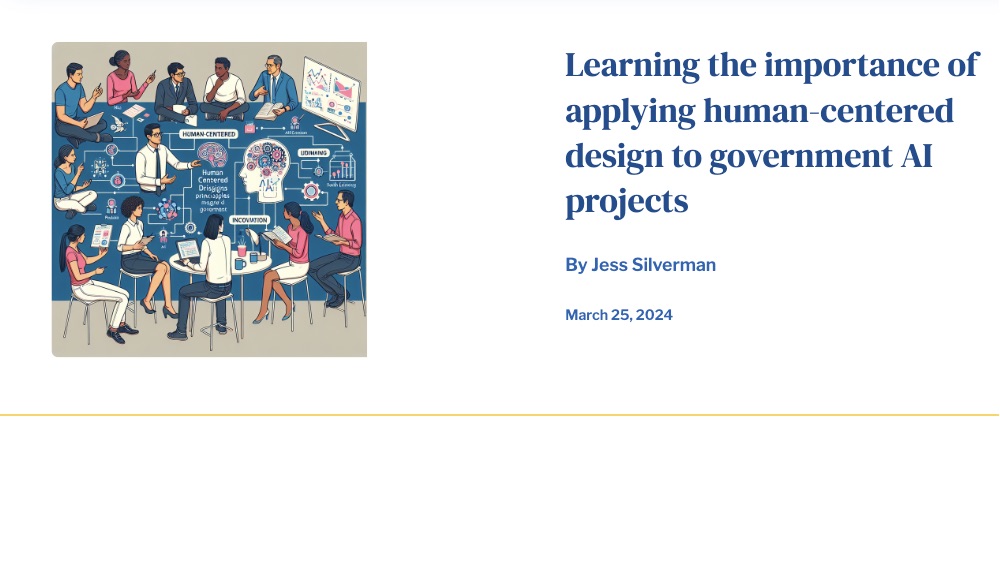
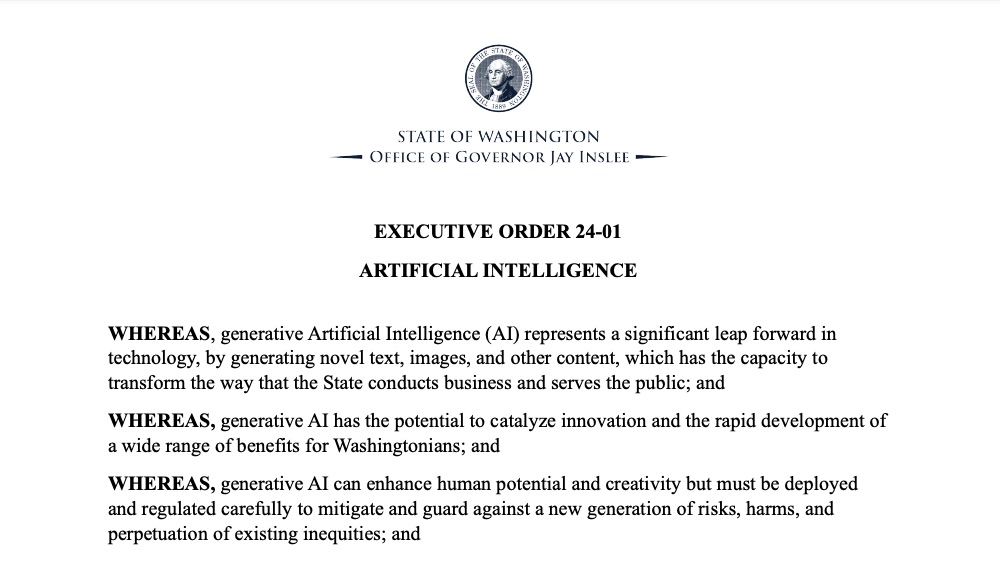
Takeaways from a workshop focusing on applying human-centered design to government artificial intelligence (AI) projects, led by Elham Ali, Researcher from the Beeck Center for Social Impact and Innovation.
This toolkit offers strategies for advocates and state agencies to enhance the efficiency of eligibility verification processes for Medicaid and SNAP, aiming to reduce administrative burdens and improve access to benefits.
This book explores the current capabilities, future possibilities, and necessary governance for facial recognition technology. The report discusses legal, societal, and ethical implications of the technology, and recommends ways that federal agencies and others developing and deploying the technology can mitigate potential harms and enact more comprehensive safeguards.
National Academies of Sciences, Engineering, and Medicine
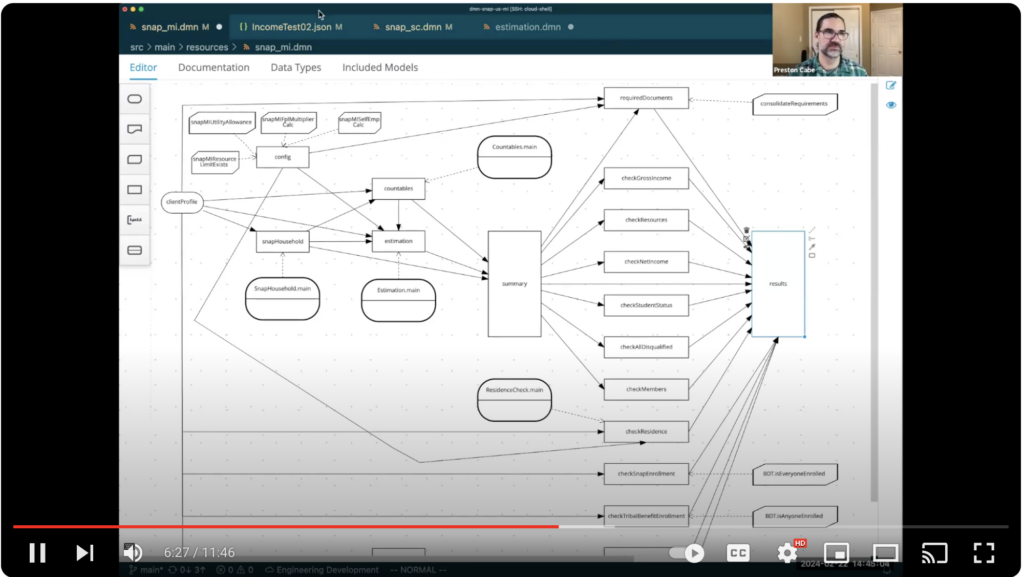
This course from the European Commission aims to provide participants with a comprehensive understanding of Law as Code and its relationship to digital-ready policymaking.
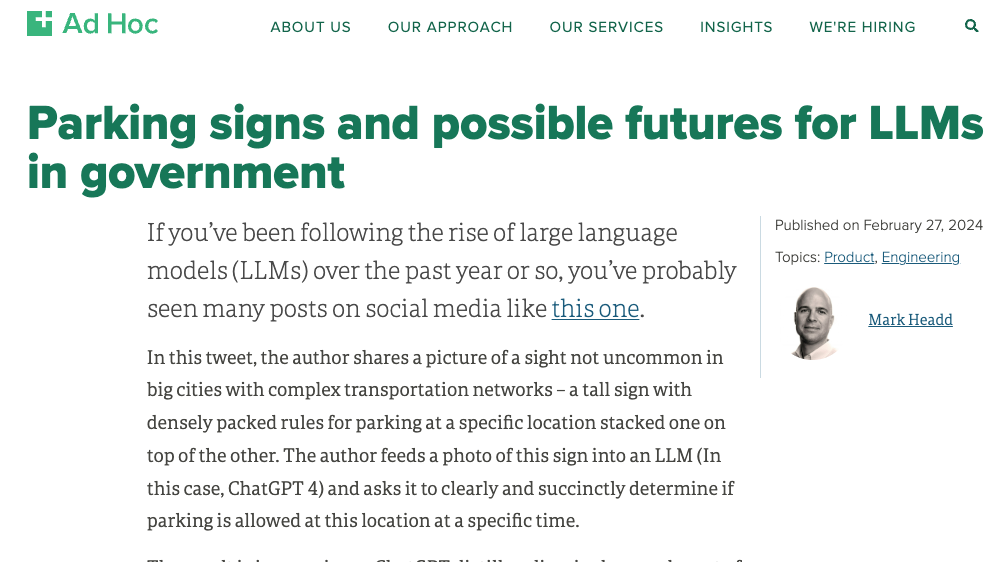
Government agencies adopting generative AI tools seems inevitable at this point. But there is more than one possible future for how agencies use generative AI to simplify complex government information.
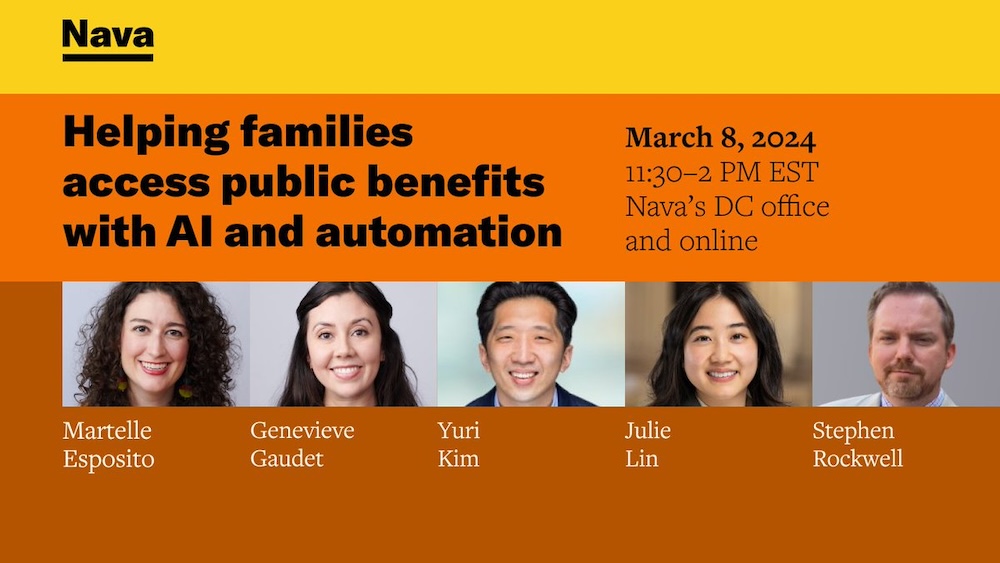
Webinar that shares Nava’s partnership with the Gates Foundation and the Benefits Data Trust that seeks to answer if generative and predictive AI can be used ethically to help reduce administrative burdens for benefits navigators.