This webinar provides insight on behavioral science concepts and how states can put such ideas into practice to tailor engagement, messaging, and independence planning, as well as promote participation in SNAP E&T programs.
Disparities in Economic Impact Payment (EIP) receipt during the COVID-19 pandemic disproportionately affected low-income households, communities of color, and individuals without tax filing histories.
Technology that automates different processes can save time for caseworkers and constituents, but it can also significantly reduce the transparency of government operations. This paper describes how Pennsylvania advocates addressed the low rate of automated Medicaid renewals.
This brief describes the TANF Data Collaborative (TDC), an innovative approach to increasing data analytics capacity at state Temporary Assistance for Needy Families (TANF) agencies.
This article describes how Code for America conducted qualitative research within its GetCalFresh application by asking families to tell them about their familial, housing, and financial situations. From client messages, they gathered information regarding how to make changes to their product to keep their work people-centered.
This brief examines how state Temporary Assistance for Needy Families (TANF) programs adapted policies during the early stages of the COVID-19 pandemic to address emerging challenges.
Code for America describes its work building the P-EBT online application and the consulting it provided to 10 states regarding implementing the program in a quick, effective, and human-centered way. Despite herculean efforts among human services and education agencies to get P-EBT off the ground, there were a few key technological, operational, and logistical barriers that consistently got in the way and hampered a smooth rollout of the program across the country.
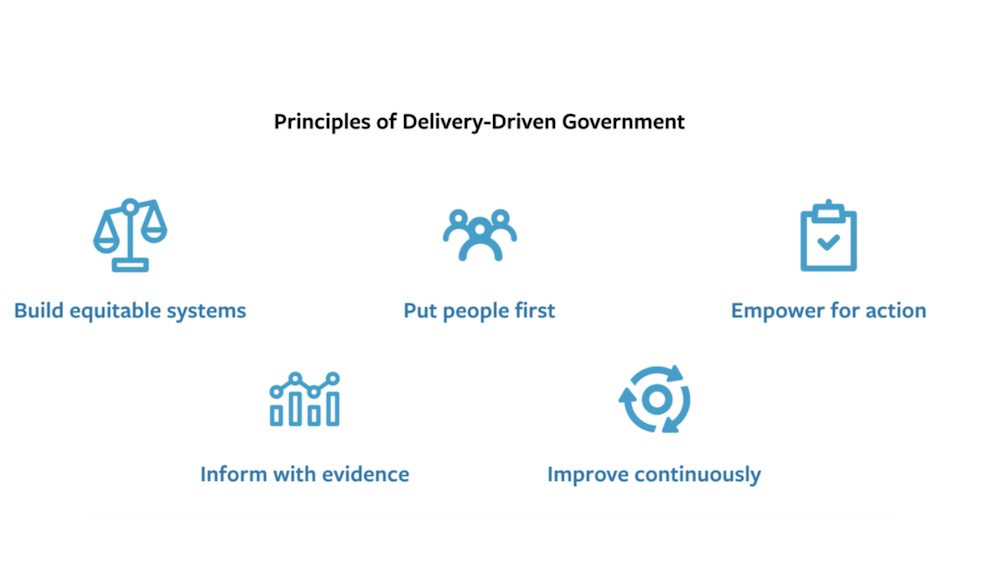
Code for America initially introduced the concept of Delivery-Driven Government in 2018. This article refreshes its original principles and expands on what the organization has learned to make its concepts clearer.
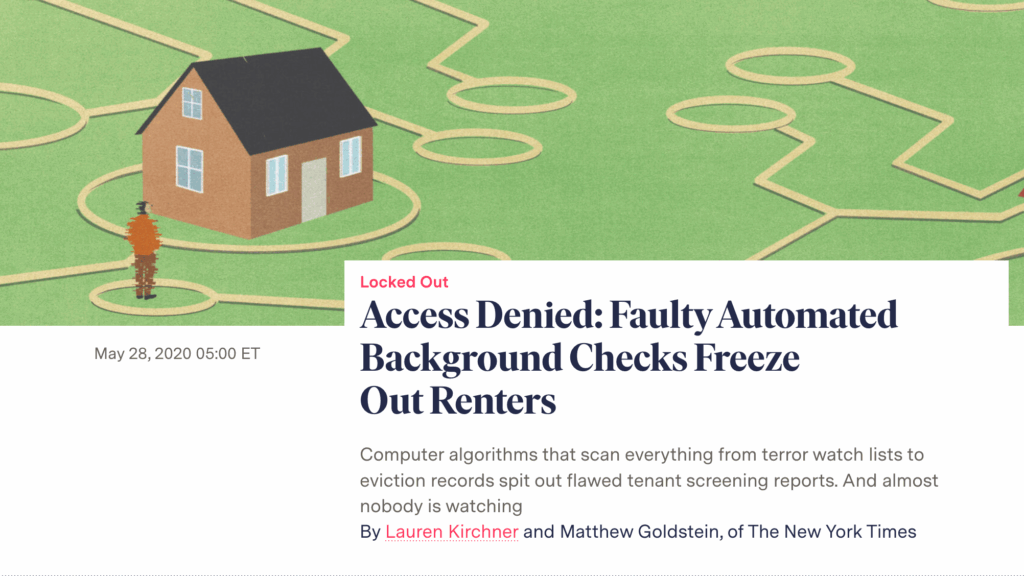
This reporting explores how algorithms used to screen prospective tenants, including those waiting for public housing, can block renters from housing based on faulty information.