This paper introduces a framework for algorithmic auditing that supports artificial intelligence system development end-to-end, to be applied throughout the internal organization development lifecycle.
ACM Conference on Fairness, Accountability, and Transparency (ACM FAccT)
These guidelines provide UK government organizations with best practices for responsibly and effectively procuring artificial intelligence (AI) systems.
This report presents findings and recommendations from a user experience study based on interviews with 156 participants enrolled in Medicaid and SNAP.
This project portfolio page details a human-centered service design partnership with the Michigan Unemployment Insurance Agency (UIA) to revitalize and streamline the state's unemployment benefits system following crisis-level strain.
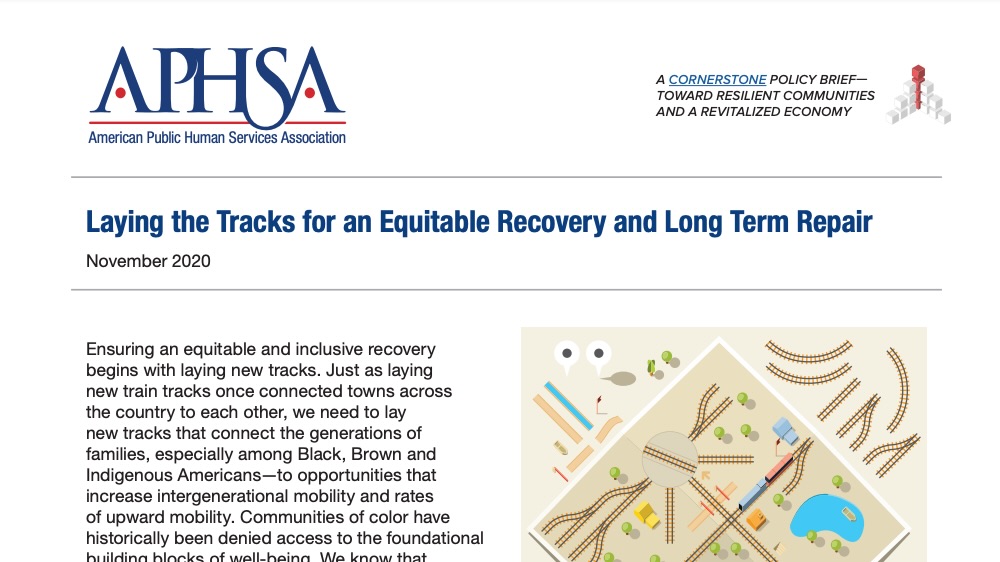
In this brief, APHSA outlines its commitment to addressing the causes of structural inequities by first illuminating structural root causes of race inequity within the context of human services. The brief outlines approaches to doing the intentional and systematic work that is required to counteract the structural barriers human services systems have fostered.
American Public Human Services Association (APHSA)
This article explores how anticipatory logics—drawing from foresight, futures thinking, and design—are shaping the future of government by creating space for innovative policy approaches, public participation, and proactive governance.
mRelief launches Johnnie, a platform that centers client dignity and enables client management from anywhere. Features include client communication mechanisms, assistance for document submission, keeping track of enrollment process, and tracking enrollment metrics.
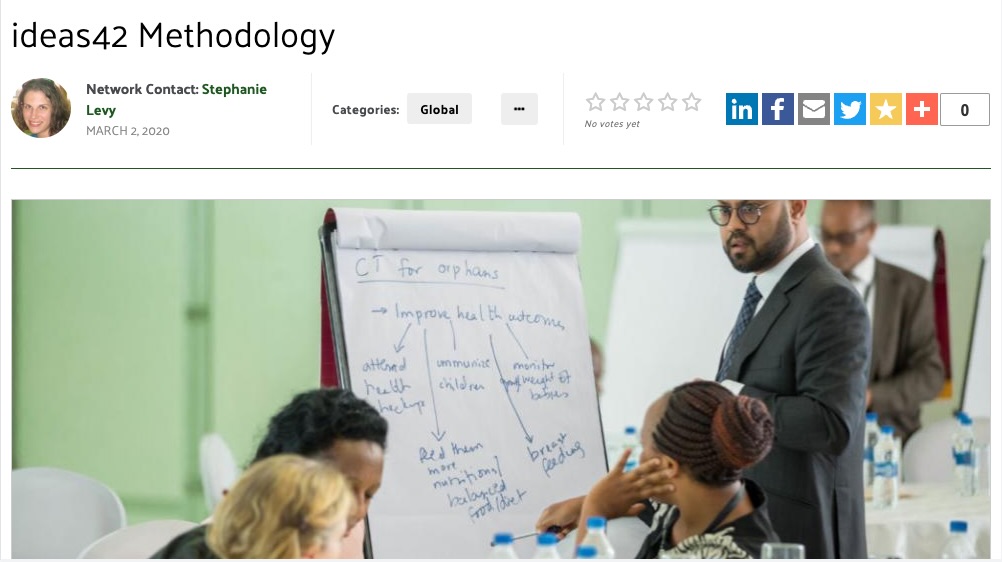
This article introduces ideas42, a non-profit behavioral research and design firm applying insights from behavioral sciences, including behavioral economics (BE), social psychology, and other disciplines, for social good. Their behavioral design methodology is human-centered, but it incorporates scientific insights and iterative testing, applying observations about how people choose and act from experimental academic research to inform qualitative research.