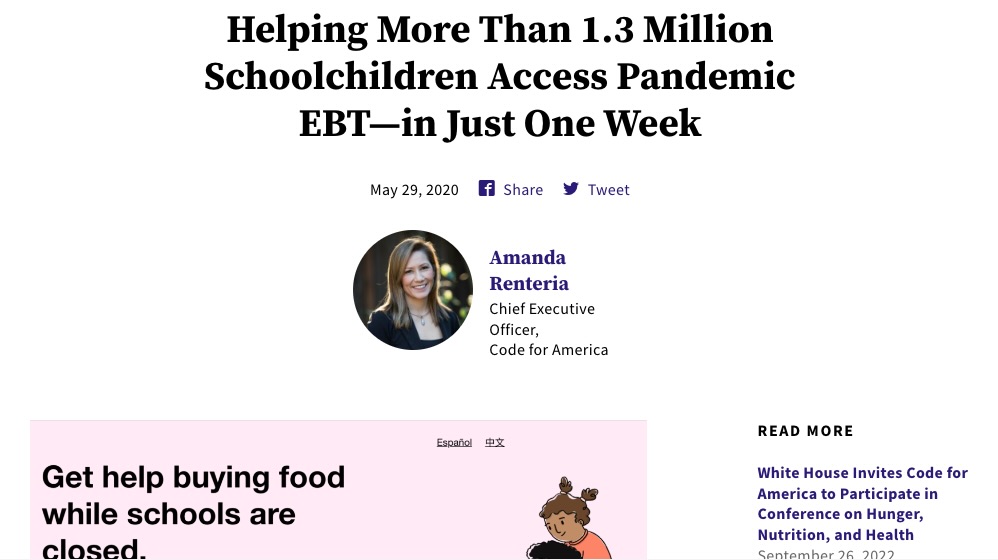
In response to the COVID-19 crisis, the federal government authorized a new emergency program, Pandemic EBT (P-EBT), to replace school meals with money for groceries while schools are closed. Code for America describes its efforts to launch an accessible, online P-EBT application under an accelerated timeline due to to immense demand caused by the pandemic.
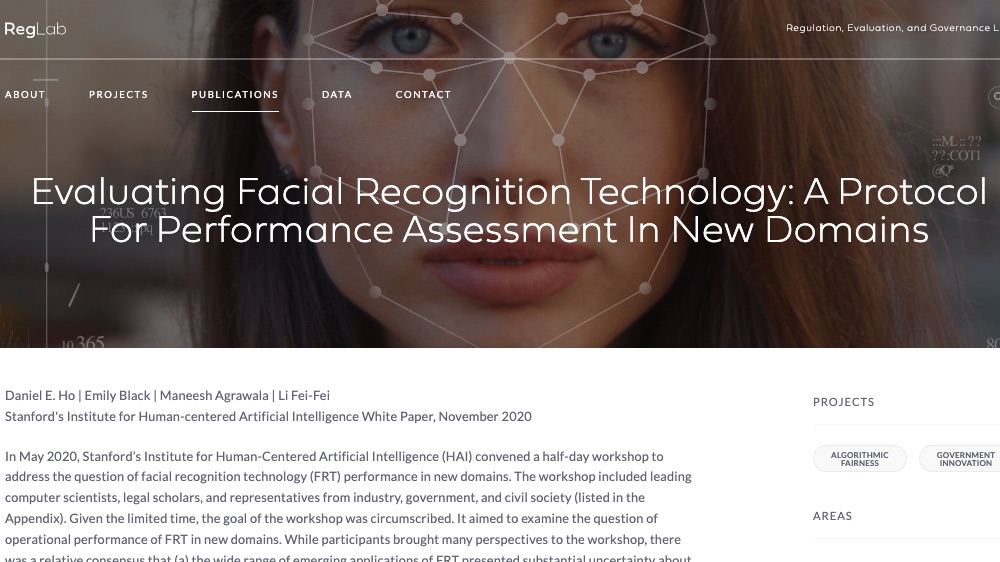
In May 2020, Stanford's HAI hosted a workshop to discuss the performance of facial recognition technologies that included leading computer scientists, legal scholars, and representatives from industry, government, and civil society. The white paper this workshop produced seeks to answer key questions in improving understandings of this rapidly changing space.
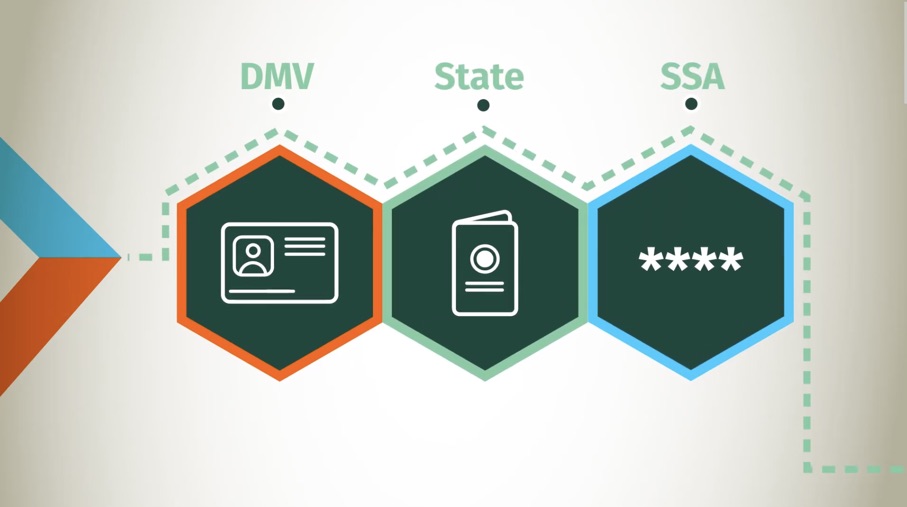
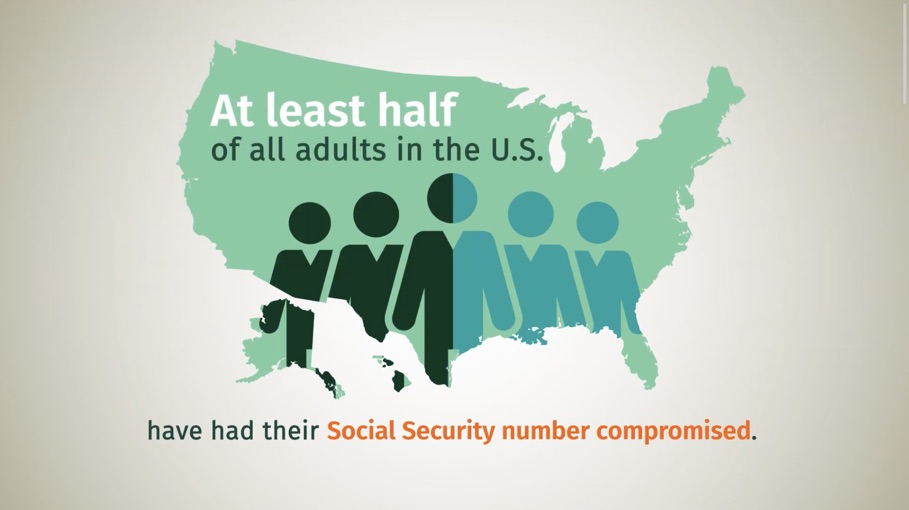
This short explainer video introduces digital identity and argues for modernizing identity systems in the United States, in partnership with government.
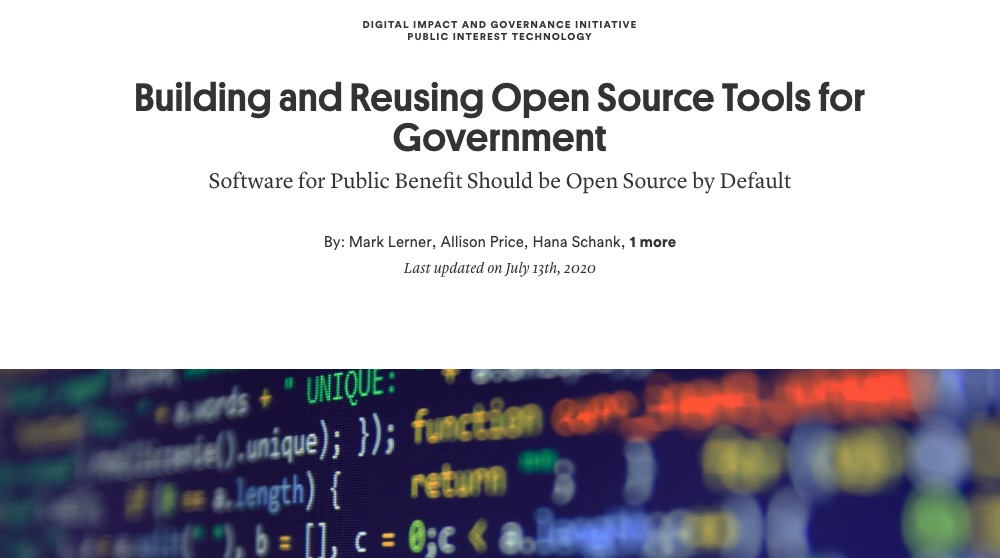
A primer by New America for government entities thinking about embracing open-source solutions. This report is based on interviews with experts in the field, the organization’s work on piloting open source projects with partners around the world, and a review of nearly 50 reports, documents, and resources on the creation and usage of open source software.
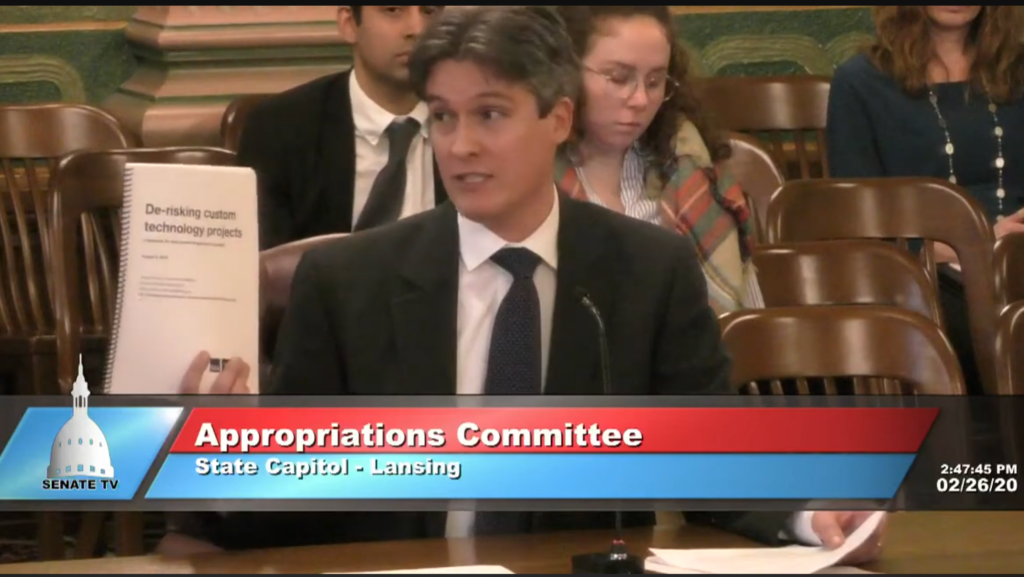
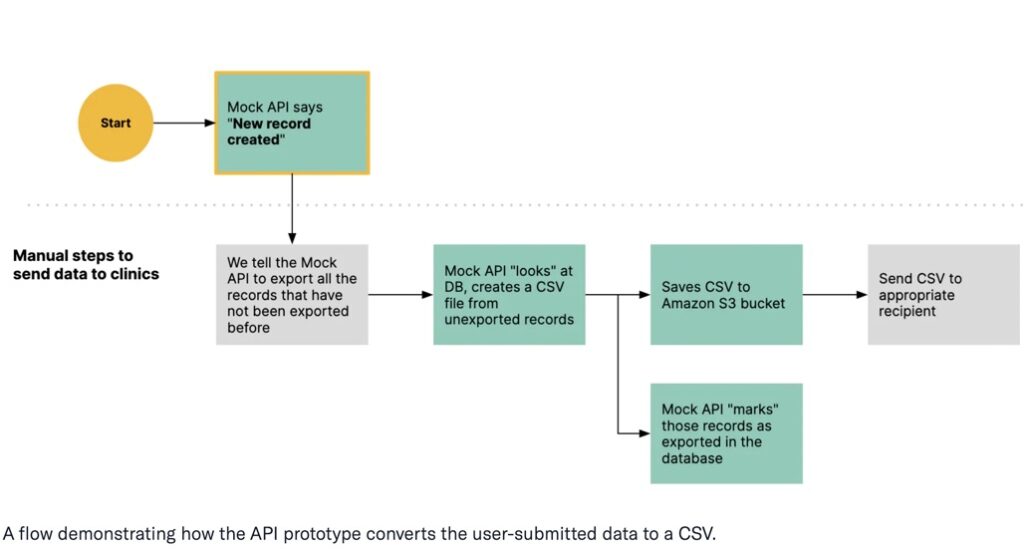
Nava PBC developed a prototype API and digital screener in Montana to streamline eligibility and enhance program access, illustrating how API standards could improve interoperability and modernize WIC systems nationwide.
Due to technology’s disruptive force in society and on the labor force, it is necessary to revisit the relationship between employees, governments, and citizens. This report asserts that the next president should immediately sign two Executive Orders (EOs) to address the current work crisis and the urgent economic emergency that has left Americans evicted, unable to pay bills, make rent, or put food on the table.
This policy brief offers recommendations to policymakers relating to the computational and human sides of facial recognition technologies based on a May 2020 workshop with leading computer scientists, legal scholars, and representatives from industry, government, and civil society
This report analyzes lawsuits that have been filed within the past 10 years arising from the use of algorithm-driven systems to assess people’s eligibility for, or the distribution of, public benefits. It identifies key insights from the various cases into what went wrong and analyzes the legal arguments that plaintiffs have used to challenge those systems in court.