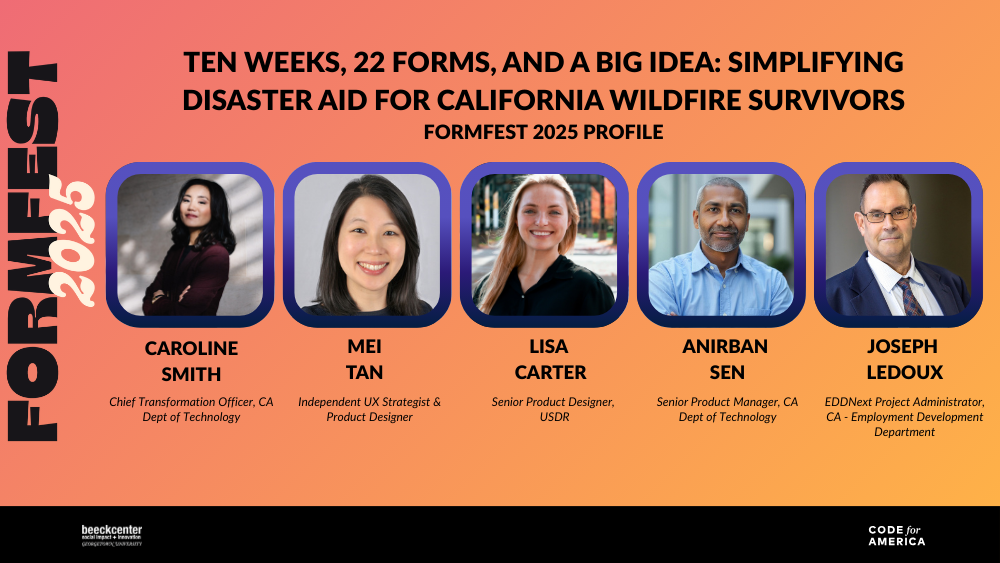
Simplifying Disaster Aid for California Wildfire Survivors: A FormFest 2025 Profile
This FormFest profile describes how California rapidly simplified disaster-aid processes for wildfire survivors by auditing 22 forms across eight agencies and developing a concept for a universal eligibility form and relief portal.
For the average person, it is typically difficult to identify what government services they are eligible for, and providing the right identity and eligibility documentation to access that service. But when belongings are destroyed in a catastrophic wildfire, it can become nearly impossible—precisely when survivors need services the most.
Disaster relief often comes down to paperwork—the documents survivors provide and the forms they fill out to prove their identity, establish ownership of items, and determine what aid they qualify for. The process is tedious, time-consuming, and usually unfolds when delays are hardest to bear. The good news is that governments have the tools to improve this. The problem is that it rarely becomes a priority until disaster strikes.
The California Department of Technology (CDT) partnered with a team of volunteers from U.S. Digital Response (USDR), a nonprofit, nonpartisan organization that partners with governments to modernize digital services, to reimagine the recovery process after the Los Angeles wildfires. They looked at 22 forms across 8 agencies and audited more than 1,000 form fields to understand how to simplify benefits applications and eligibility determination. After just 10 weeks, the group created a concept for a universal eligibility form and a disaster relief portal.
“In proposing a universal form, we’re actually proposing a series of process-level changes at the agency level by encouraging them to be more transparent in sharing information with each other,” said Lisa Carter, a user experience research volunteer with USDR and one of five key members on the project team. “We understand the weight of what we’re asking, but the full effect of the universal form experience will never be realized if we don’t get that smooth data-sharing figured out.”

Caroline Smith: Right to work
The project was trial by fire for Caroline Smith, who joined the CA Department of Technology as the Chief Transformation Officer just a month before the fires swept across Los Angeles. Initially, she had been tasked with determining which state agencies offered remote options for residents to access services without going to a physical disaster recovery center. Although some departments had that capability, others did not. This included a department that issued the replacement of vital records. The focus on forms happened organically, as Smith’s team became familiar with each department’s process.
“The pain point was clear. We were making people fill out 22 different forms across eight agencies, and they all told the same story,” she said. “And we thought, ‘Well, wouldn’t it be nice to have one common form?’”
Smith thrives in high-stakes situations like this one. She joined CDT specifically because she loves working for organizations where improving people’s lives at scale is the core mission, rather than the private sector where the bottom line can sometimes conflict with designing for everyone. Her previous experience with the U.S. Digital Service during COVID had been similarly inspiring—another all-hands-on-deck crisis response.
“It feels like every minute I’m spending is helping someone I either know personally—which was true for LA fires and COVID—or someone I can imagine is my mother, my aunt, my neighbor, my friend,” Smith said. “People in the community.”
As a former journalist, Smith approaches the work through the lens of understanding people’s stories and pain points. When user research revealed how difficult it was for some fire survivors to reach physical disaster recovery centers—they’d relocated hours away after losing their homes, were undocumented and worried about ICE presence, or simply couldn’t take time off work—the human impact became very real.
“I can’t imagine how taxing it must be to fill out your information 22 different times, or not even know what you’re eligible for,” she said. “You don’t know what you don’t know—and you’re definitely not thinking clearly when you’re in the middle of trauma.”

Mei Tan: Diving right in
Volunteers with USDR don’t necessarily have favorite projects. But if they did, Mei Tan, a user design strategist and product designer, would choose this one.
“This was actually my dream, because I love forms,” she said. “Forms are just the perfect blend of function, usability, and aesthetics, and from a technical perspective, they have really complex requirements. You’re really trying to innovate within a highly constrained space. It’s not for everyone, but some people—like me—really enjoy that sort of design work.”
This is not to say it’s easy. The California effort initially seemed overwhelming, due to the urgency of the situation and the reality of navigating and reconciling the requirements and processes of a dozen different agencies. The project’s specific scoping helped, narrowing the team’s focus to identifying redundant fields on 22 specific forms.
“The question was, could these be amalgamated to create a universal form? And you have to start by looking at the actual artifacts—the forms themselves,” Tan said. “So, we just [dove] in.”
Tan is an accomplished diver, at least in the context of the “deep dive,” or immersing one in the minutiae of a new topic. This is, in part, why she became a user design strategist and product designer—that, and sourdough.
“My first job was working at a sourdough bakery that didn’t have a marketing team,” she said. “I ran their baking school, so I was doing classes and planning excursions and putting all of this content out online and generating an audience for it. It involved speaking to a lot of people and creating a narrative, and you have to do both of those things in the product design and user experience space.”
To scrutinize California’s forms, Tan also donned her “investigative hat,” digging into the rationale behind certain fields to see how each one fit into the larger picture. The resulting research was incorporated into the group’s final report, which proposed a universal form based on six distinct types of information—including fields like identity verification and disaster assessment—and incorporated best practices for design features like headers and footers.
“This is what’s nice about being a designer,” Tan said. “You get to take what you learn and then create the story through structure, or animation, or layout. You’re taking creation to the next level, which is what I love. I truly just love what I do.”
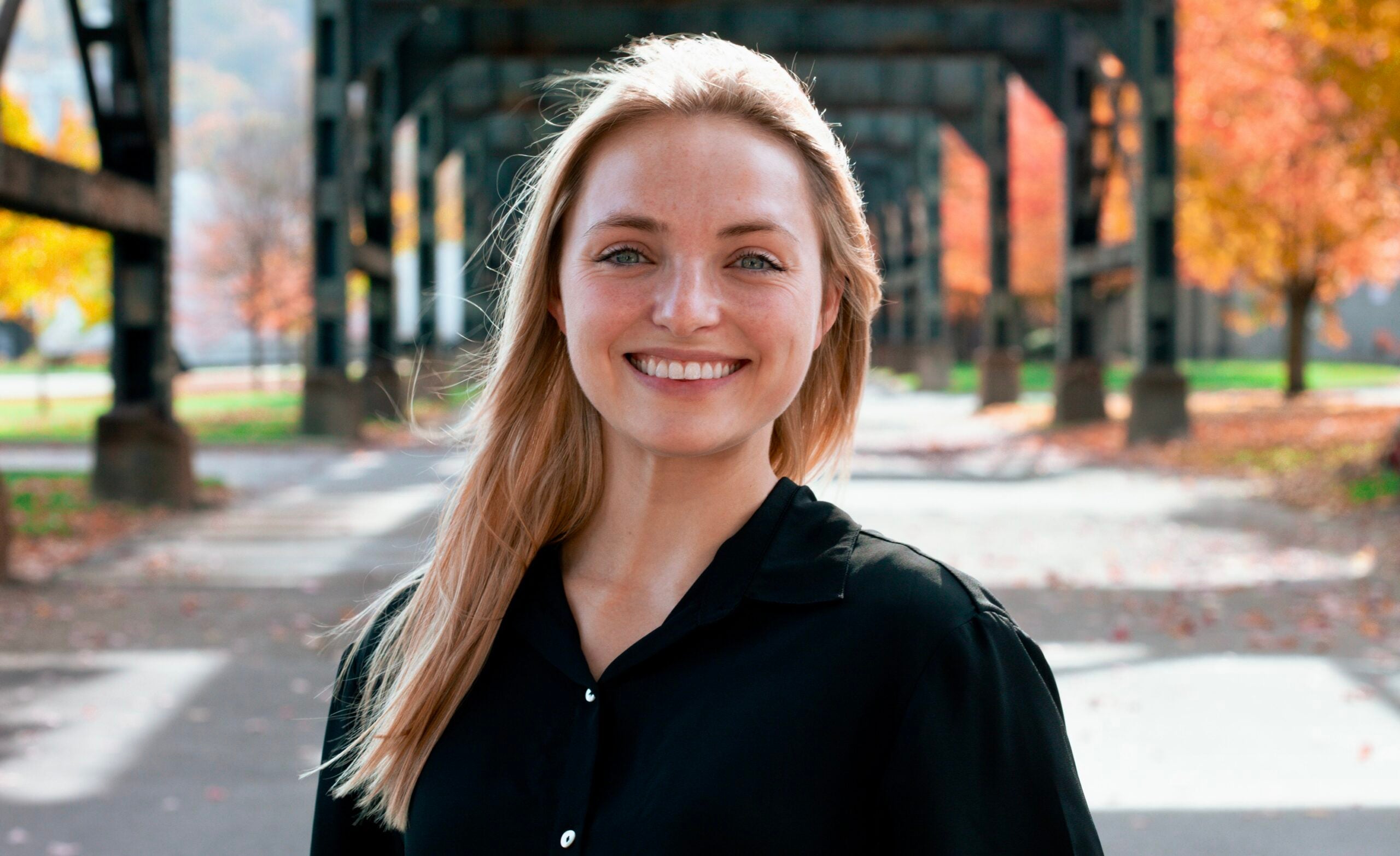
Lisa Carter: Empathy and inventions
Lisa Carter, Senior Product Designer, came to the CDT project with the relevant experience. Weeks earlier, she had finished helping Pasadena, California restructure its website to help residents more easily locate up-to-date information about wildfires. Forms were a different area, but the basic problem was the same.
“We were, essentially, helping wildfire survivors find the information they needed,” she said. “It was definitely relevant experience. It was also an interesting information architecture problem—and the meat of diving into all these forms and figuring them out is just a dream user experience problem.”
In this case, there were two groups of users: The residents applying for benefits, and the government employees processing their applications. Carter gave both equal weight, leaning on her work in Pasadena and her general commitment to incorporating empathy into design. Small changes can make a big difference, but they can also be a big lift for agency staff, she said.
“The solution isn’t to have a big tech company come in and build your forms,” she said. “Having worked with government clients before, we understand why it’s such a challenge to put this in place, and that’s why we made sure that our final recommendations had ‘mini goals’ that could be accomplished without having to redo an entire system.”
“The whole point is to get people access to the services they need,” she said. “If you can design a form correctly, you’re lowering the barrier to services that everyone should have access to. It may just be a form, but the form is the difference between getting help and not getting help, and I just think that’s powerful.”
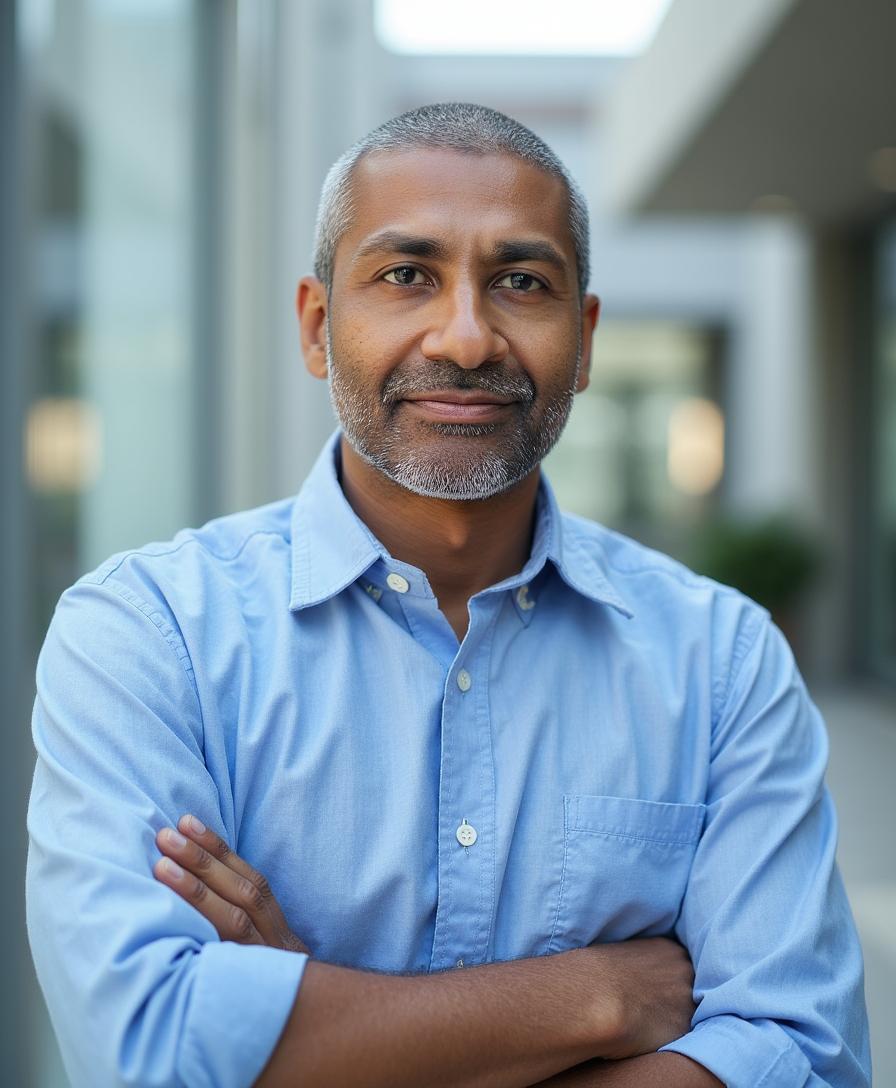
Anirban Sen: ‘Why’ over ‘what’
In the months before the wildfires, CDT Senior Product Manager, Anirban Sen, had been working to help state agencies incorporate online identity and attribute verification into their service delivery platforms. It was a simple but significant shift toward digitizing a process which traditionally required reams of hand-processed paperwork, typically filed away in a desk drawer in someone’s office.
“[W]e just decided to do away with all of that,” said Sen. “My mission prior to January was to expand that solution to all of our state departments.”
It was an auspicious assignment. Once the fires hit, Sen shifted his focus, looking for ways to help affected residents access disaster benefits online. It turned out the process relied heavily on identity verification.
“So much of this required a birth certificate, which many people had lost in the fire,” he said. “Under normal circumstances to replace a birth certificate, you’d fill out an application, which has to be notarized, and is then entered manually into a database by someone else. Obviously, this was one of the top needs, and we just thought, ‘There’s gotta be a better way to do this.’”
Sen’s team devised a solution: an online portal that verified identity and also confirmed benefit eligibility by checking each resident’s ZIP code against a list of fire-affected areas. Qualifying residents could then fill out an application online, which would then convert automatically to a PDF and forward the document to the corresponding agency. It was a targeted solution for a specific problem—precisely what Sen prefers.
“A lot of what we do in tech is telling stories about the ‘what.’ Right now, it’s [artificial intelligence or] AI, or the new iPhone, but I think it’s more important to talk about the ‘why,’” he said. “Why do you need to do these things? Why is this important to you? That’s the story I’m interested in telling.”
Public service lends itself more readily to those stories than the private sector, where projects are often based on an ability to generate profits, Sen said.
“After a certain number of years, I became very jaded about that,” he said. “A project might get the company an additional million dollars on their bottom line, but how is it really impacting the average person on the street? I wanted to do something that was actually going to make an impact on people’s lives. And I do actually go home every day with a sense that I have moved something forward for Californians.”
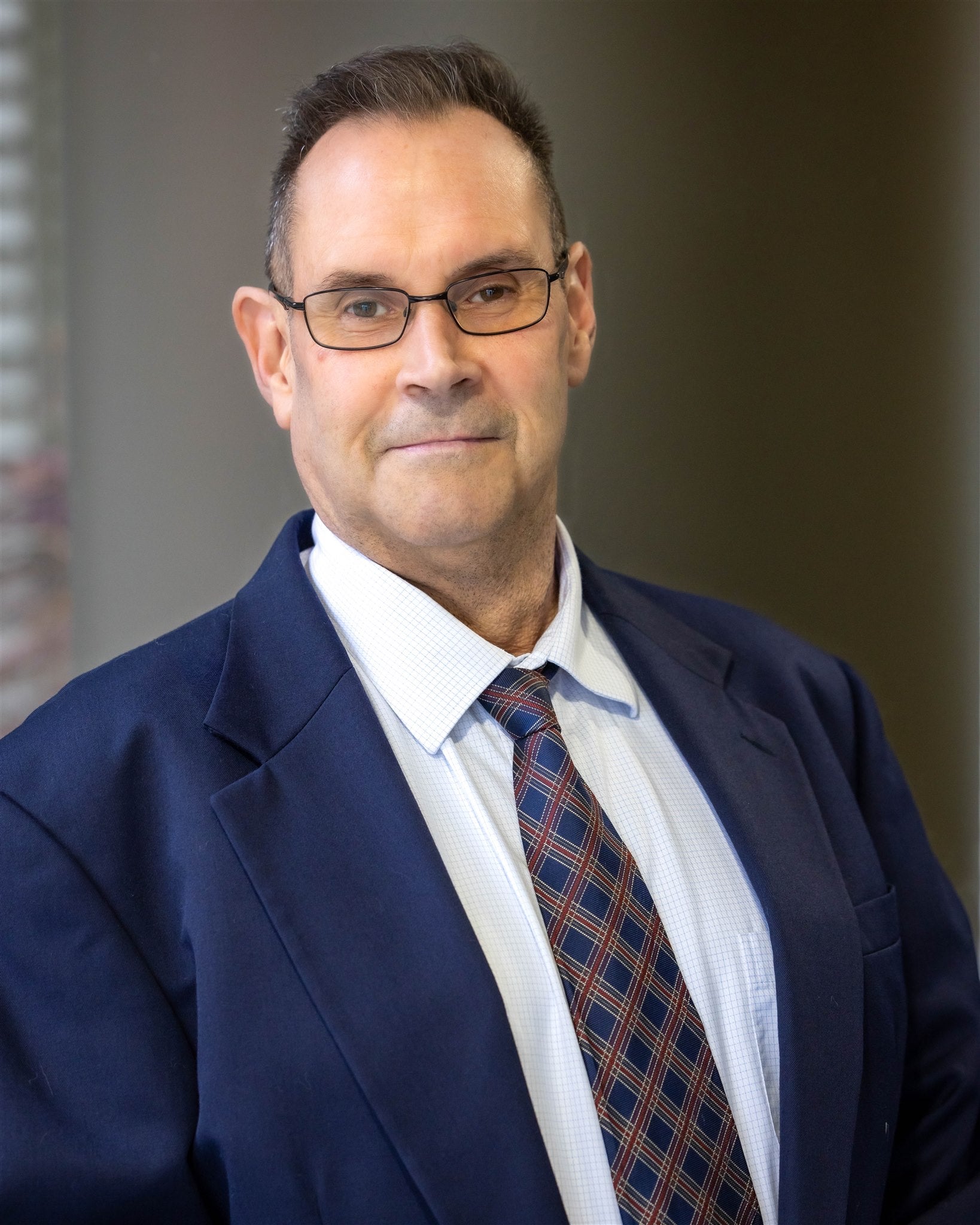
Joseph Ledoux: A big help
At its core, the team’s work aimed to dismantle longstanding information silos by harnessing the strengths of individual agencies. No single department could do it alone, but together, it was possible. According to the California Employment Development Department (EDD) EDDNext Project Administrator, Joseph Ledoux, it’s still a work in progress, though it’s increasingly clear what’s needed to move forward.
“We need a statewide community of practice or an ongoing user group,” said Ledoux, a project administrator for California’s broader effort to streamline customer experience. “We, as a state, need a holistic understanding of the user’s journey across agencies, [including] identification of redundancies and opportunities for data-sharing and understanding… regulatory and policy drivers for each field.”
The user’s perspective is always front and center for Ledoux, who approached the project with the mindset of a resident expecting the same intuitive, fast, and simple standard of service that they found at a bank, online retailer, or airline.
“My experience is like everyone else: How would I feel as a consumer?” he said. “People have come to expect an Apple Pay or Amazon experience, and improving on that experience should be our goal.”
“I love helping people,” he added. This is true regardless of whether he’s tending to his 50-plus hive of bees, coaching the swim team, or spending time with his family.
“There is a deeply personal satisfaction that comes from serving others and contributing to the common good,” he said. “It is a fundamental and enduring reason I stay in public service, even in the face of the bureaucratic challenges.”
Watch the Session Recording:
Reimagining Disaster Recovery: A New Model for Public Forms
See how California reimagined disaster recovery by auditing 22 forms across eight agencies to design a unified application experience.
FormFest 2025
FormFest is a free virtual event showcasing governments working to make services accessible to everyone through online forms. Discover best practices and tools that are shaping the future of form design and service delivery.