This benefits protection toolkit is a step-by-step guide to develop and integrate a benefits protection strategy into your Direct Cash Transfer (DCT) program design. This toolkit includes a set of customizable templates, letters, and other tools which should be downloaded and modified for your pilot and local context.
A modernized public benefits system would better serve program participants, administrators, policy makers, and taxpayers. This paper proposes a set of principles both define the desired future state and outline the values that shape decision making along the way. Practices describe the processes needed to achieve modernization.
The COVID Response Project was funded by the W.K. Kellogg Foundation to document the real-time impacts of the COVID-19 pandemic on state human services agencies and capture state perspectives on lessons learned to guide future federal policymaking and state implementation. The project was completed by the American Public Human Services Association (APHSA) in partnership with the U.S. Department of Health and Human Services, Administration for Children and Families (ACF), Office of Regional Operations. Insights from the report reflect information obtained through APHSA’s on-going support of state human services agencies’ COVID-19 response efforts as well as a series of in-depth interviews with executive leadership of the 14 state health and human services agencies in ACF’s Region 1 (New England) and Region 4 (Southeast) areas.
American Public Human Services Association (APHSA)
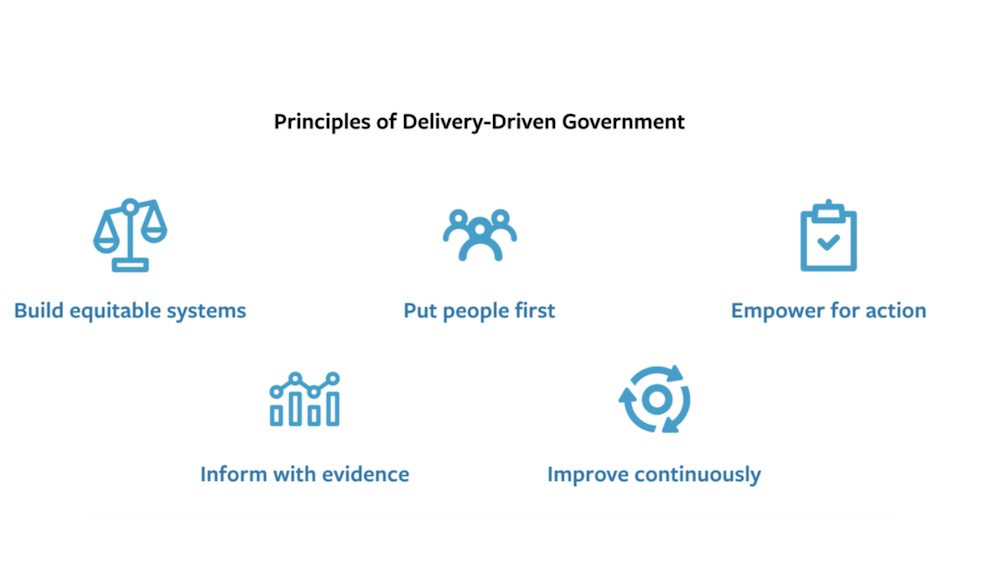
Code for America initially introduced the concept of Delivery-Driven Government in 2018. This article refreshes its original principles and expands on what the organization has learned to make its concepts clearer.
The report discusses how state Medicaid agencies can enhance efficiency and maintain coverage for eligible individuals by implementing ex parte renewals, which automatically renew beneficiaries' coverage using existing data without requiring action from enrollees.
This toolkit is designed to assist state and local TANF agencies in accessing, linking, and analyzing employment data from unemployment insurance (UI) systems.
This report provides specific actions the federal government could take to reduce identity fraud and establish a whole-of-government victim redress approach.
The Electronic Privacy Information Center (EPIC) emphasizes the necessity of adopting broad regulatory definitions for automated decision-making systems (ADS) to ensure comprehensive oversight and protection against potential harms.
This report outlines the guiding principles, policy priorities, and tools for the National Collaborative for Integration of Health and Human Services, aimed at improving health and well-being outcomes through the integration of health care and human services programs.
American Public Human Services Association (APHSA)