This blog post serves as a guide for state agencies to develop flexible and actionable metrics systems for tracking the implementation and impact of new work requirements under H.R. 1.
Practitioner Picks is a quarterly series designed to add fresh resources to the Digital Government Hub’s library, helping people improve government digital service delivery. Each issue spotlights resources chosen by practitioners in a specific service delivery area along with their insights on why these picks are valuable additions to the Hub.
The Digital Benefits Network's second Digital Identity Community of Practice quarterly call centered exploring client support models in digital identity and an update on the Balance ID project.
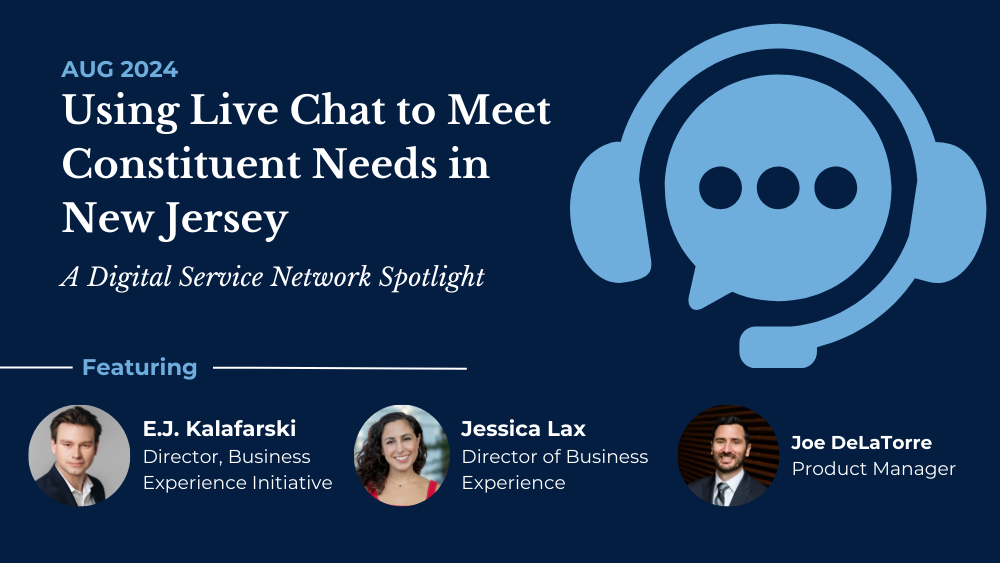
The Digital Services Network (DSN) spoke with the director of OOI’s Business Experience Initiative, E.J. Kalafarski, the director of Business Experience for the State, Jessica Lax, and product manager, Joe DeLaTorre, to learn about Business.NJ.gov’s live chat feature.
The Temporary Assistance for Needy Families (TANF) Data Collaborative Pilot Initiative is a component of the TANF Data Innovation project. The 30-month pilot offered technical assistance and training to support cross-disciplinary teams of staff at eight state and county TANF programs in the routine use of TANF and other administrative data to inform policy and practice.
This case study highlights a collaborative effort to enhance Nevada’s unemployment insurance (UI) program by simplifying claimant-facing communications and improving user experiences through behavioral science and human-centered design.
National Association of State Workforce Agencies (NASWA)
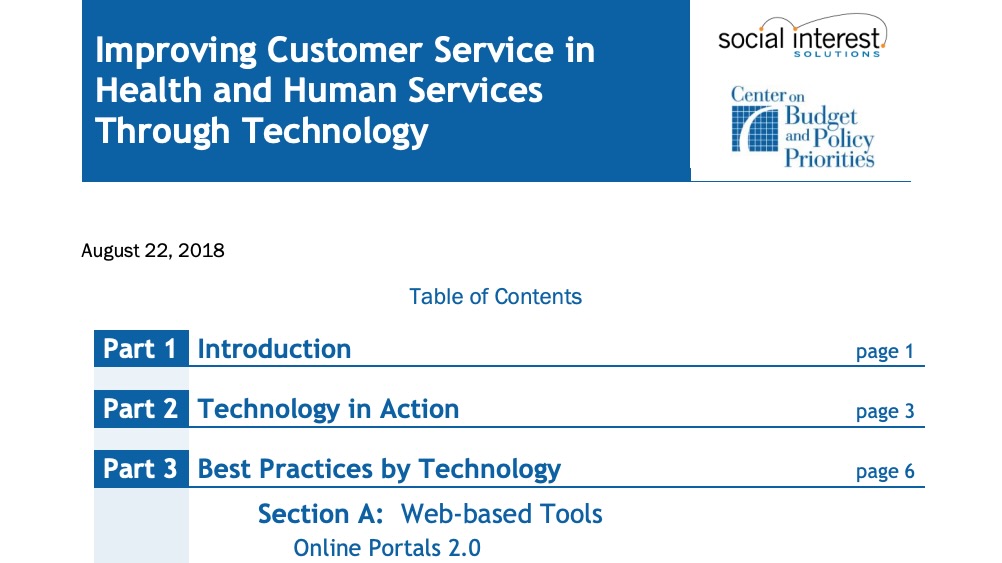
This report explores how state and local agencies can enhance customer service in health and human services by implementing technologies such as web-based tools, mobile applications, and call center innovations, aiming to streamline processes and improve client interactions.
Temporary Assistance for Needy Families (TANF) leaders, policymakers, and researchers all recognize the need for TANF agencies to use the data they collect to better understand how well their programs are working and how to improve them, given the impact on the families they serve. It is often difficult, however, for agencies already stretched to capacity to prioritize and execute data use and analytics. State TANF leaders are seeking roadmaps for how to transform their organizations and become data-driven.
This guide touches on everything from Code for America’s core research philosophy, to our approach to ethics and trauma-informed research, to specific research methods. It also includes plenty of practical tips on planning and executing research, as well as how to synthesize your findings into action.