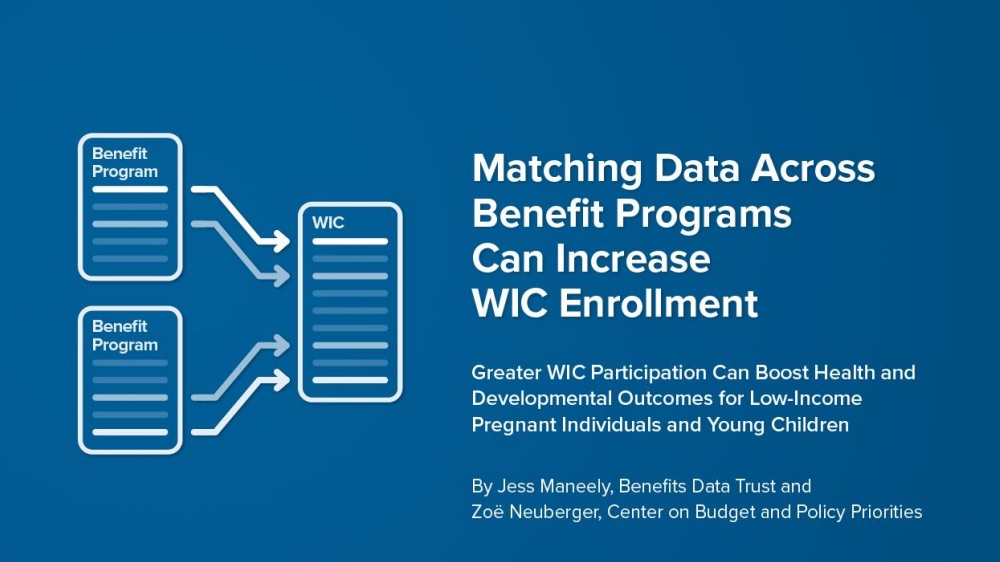
This case study highlights how states used data sharing and targeted outreach to boost WIC enrollment among Medicaid and SNAP participants, improving program reach and reducing disparities.
An event recap from one of FormFest 2025’s breakout sessions featuring speakers from Code for America and Arizona’s Department of Economic Security (DES).
This report by EPIC investigates how automated decision-making (ADM) systems are used across Washington, D.C.’s public services and the resulting impacts on equity, privacy, and access to benefits.
Understanding the strengths and weaknesses of the available low-code/no-code tools will help you pick the right tool for the job and balance their sometimes significant weaknesses with their tremendously valuable strengths.
The New Mexico Human Services Department and Department of Health, as part of the Coordinating SNAP & Nutrition Supports program, leveraged data sharing to align SNAP, Medicaid, TANF, and WIC.
American Public Human Services Association (APHSA)
As a part of Benefit Data Trust (BDT)’s Medicaid Churn Learning Collaborative, BDT has created a memo describing strategies for states to collect current mailing addresses of Medicaid beneficiaries in advance of the Medicaid continuous coverage requirement — in effect under the federal public health emergency — unwinding.