This resource provides guidance on streamlining enrollment across public benefit programs to improve efficiency, reduce administrative burdens, and enhance access for eligible individuals and families.
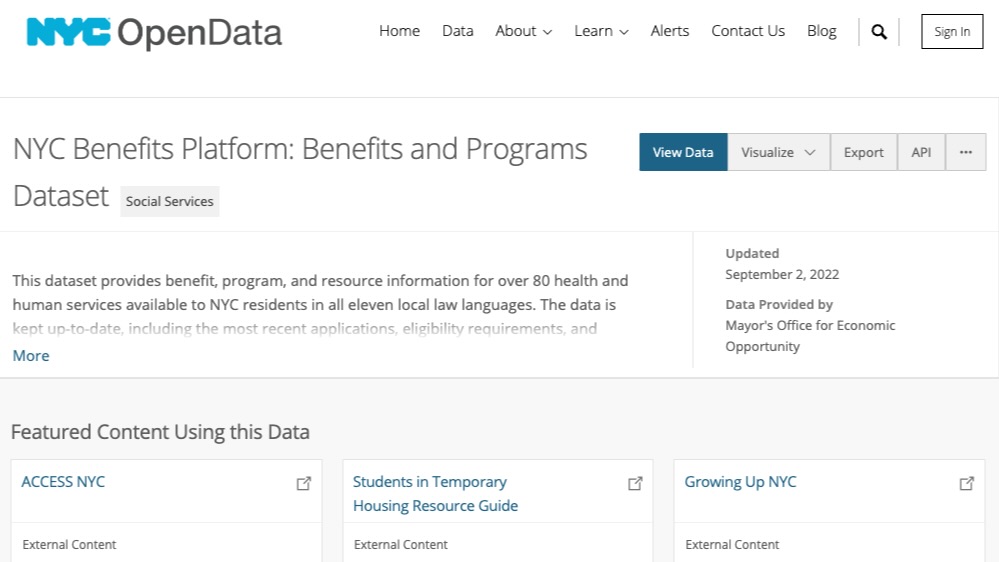
Data provided by the NYC Mayor’s Office for Economic Opportunity regarding benefit, program, and resource information for over 80 health and human services available to NYC residents in all eleven local law languages.
Hennepin County, Minnesota, implemented an online application system for child care assistance, resulting in increased applications, faster benefit distribution, and reduced administrative burdens.
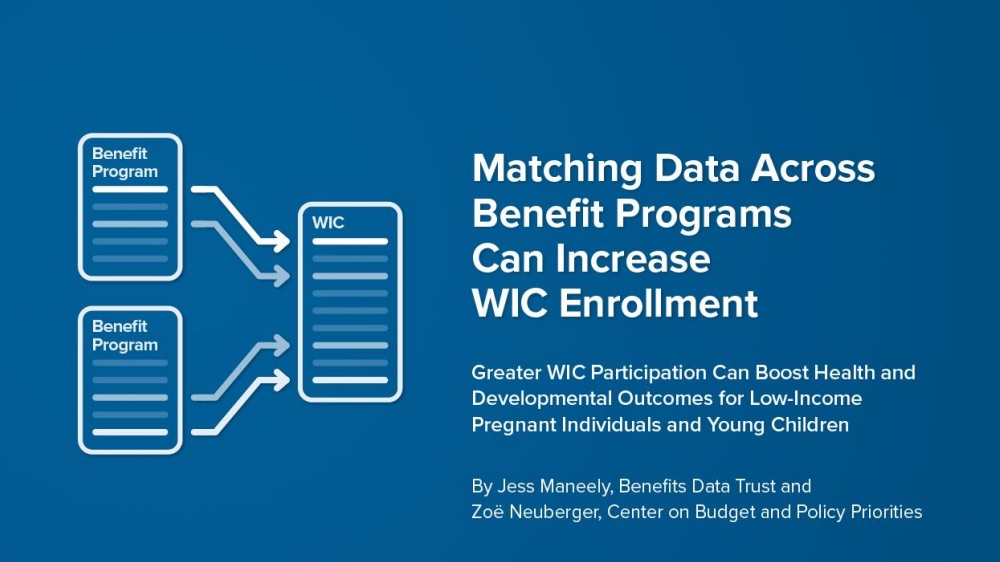
This case study highlights how states used data sharing and targeted outreach to boost WIC enrollment among Medicaid and SNAP participants, improving program reach and reducing disparities.
Well-designed, user-focused tools that allow for simple application are key to ensuring that families most in need receive the Child Tax Credit. Reaching these households will require a robust effort from the IRS to create user-friendly tools in partnership with organizations with a direct connection to eligible recipients.
This report examines the phenomenon of "churn" in public benefit programs, where eligible participants temporarily lose benefits due to administrative processes, analyzing its impact on both recipients and state agencies, and suggesting strategies to reduce its occurrence.
This toolkit provides guidance for state and local WIC agencies on implementing digital tools to enhance participant engagement and streamline program operations.
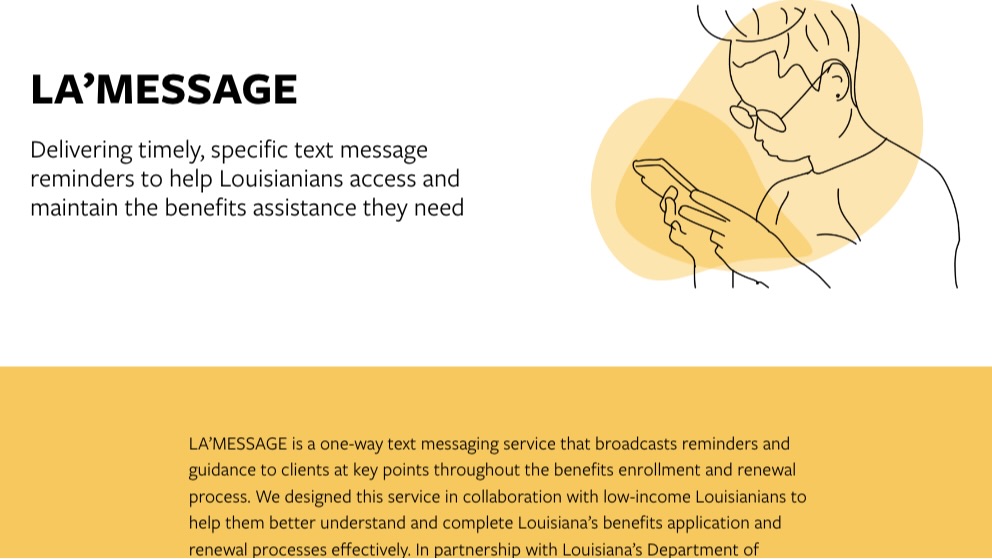
LA’MESSAGE is a one-way text messaging service developed by Code for America in partnership with Louisiana to broadcast reminders and guidance to residents enrolled in and eligible for SNAP, Medicaid, TANF, and WIC at key points throughout the benefits enrollment and renewal process.
Code for America offers government agencies a general overview of getting started with implementing text messaging services for clear, responsive communication during the COVID-19 pandemic.