The Medicaid Renewals Playbook offers strategies for technologists assisting states in streamlining Medicaid renewal processes during the COVID-19 Public Health Emergency unwinding.
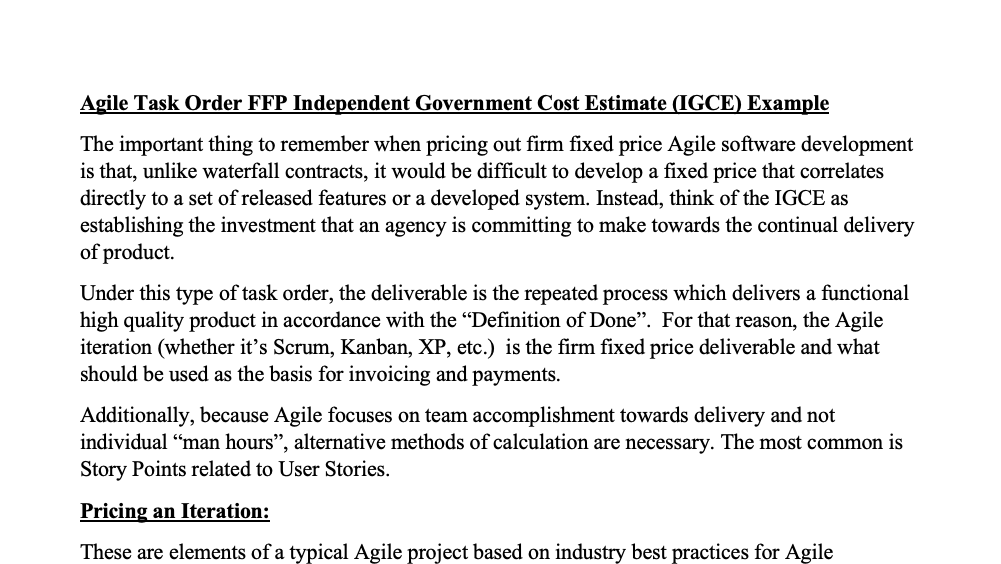
A practical example showing how to estimate and structure firm-fixed-price costs for agile software development task orders using iteration-based pricing and performance metrics.
A four-part U.S. Digital Service blog series detailing how the federal “Birth of a Child and Early Childhood” Life Experience team used human-centered design to improve benefit access, peer support, and maternal mental health services for families with children ages 0–5.
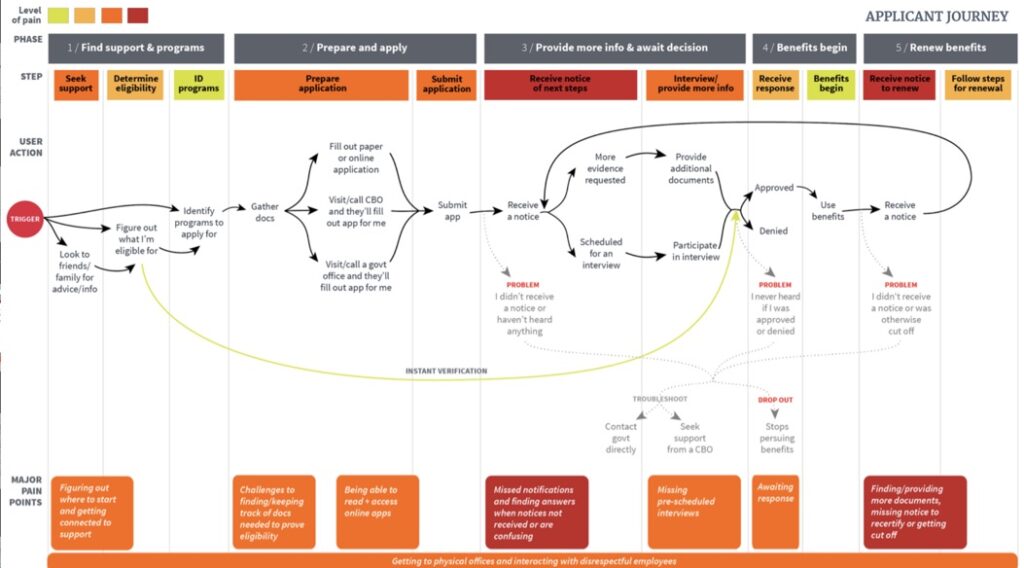
Applicants to federal aid programs face numerous barriers in accessing benefits they are eligible for. The Centers for Medicaid and Medicare conducted an extensive qualitative user research study to better understand applicant experience in enrolling in public assistance programs. Based on the results, the study emphasizes the need for simplified, streamlined and less burdensome application processes.
This blog discusses the importance of phased rollouts for government software products, emphasizing the benefits of starting small, gathering real-world user feedback, and resolving issues before a full public release.
A practical playbook for designing and running technical challenges in procurement to evaluate vendors’ real-world problem-solving ability rather than just written proposals.
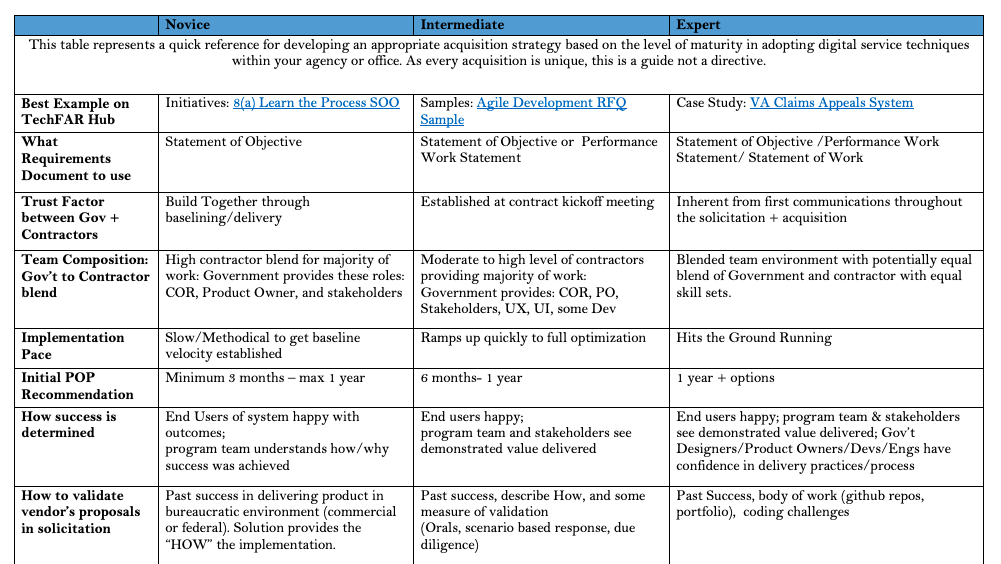
A practical guide that helps agencies choose appropriate acquisition strategies for digital projects based on their maturity with modern delivery practices.
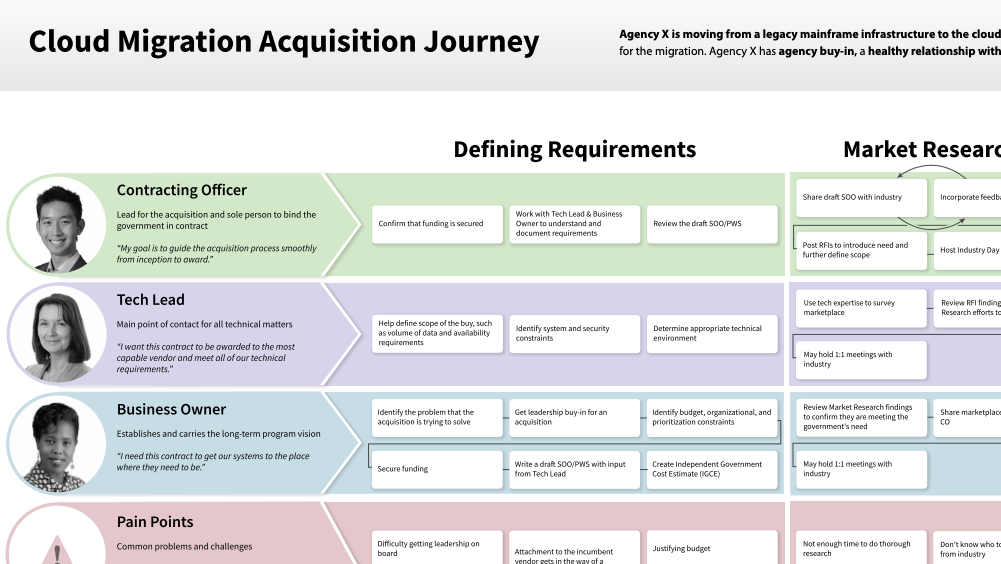
A visual journey map that outlines the end-to-end steps, roles, and decisions involved in procuring cloud migration support services for modernizing a legacy system.
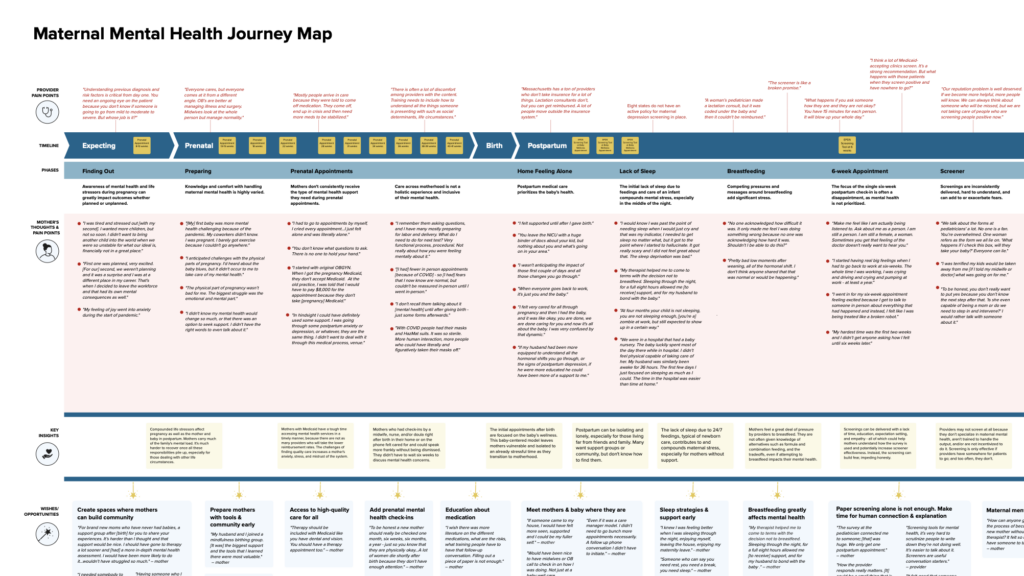
This research visualizes the complex emotional and clinical stages of the maternal mental health experience, from initial pregnancy through postpartum recovery and the return to work.
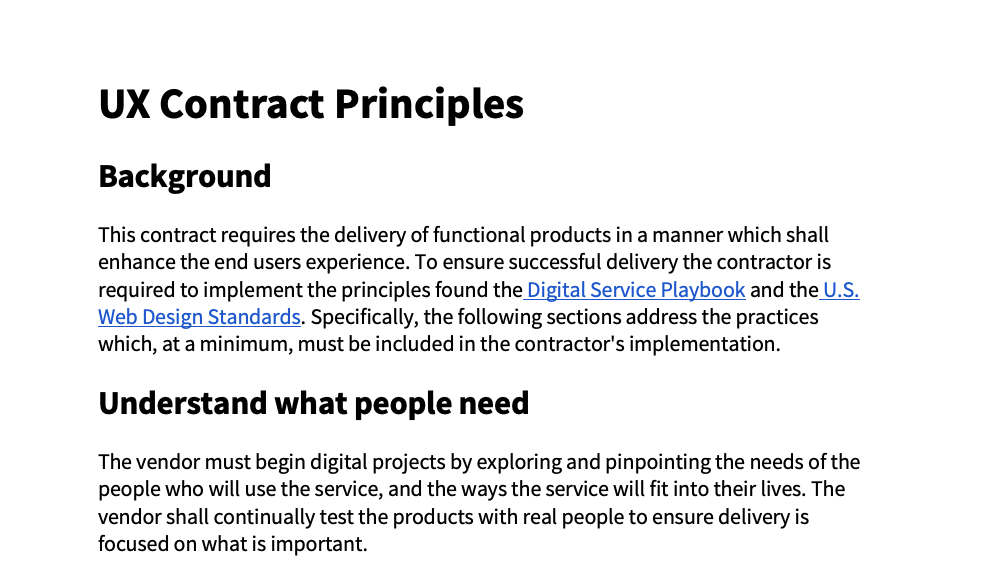
A set of contract-ready principles and requirements that define how vendors must deliver user-centered, accessible, and data-informed digital services.