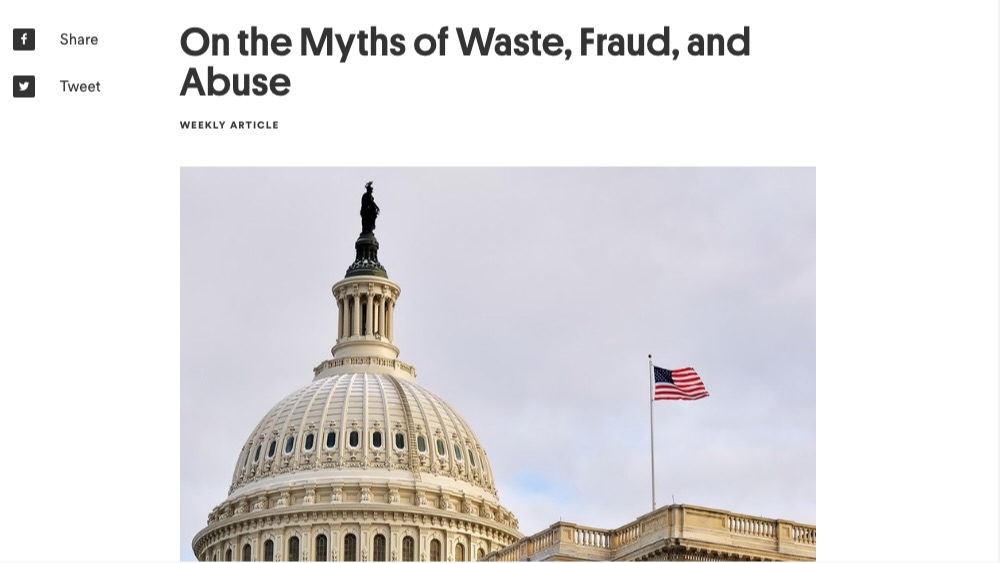
Though the rhetoric of “waste, fraud, and abuse” is ubiquitous when it comes to welfare programs, low-income households receive little relief from benefits programs. Most efforts to make public benefits systems more “efficient” actually just waste time and money in practice. They instead serve to stigmatize low-income families and chip away at the little assistance that remains available to them.
Tech Talent Project has partnered with American Enterprise Institute, the Beeck Center for Social Impact + Innovation at Georgetown University and New America to release a series of memos to help states make quick, meaningful progress in building technical capacity while avoiding past pitfalls.
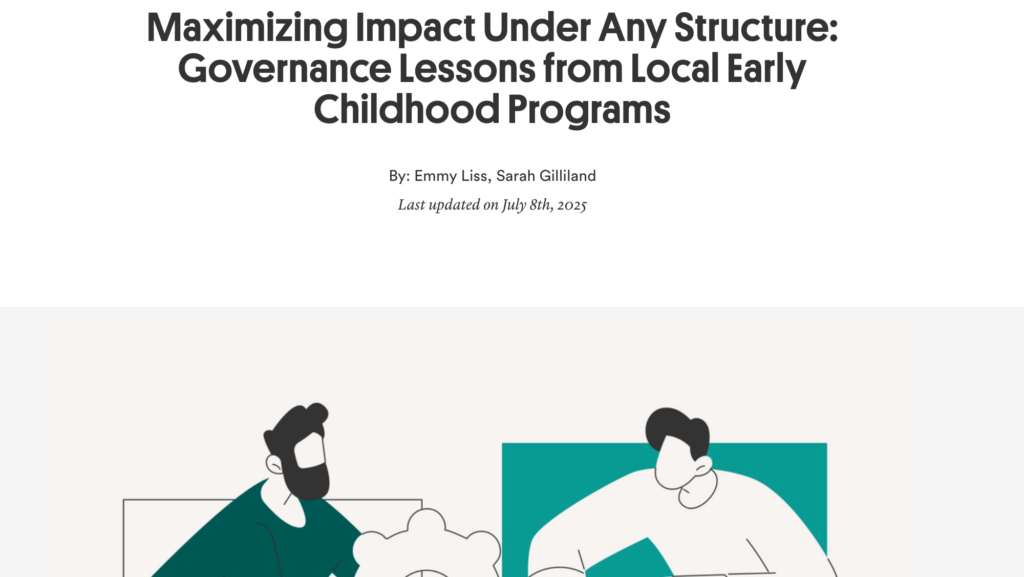
A research report that defines different local early childhood governance models and explains how communities can choose and design governance structures to support effective early care and education systems.
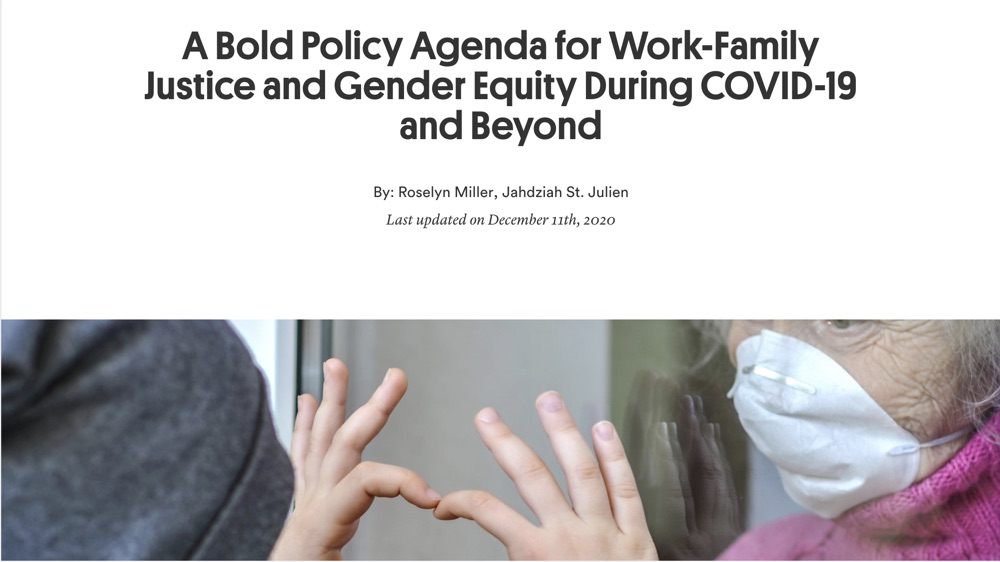
New America spoke to to the people at the frontlines of the pandemic—professional caregivers, family caregivers, parents, and essential workers—to understand the policy interventions people need most. This report discusses ideas for policymakers, private sector leaders, and community innovators to use in pursuit of work-family justice and equity across race, gender, and class.