Digitizing public benefits policy will make the biggest impact for administrators and Americans, but only if it happens at the highest level of government.
As they transition to providing more services online, there are ways governments can get creative working around talent shortages and entrenched bureaucracies.
This piece highlights promising design patterns for account creation and identity proofing in public benefits applications. The publication also identifies areas where additional evidence, resources, and coordinated federal guidance may help support equitable implementations of authentication and identity proofing, enabling agencies to balance access and security.
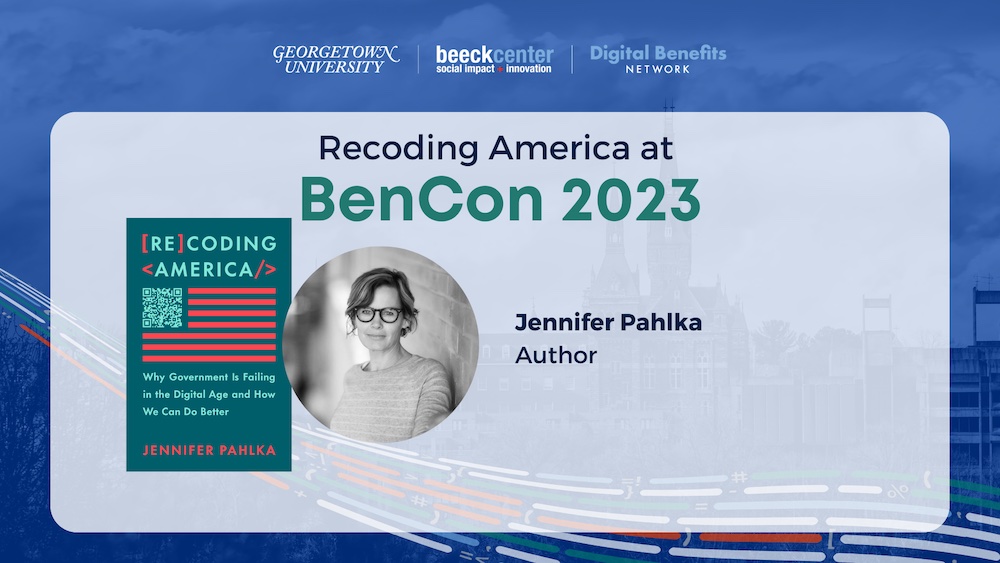
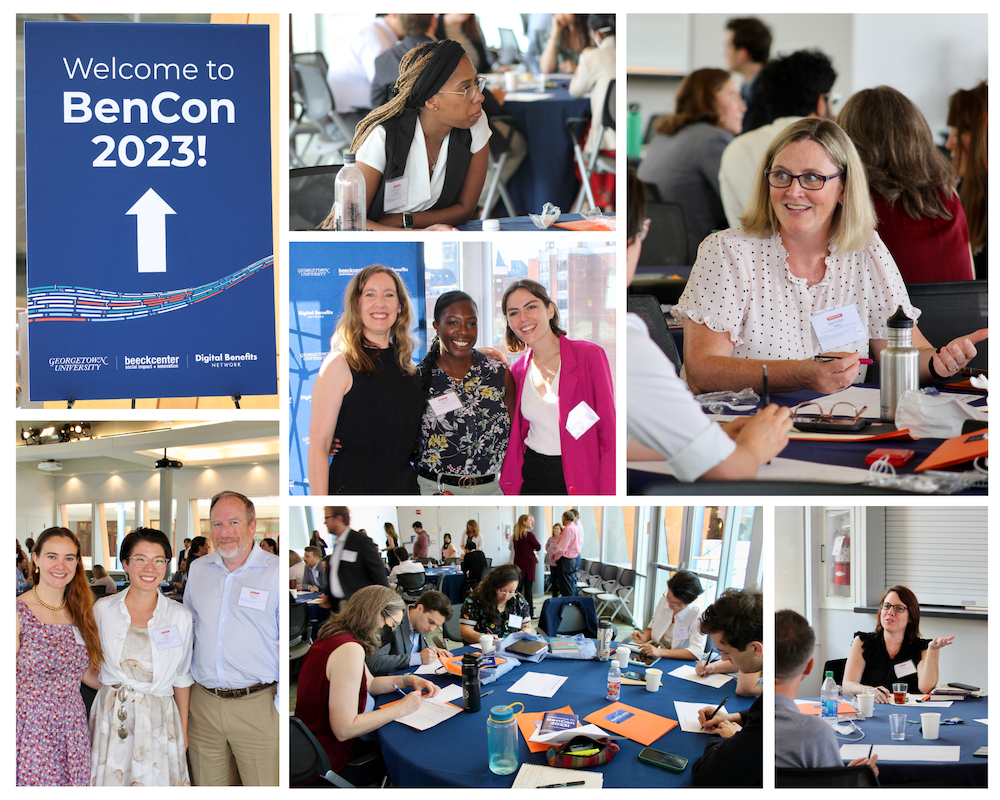
Jennifer Pahlka, Deputy CTO in President Obama’s Administration and author, shares her new book, Recoding America on how government must be equipped for digital delivery in order to meet ambitious policy goals. This video was recorded at the Digital Benefits Conference (BenCon) at Georgetown University on June 14, 2023.
The article discusses key takeaways from BenCon 2023, highlighting the importance of creating equitable and ethical public benefits technology. It emphasizes the need for tech solutions that address systemic inequalities, ensure accessibility, and promote inclusivity for underserved communities in accessing public services.
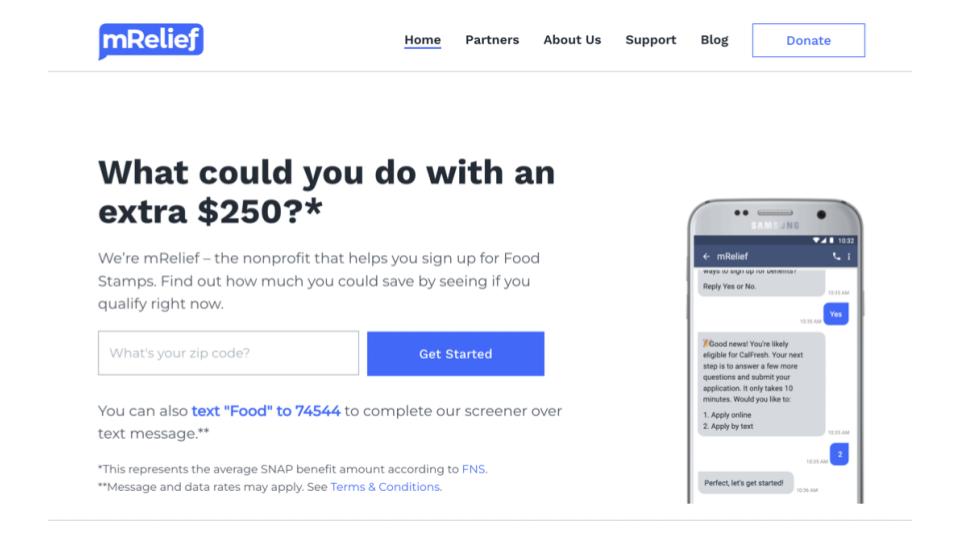
mRelief is a nonprofit that helps individuals in all 53 U.S. states and territories determine SNAP eligibility and apply using easy-to-use web and text tools. Their simplified, inclusive approach has supported over 2.7 million people and unlocked over $1 billion in benefits, focusing on minimizing barriers and adapting eligibility rules across states.
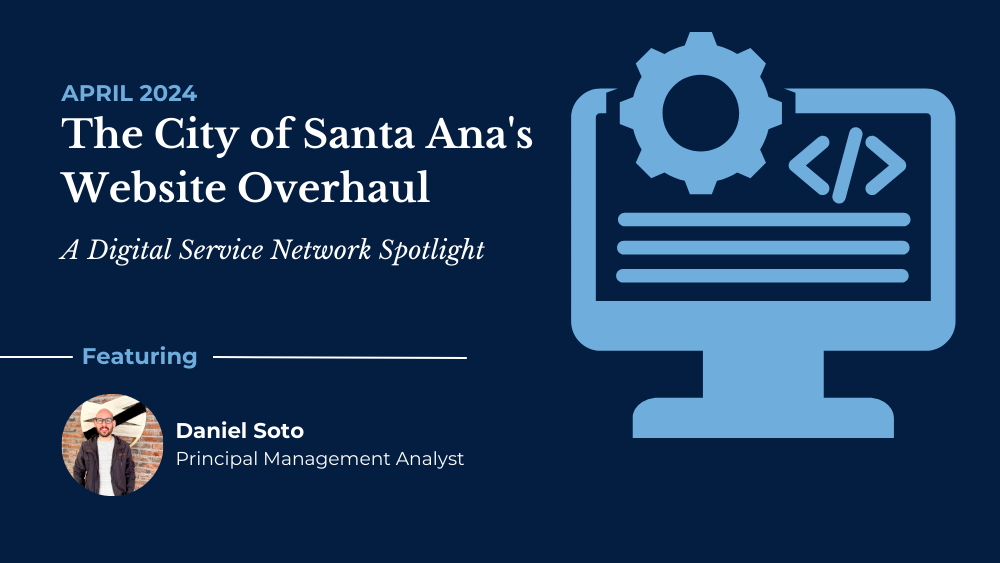
The Digital Service Network (DSN) spoke with Daniel Soto, principal management analyst at the City of Santa Ana, to learn more about how digital service innovation can occur in government organizations without formally codified or centralized digital service teams.
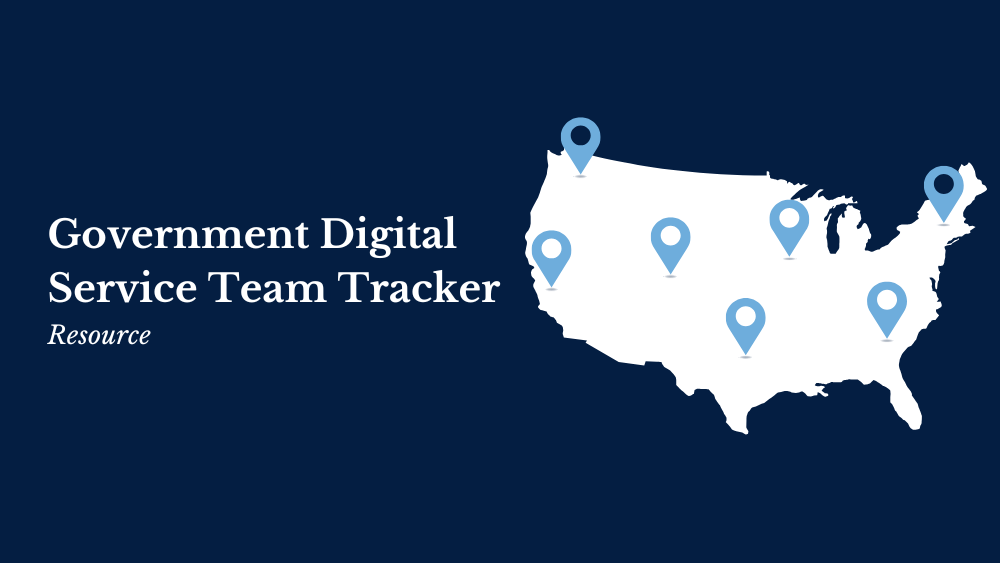
The Beeck Center for Social Impact + Innovation's Digital Service Network (DSN) maintains a Government Digital Service Team Tracker: a living database for those seeking to learn more about the locations, structures, mandates, and more of government digital service teams across the United States.
This interview template includes questions designed to help teams conduct exploratory, semi-structured interviews with government stakeholders involved in program delivery to gather information that can help them evaluate the status quo of digital delivery in their organization.
Michigan's UIA director, Julia Dale, is leading the agency through transition by prioritizing lived experience, hope, grit, and values. Virginia's SNAP Program Manager, Michele Thomas, highlighted the success of Sun Bucks, a summer EBT child nutrition program that fed over 700,000 kids in its first year.
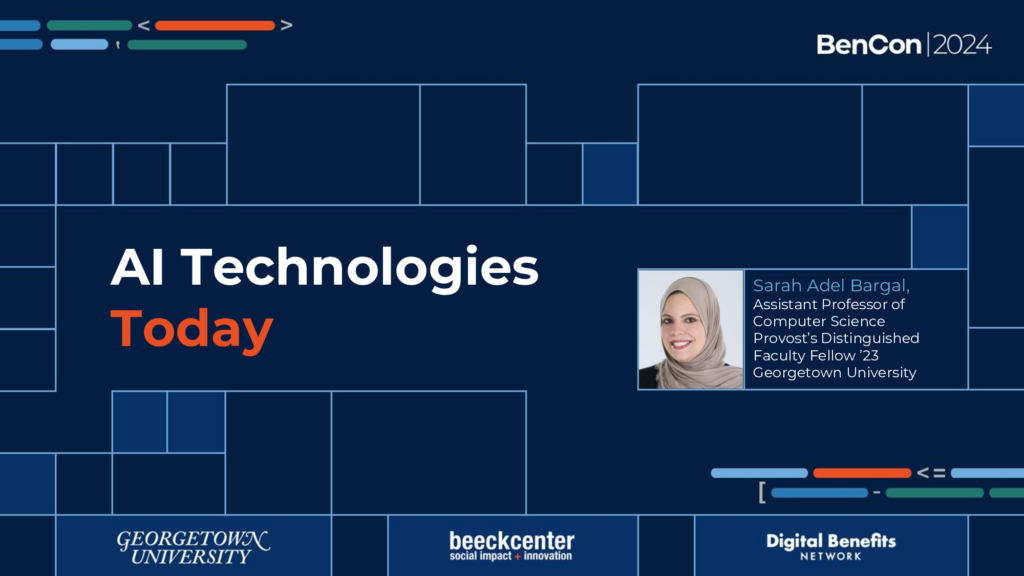
Sarah Bargal provides an overview of AI, machine learning, and deep learning, illustrating their potential for both positive and negative applications, including authentication, adversarial attacks, deepfakes, generative models, personalization, and ethical concerns.