Building on our February 2022 report Benefit Eligibility Rules as Code: Reducing the Gap Between Policy and Service Delivery for the Safety Net, the Beeck Center’s Digital Benefits Network (DBN) recently held a convening to share progress and potential in digitizing benefits eligibility and to begin addressing how a national approach could be started.
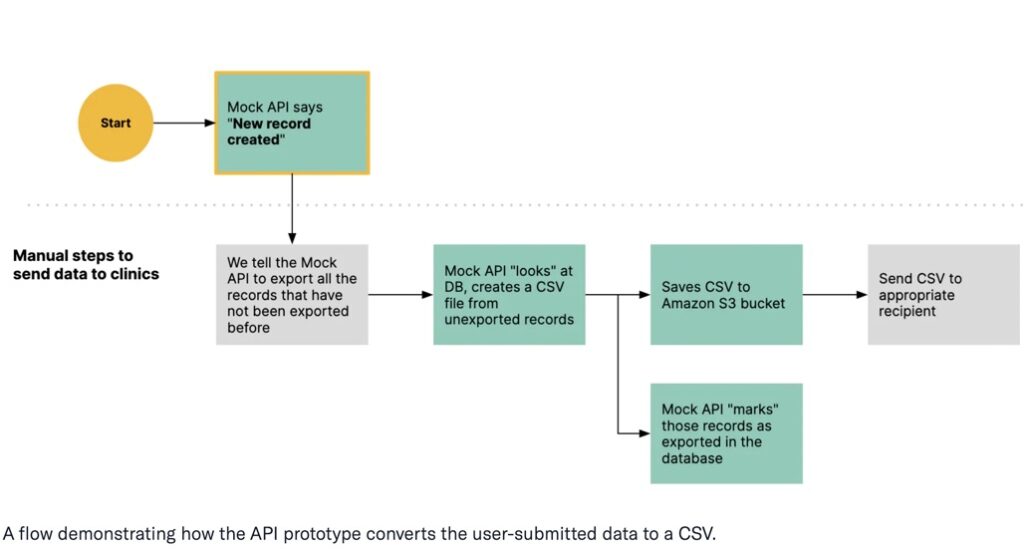
Nava PBC developed a prototype API and digital screener in Montana to streamline eligibility and enhance program access, illustrating how API standards could improve interoperability and modernize WIC systems nationwide.
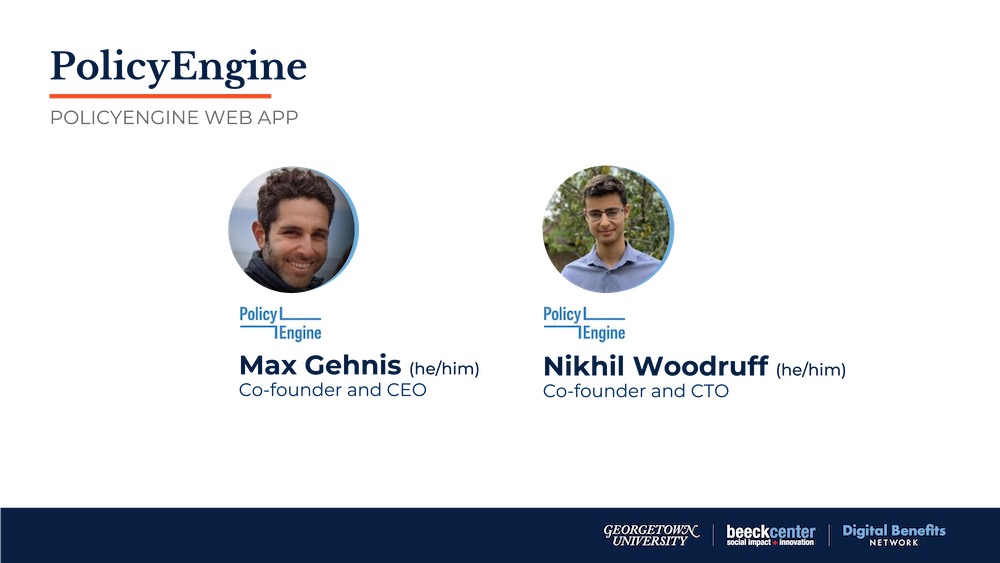
We wrapped up Rules as Code Demo Day with Max Ghenis and Nikhil Woodruff, the founders of PolicyEngine. The PolicyEngine web app computes the impact of tax and benefit policy in the US and the UK. With PolicyEngine, anyone can freely calculate their taxes and benefits under current law and customizable policy reforms, and also estimate the society-wide impacts of those reforms. Policymakers and think tanks from across the political spectrum can analyze actual policy. PolicyEngine is built atop the open source OpenFisca US and UK microsimulation models and they are building an open unified data set utilizing data from the Policy Rules Database, Current Population Survey, Survey of Consumer Finances, Consumer Expenditures, tax records, and IRS Public Use File.
NYC Opportunity collaborated with the Administration for Child Services (ACS) to design a family-centered process for prevention services, addressing confusion and lack of choice in the current system. By creating tools like the Provider Profile and Family Voice booklet, the team empowered families to choose providers based on their needs while ensuring their feedback reaches ACS. The project aims to improve family experiences and communication with ACS, with plans to expand through testing and future innovations like a web portal.
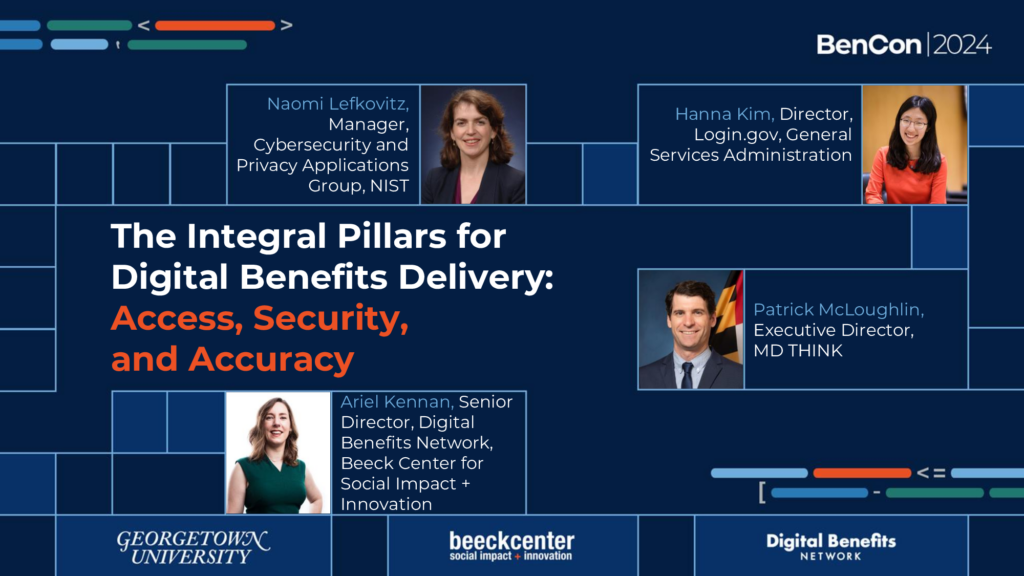
Government leaders discuss how to ensure seamless access to public benefits through breaking down silos, user-friendly digital identities, and privacy-focused security measures.
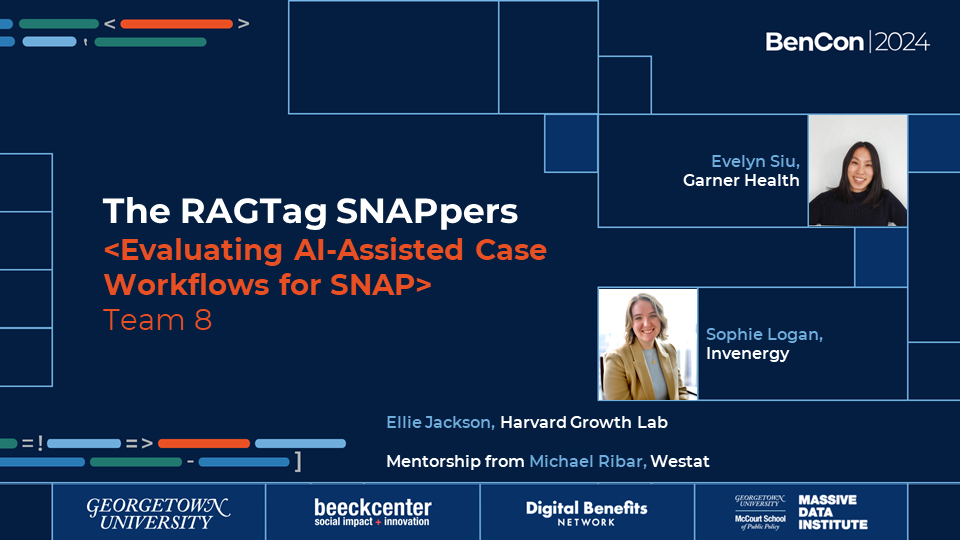
The team examined how AI, specifically LLMs, could streamline the case review process for SNAP applications to alleviate the burden on case workers while potentially improving accuracy.
This publication shares ten ways states can improve start-to-finish customer experience for unemployment insurance claimants. These approaches can increase overall equitable access and system integrity for UI administration.
A collaborative resource document detailing the civic tech support offerings, state and local government resources, and civic tech organizational support.
This is the summary version of a report that documents four experiments exploring if AI can be used to expedite the translation of SNAP and Medicaid policies into software code for implementation in public benefits eligibility and enrollment systems under a Rules as Code approach.
This report documents four experiments exploring if AI can be used to expedite the translation of SNAP and Medicaid policies into software code for implementation in public benefits eligibility and enrollment systems under a Rules as Code approach.