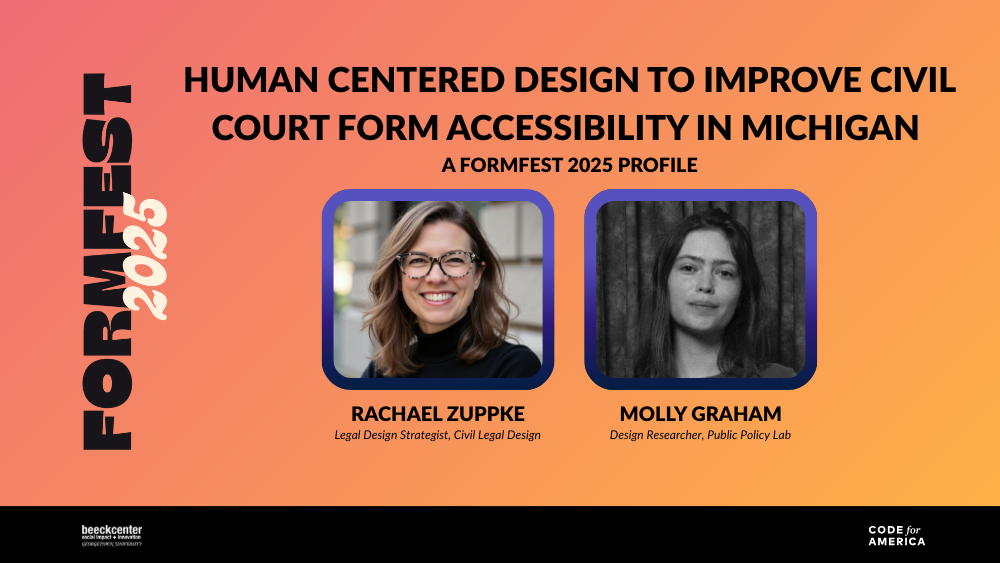
This FormFest profile highlights Rachael Zuppke and Molly Graham’s work to redesign Michigan’s civil court forms using human-centered design, making them more accessible for people who must represent themselves in critical cases like eviction, family law, and guardianship.
An overview video describing the Digital Identity Risk Management process outlined in NIST's Digital Identity Guidelines, which organizations can use to develop a risk-based approach to identity management.
This publication summarizes a body of research about how state benefits administering agencies build and maintain integrated eligibility and enrollment (IEE) systems. It is an easy to reference guide for state administrators, legislators, advocates, and delivery partners.
The Digital Service Network is publishing two essays to kick-start new (or super-charge existing) theories of change for government Digital Service teams.
Building on our February 2022 report Benefit Eligibility Rules as Code: Reducing the Gap Between Policy and Service Delivery for the Safety Net, the Beeck Center’s Digital Benefits Network (DBN) recently held a convening to share progress and potential in digitizing benefits eligibility and to begin addressing how a national approach could be started.
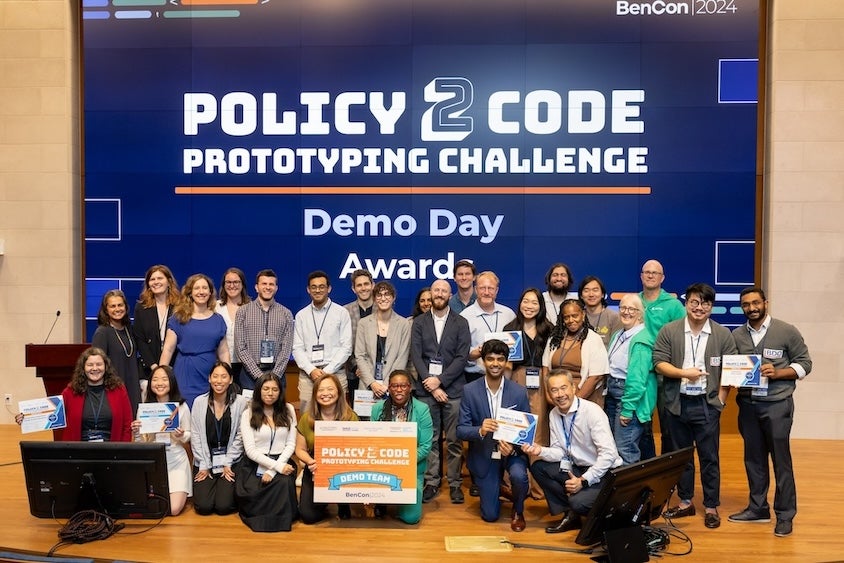
MITRE’s Joe Ditre and Frank Ruscil demoed the code for the Comprehensive Careers and Supports for Households (C-CASH) at Rules as Code Demo Day. The MITRE team expanded the accessibility of the Policy Rules Database and the Cost-of-Living Database (the prior demo) by creating a web service API and a front-end Window’s application called C-CASH Analytic Tool (CAT). CAT provides a more scalable, flexible, and portable functionality which allows end-users to generate various households to run eligibility scenarios across different U.S. counties and states. They are currently working to create a national data hub and analytics tool, starting with utilizing U.S. Census data and populating the data warehouse by pushing large amounts of data through the PRD.
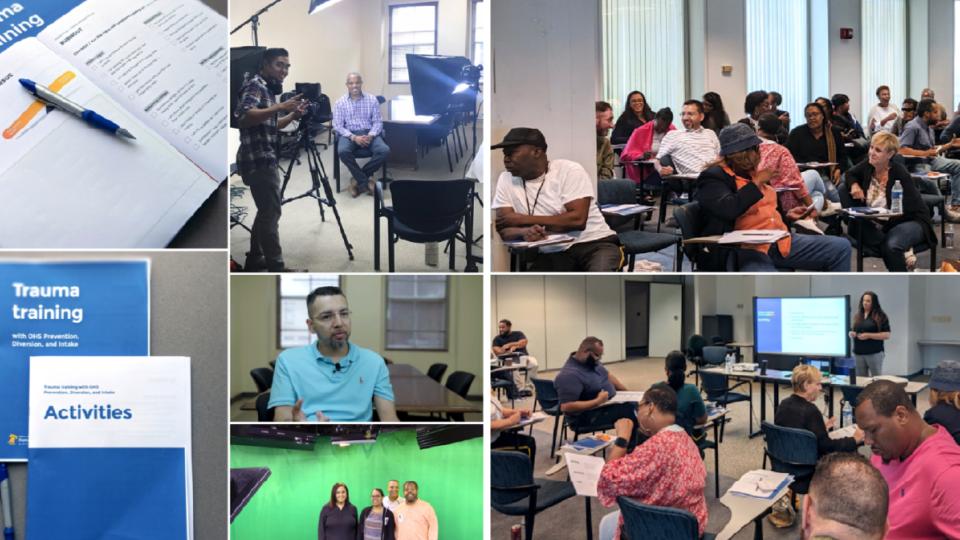
The report highlights a project to improve the Philadelphia Office of Homeless Services' (OHS) prevention and intake processes by implementing trauma-informed practices. In collaboration with staff, participants, and trauma experts, the project aimed to reduce distress for those accessing services while equipping staff with tools and training to better manage trauma-related interactions, creating a more supportive and empathetic service environment.
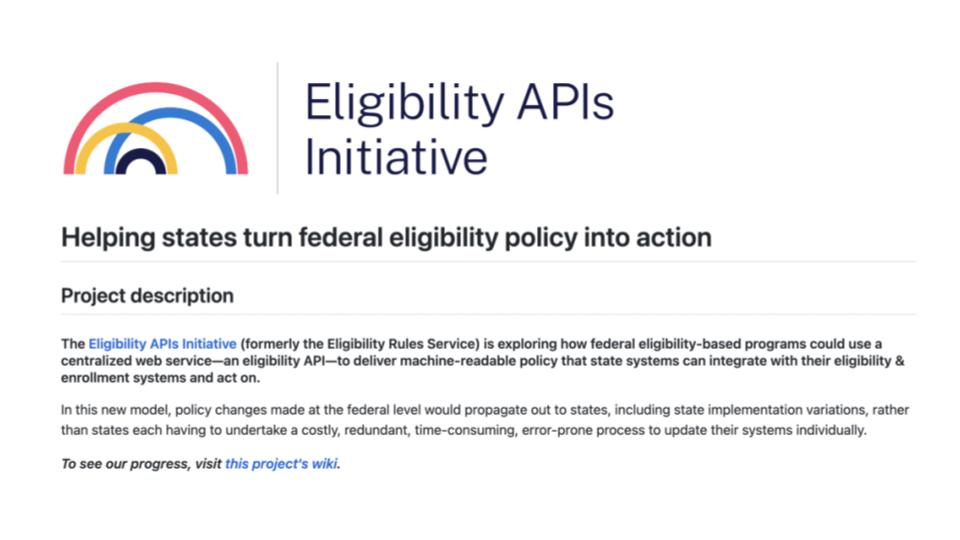
18F, a consultancy within the U.S. General Services Administration, developed a prototype API and pre-screener to model federal SNAP eligibility rules, aiming to simplify benefits access through open-source technology.
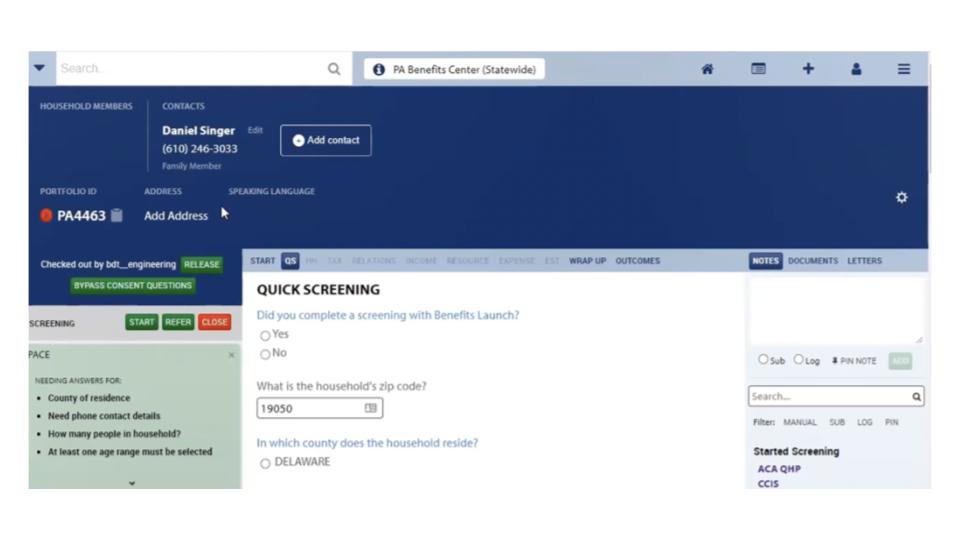
Benefits Data Trust (BDT) is a nonprofit that connects people to public benefits through a streamlined, phone-based application system called Benefits Launch, which reduces redundant questions and speeds up the process for multiple programs. BDT's approach, supported by a custom-built rules engine, has facilitated over 800,000 benefit enrollments, helping secure over $9 billion for eligible households across seven states.