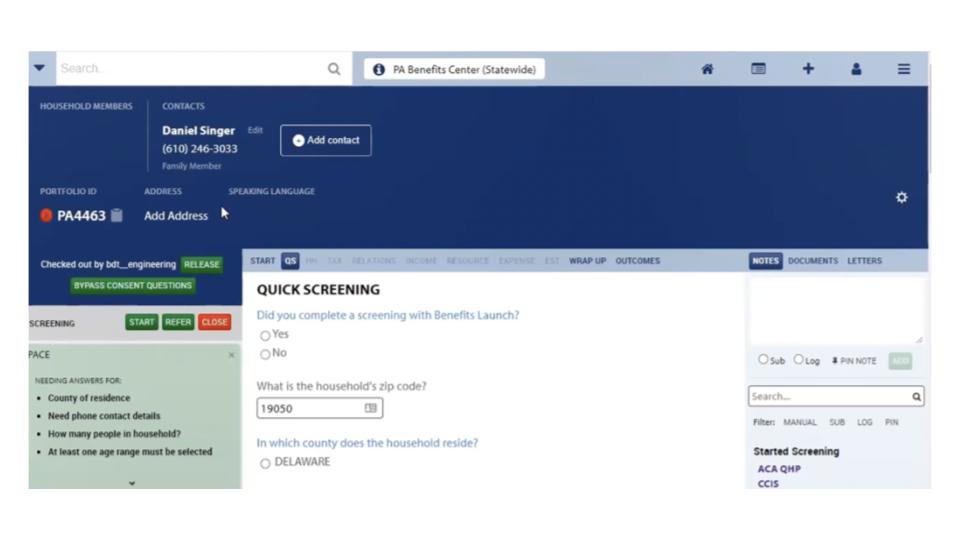
Benefits Data Trust (BDT) is a nonprofit that connects people to public benefits through a streamlined, phone-based application system called Benefits Launch, which reduces redundant questions and speeds up the process for multiple programs. BDT's approach, supported by a custom-built rules engine, has facilitated over 800,000 benefit enrollments, helping secure over $9 billion for eligible households across seven states.
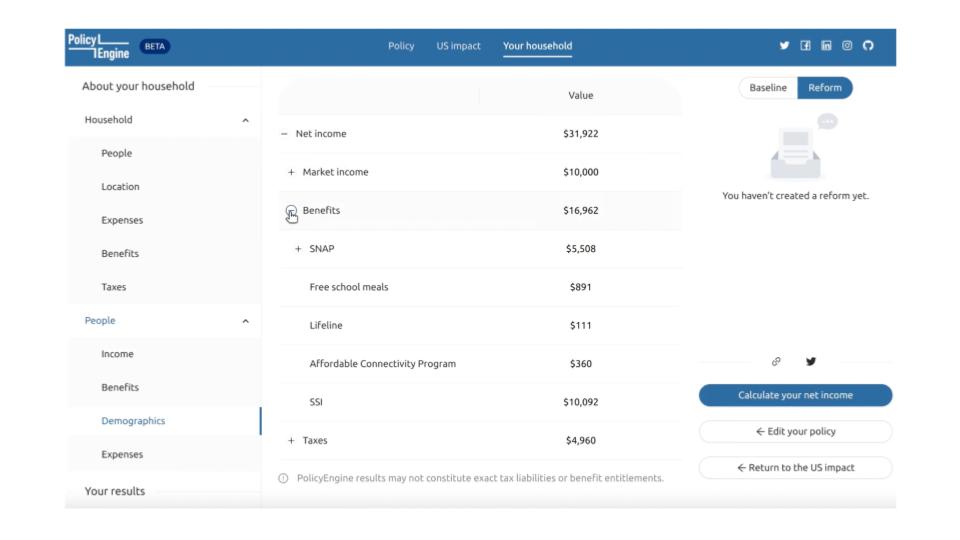
PolicyEngine is a nonprofit that provides a free, open-source web app enabling users in the US and UK to estimate taxes and benefits at the household level, while also simulating the effects of policy changes. By combining tax and benefits data, PolicyEngine helps individuals and policymakers better understand the impacts of existing policies and proposed reforms, using microsimulation models built from legislation and enhanced survey data.
This webinar session discusses the importance of using CX metrics to guide agency-level decisions and how to gather, analyze, and apply customer feedback to optimize products and services.
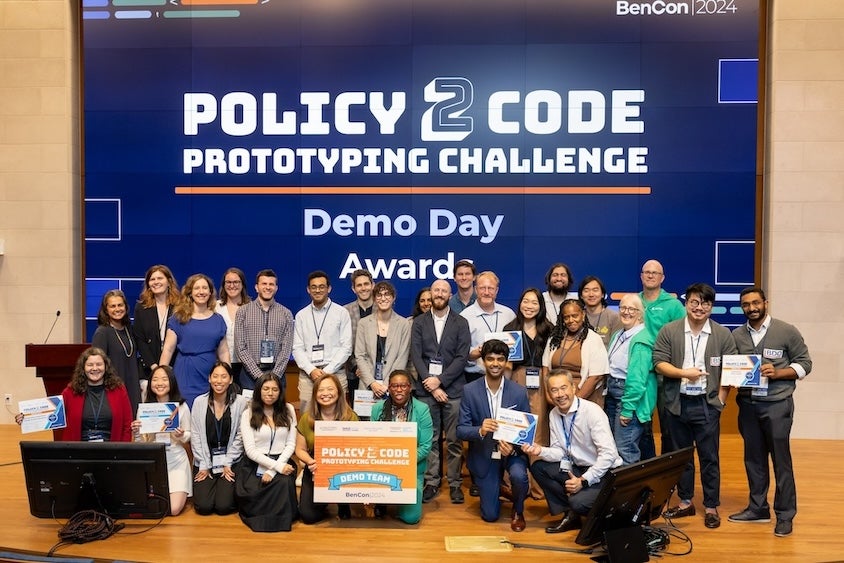
The Policy2Code Prototyping Challenge explored utilizing generative AI technology to translate U.S. government policies for public benefits into plain language and code, culminating in a Demo Day where twelve teams showcased their projects for feedback and evaluation.
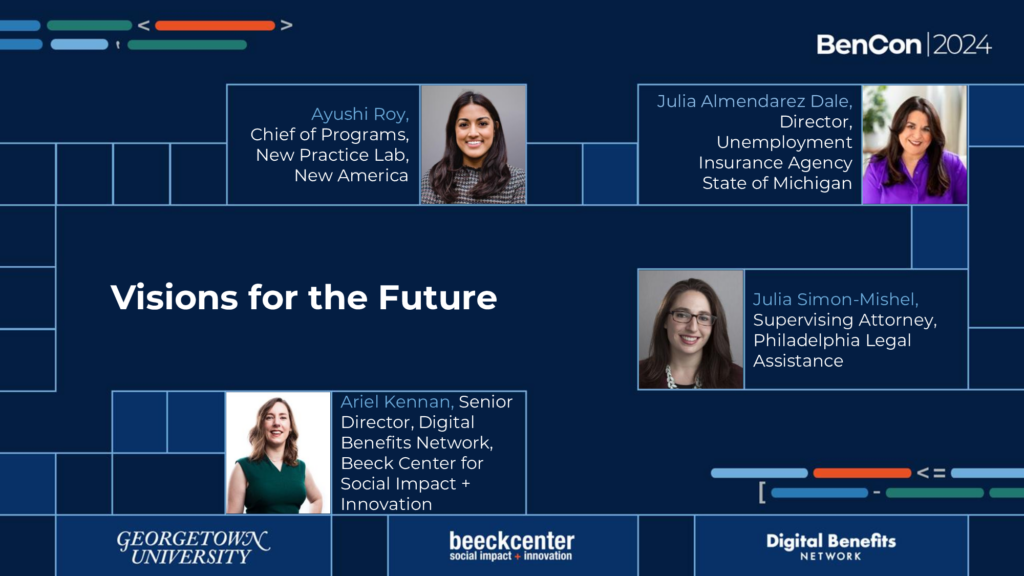
Michigan's UIA director, Julia Dale, is leading the agency through transition by prioritizing lived experience, hope, grit, and values. Virginia's SNAP Program Manager, Michele Thomas, highlighted the success of Sun Bucks, a summer EBT child nutrition program that fed over 700,000 kids in its first year.
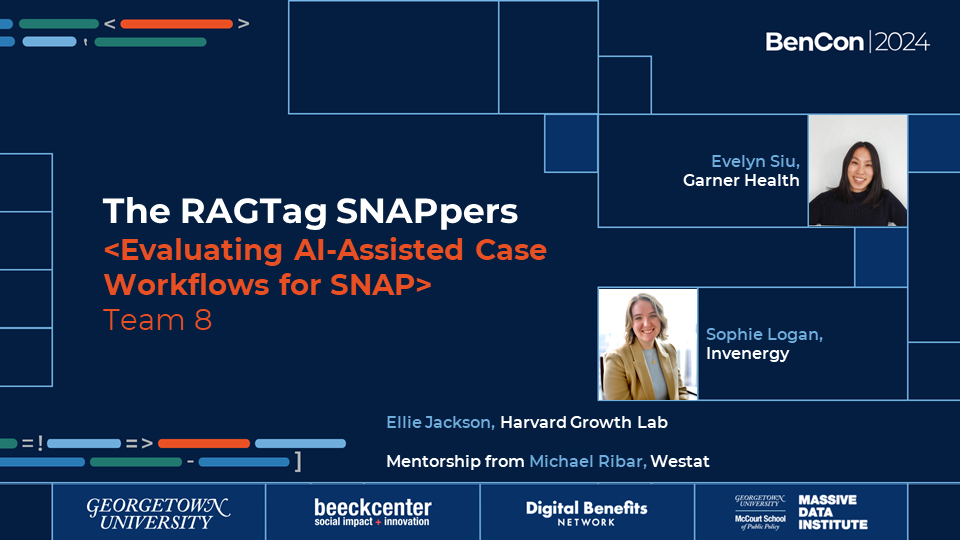
The team examined how AI, specifically LLMs, could streamline the case review process for SNAP applications to alleviate the burden on case workers while potentially improving accuracy.
This video documents the Digital Benefits Network's Digital Identity Community of Practice launch, covering mission review, 2025 goals, California authentication innovations, and peer networking for equitable and effective digital identity in public benefits.
This report documents four experiments exploring if AI can be used to expedite the translation of SNAP and Medicaid policies into software code for implementation in public benefits eligibility and enrollment systems under a Rules as Code approach.