An overview video describing the Digital Identity Risk Management process outlined in NIST's Digital Identity Guidelines, which organizations can use to develop a risk-based approach to identity management.
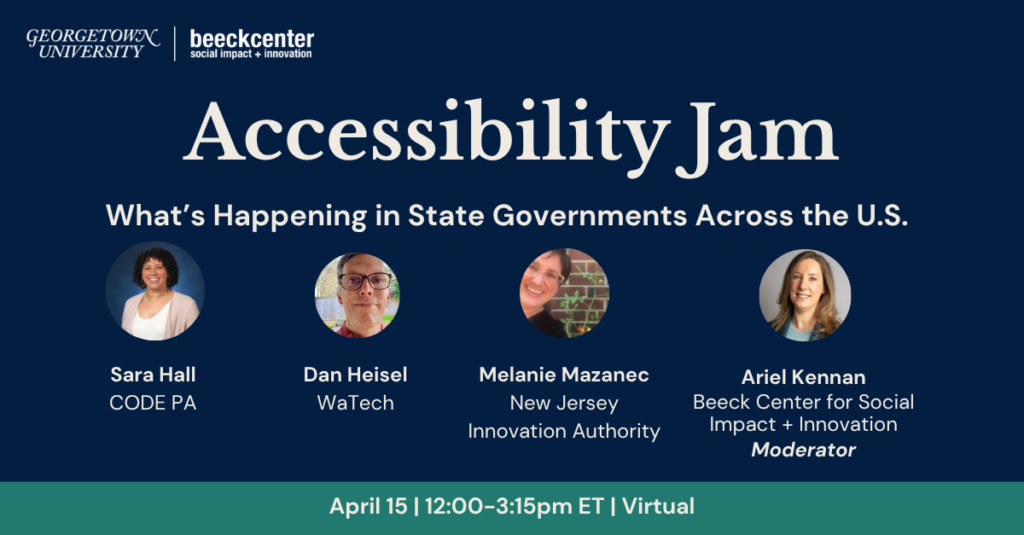
An A11y Jam session on how state agencies prioritize and manage digital accessibility compliance across complex systems using data-driven strategies and cross-agency coordination.
A TLDR of the State CDO Archetypes report—covering how state CDO offices operate and the six archetypes that define them. Written for event attendees and government staff: governor's office, IT and budget leadership, legal and data officials, and legislators who oversee CDO funding and establishment.
This publication offers a starting point into the current research and practice landscape on data interoperability for public benefits administration. It identifies key takeaways for those looking to advance such efforts in their jurisdiction. In particular, it pinpoints what the research reveals about key challenges benefits agencies face, as well as recommendations for addressing those challenges and examples of states and localities that have done so.
In this piece, the Digital Benefits Network shares several sources—from journalistic pieces, to reports and academic articles—we’ve found useful and interesting in our reading on automation and artificial intelligence.
This report examines how the U.S. federal government can enhance the efficiency and equity of benefit delivery by simplifying eligibility rules and using a Rules as Code approach for digital systems.
Through our research understanding the government digital service field and what workers in this field need, we want to help strengthen those existing roles and establish more pathways for promotion and career support, as well as help other teams recognize the value of these skills and create new roles.
The article discusses key takeaways from BenCon 2023, highlighting the importance of creating equitable and ethical public benefits technology. It emphasizes the need for tech solutions that address systemic inequalities, ensure accessibility, and promote inclusivity for underserved communities in accessing public services.
This guide highlights approachable ideas for state and local public benefits agencies to improve applications, renewals, and correspondence. As outlined in this resource, even small improvements can be transformative for residents and caseworkers alike.