This presentation was recorded at the Texting and Notification Working Group meeting coordinated in part by the Aspen Institute Financial Security Program on February 28, 2024.
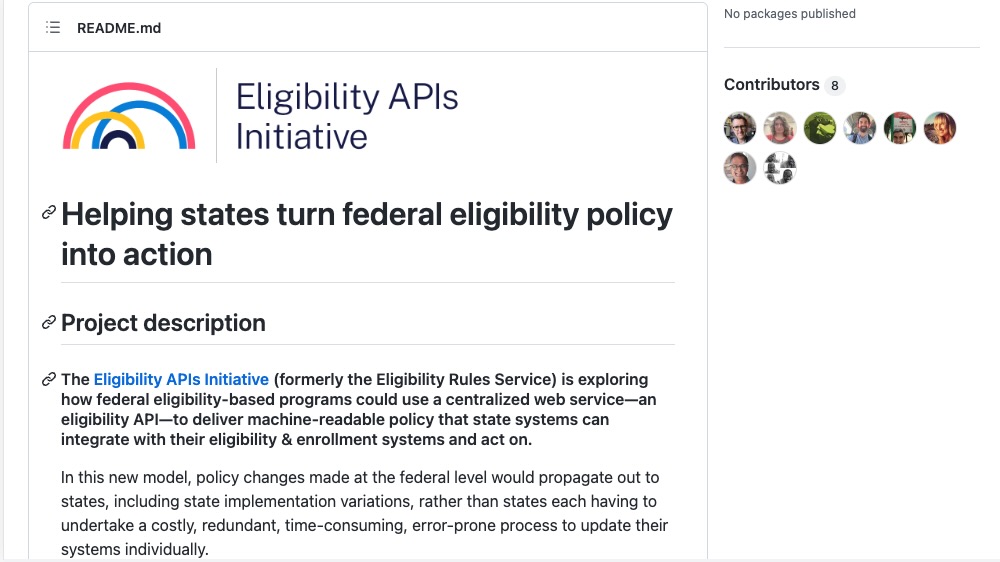
Programs like Medicaid and SNAP are managed at the federal level, administered at the state level, and often executed at the local level. Because there are so many in-betweens, there is significant duplicated effort, demonstrating the need to simplify eligibility rules to facilitate easier implementation.
Sheev Davé, Product Manager at Notify.gov (GSA), provides an overview of what makes an effective multilingual translation through the principles of designing tools that have the ability to have conversations, meeting communities where they are, use of plain language and prioritize tricky topics, key life events and using trusted delivery sources.
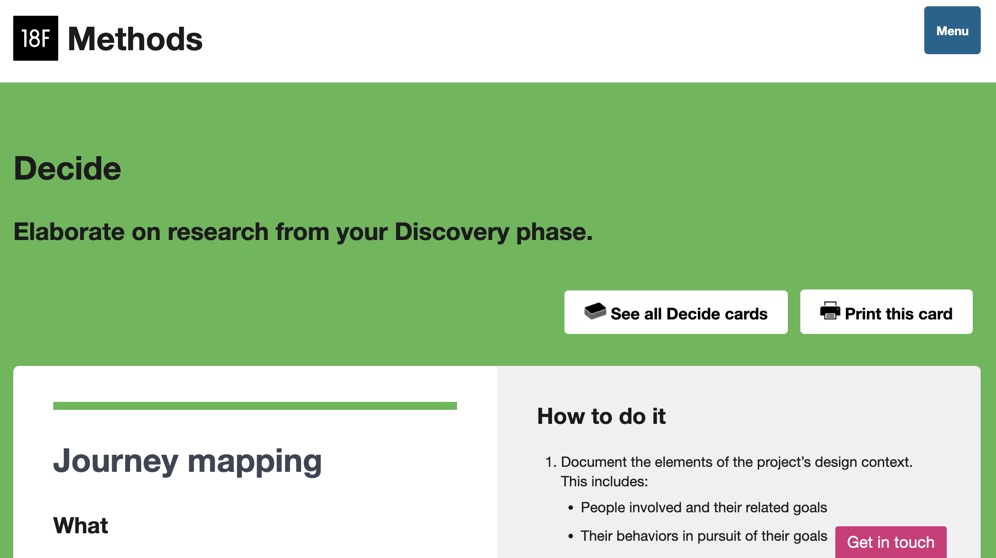
The Decide Methods help you derive insights from the information gathered during the Discovery phase. You’ll validate initial assumptions, develop a deeper understanding of workflows and processes, and develop design hypotheses.