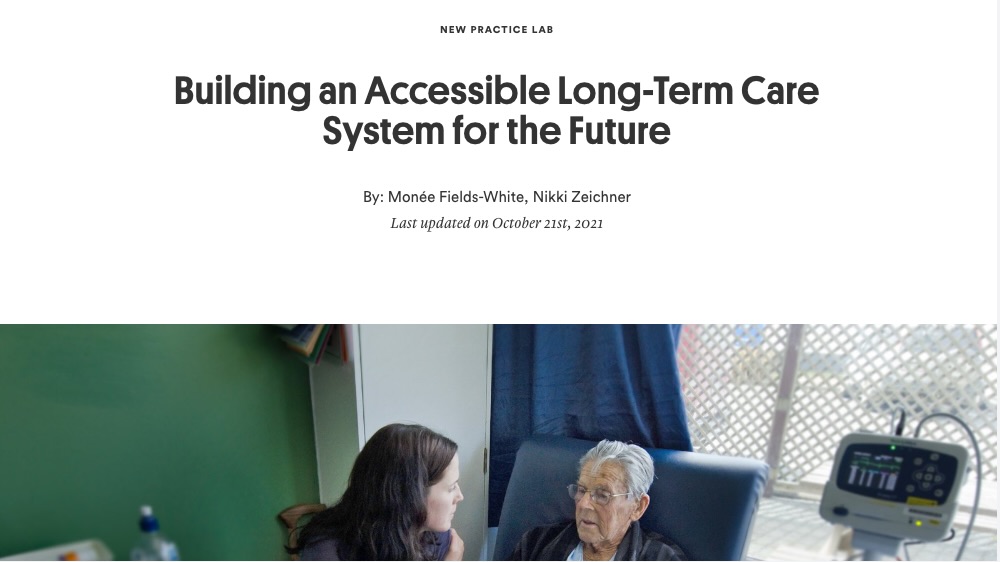
The nation’s long-term care system has struggled for many years, and those constraints are expected to deepen as our nation ages. In 2019, Washington State became the first in the United States to pass legislation that would enable a public state-operated long-term care insurance program, the Washington Cares Fund. We conducted research with the goal to identify concrete ways for Washington State to implement this fund so that it is accessible to all and it supports living-wage jobs for care workers. In this report, we discuss our research methods, we present personas of individuals seeking long-term supports and services from the Washington Cares Fund, and we offer a list of recommendations that, while intended for Washington State, we see as applicable to other states that will embark on offering similar long-term services to residents.
The SDCI User Research Participant Compensation Policy establishes guidelines for providing honoraria to user research participants, ensuring equitable, ethical, and inclusive engagement in SDCI’s UX research.
Seattle Department of Construction & Inspections (SDCI)
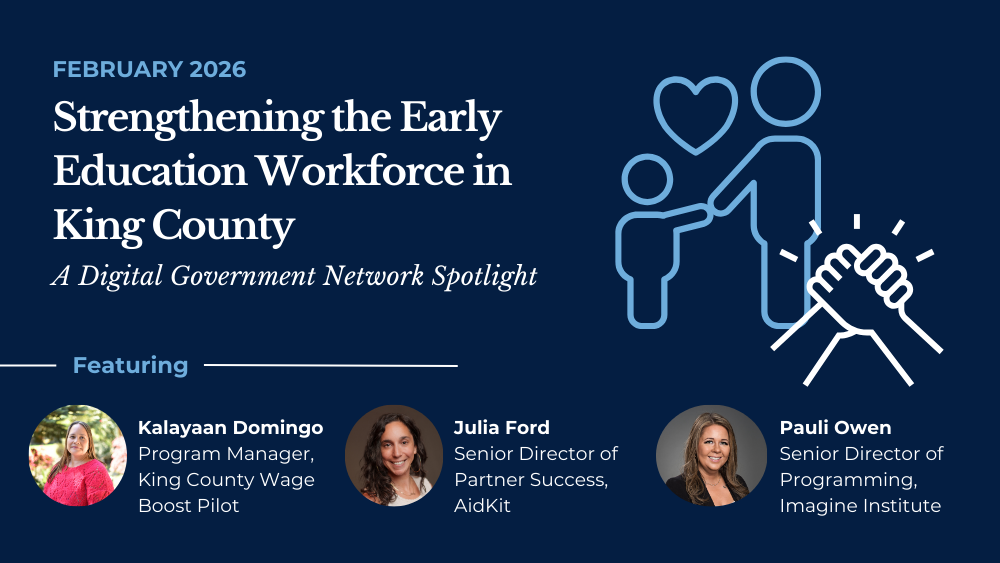
DSN Spotlights are short-form project profiles that feature exciting work happening across our network of digital government practitioners. Spotlights celebrate our members’ stories, lift up actionable takeaways for other practitioners, and put the examples we host in the Digital Government Hub in context.
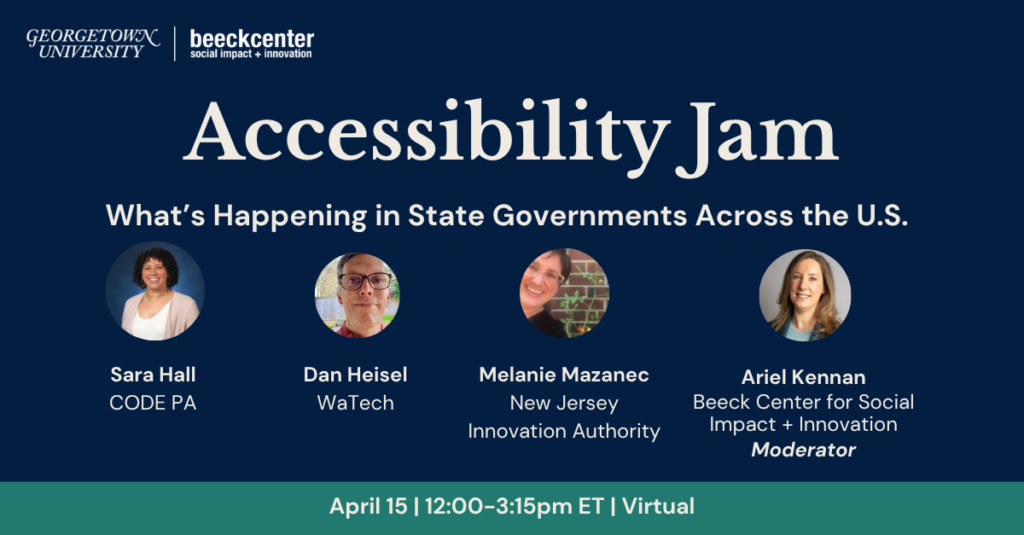
An A11y Jam session on how state agencies prioritize and manage digital accessibility compliance across complex systems using data-driven strategies and cross-agency coordination.
A strategic roadmap outlining the vision, goals, and measurable success criteria for building a unified, resident-centered digital portal for Washington State services.
The study investigates how state agencies administering SNAP comply with Title VI of the Civil Rights Act by providing language access for individuals with limited English proficiency (LEP).
A statewide report outlining the roadmap, governance framework, and implementation plan for responsible generative AI adoption across Washington State government.
DGN Spotlights are short-form project profiles that feature exciting work happening across our network of digital government practitioners. Spotlights celebrate our members’ stories, lift up actionable takeaways for other practitioners, and put the resources + examples we host in the Digital Government Hub in context.
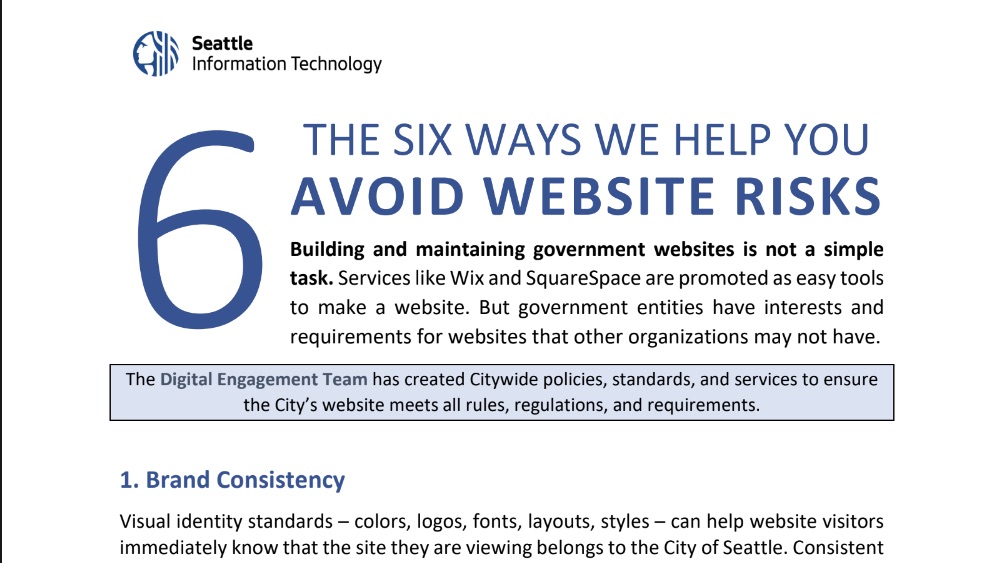
The Seattle.gov website's new Assistance and Discounts page centralizes information on city benefits and services, offering a user-friendly and consistent experience across 7,000 pages.