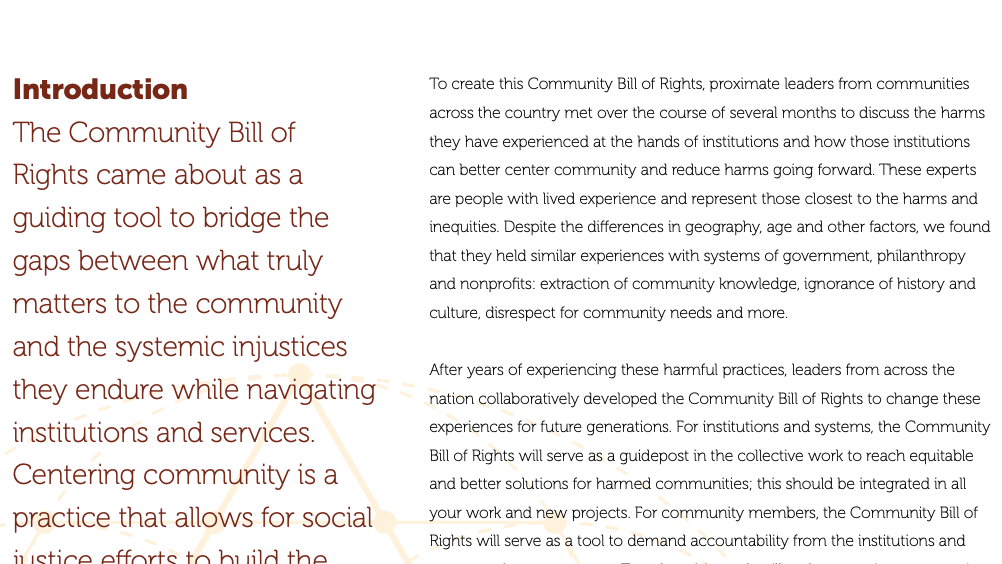
The Community Bill of Rights outlines principles and expectations for institutions to center community voices, share power, and build equitable partnerships with communities affected by systemic harm.
This study highlights a 2.2% increase in citizen satisfaction with federal services, reaching a seven-year high, driven by improvements in digital experiences, government processes, and complaint handling.
This case study highlights a collaborative effort to enhance Nevada’s unemployment insurance (UI) program by simplifying claimant-facing communications and improving user experiences through behavioral science and human-centered design.
National Association of State Workforce Agencies (NASWA)
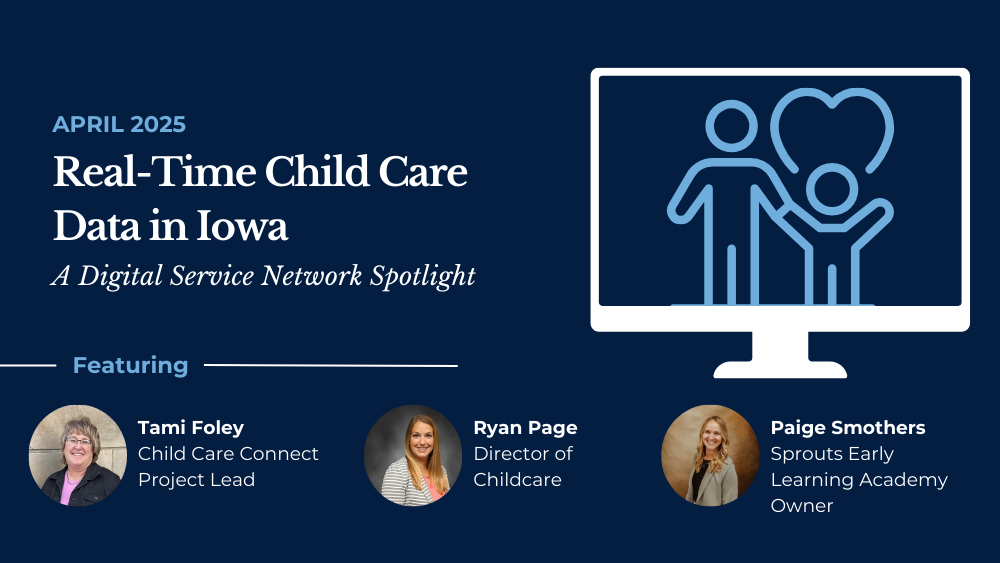
DSN Spotlights are short-form project profiles that feature exciting work happening across our network of digital government practitioners. Spotlights celebrate our members’ stories, lift up actionable takeaways for other practitioners, and put the resources + examples we host in the Digital Government Hub in context.
Digital service (DS) teams across the public sector are working to improve how services are delivered to residents. These teams exist at all levels of government and are iteratively using data, technology, and human-centered design to reframe how residents interact with government.
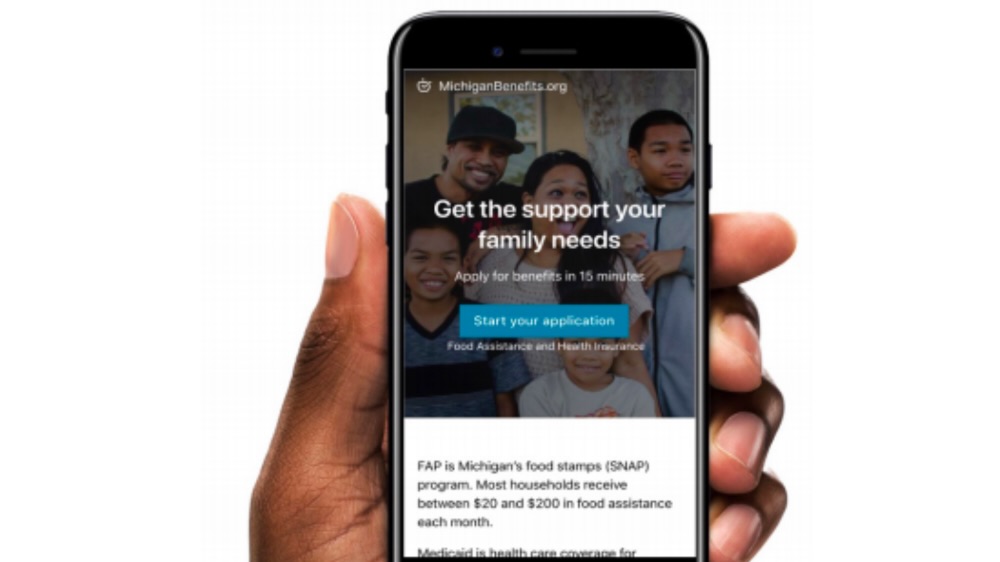
Code for America helped expand GetCalFresh (a service that guides Californians through the SNAP application process and helps government deliver food assistance to people in need) from a small pilot into a statewide service. They also recently concluded a similar pilot in Michigan along with Civilla and the Michigan Department of Health and Human Services.
The Playbook’s purpose is to guide researchers while supporting and lending authority to community organizations as they advocate for partnerships that will benefit their constituencies. The Playbook aims to provide some answers to such questions as: How can technologists and scientists engage communities in a spirit of partnership, without such extractive practices? How can community organizations work with researchers in ways that benefit their communities and expand their capacity, rather than burdening their staff?
USDS partnered with CMCS and state Medicaid agencies to improve eligibility and enrollment systems after the COVID-19 Public Health Emergency ended, focusing on health coverage renewals.
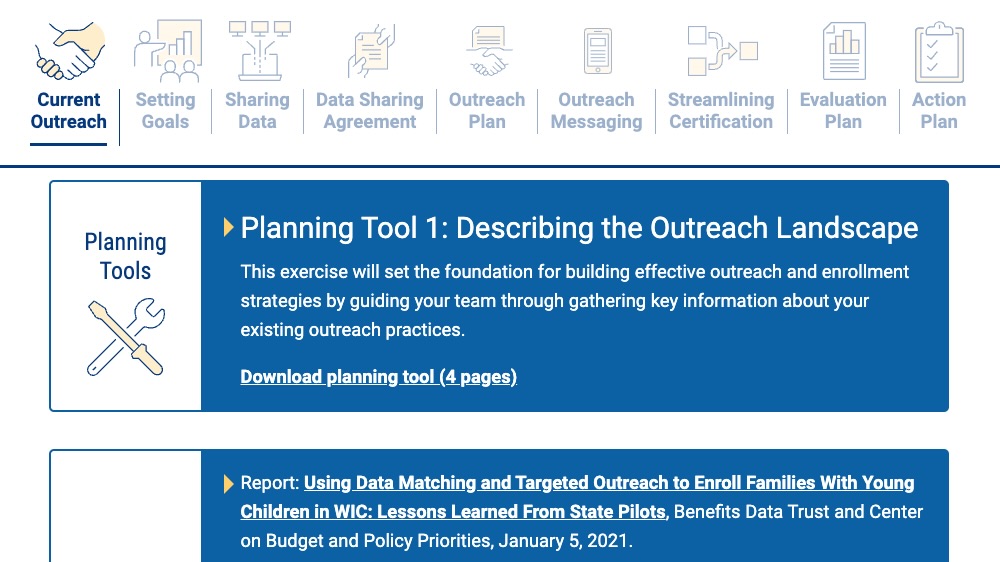
The Assessing Your WIC Certification Practices guide by the Center on Budget and Policy Priorities (CBPP) provides state and local WIC agencies with a framework to evaluate and improve their certification and enrollment processes to enhance access and participation.