The guidelines for bias-free language contain both general guidelines for writing about people without bias across a range of topics and specific guidelines that address the individual characteristics of age, disability, gender, participation in research, racial and ethnic identity, sexual orientation, socioeconomic status, and intersectionality.
WIC enrollment has declined over the last decade, preventing millions of eligible low-income individuals from accessing its benefits. This report examines state WIC outreach pilots and discusses the effectiveness of text message outreach and key considerations when developing and launching targeted text outreach campaigns.
The Digital Service Network is publishing two essays to kick-start new (or super-charge existing) theories of change for government Digital Service teams.
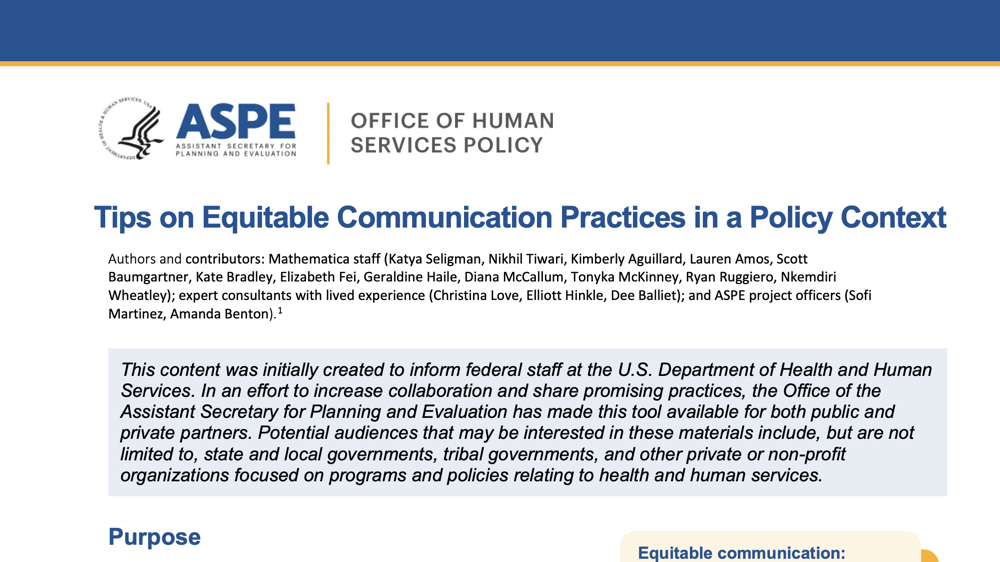
Initially created to inform federal staff at the U.S. Department of Health and Human Services, this tip sheet highlights the importance of using equitable communication and includes tips, guiding questions, and additional resources.
Office of the Assistant Secretary for Planning and Evaluation (ASPE)
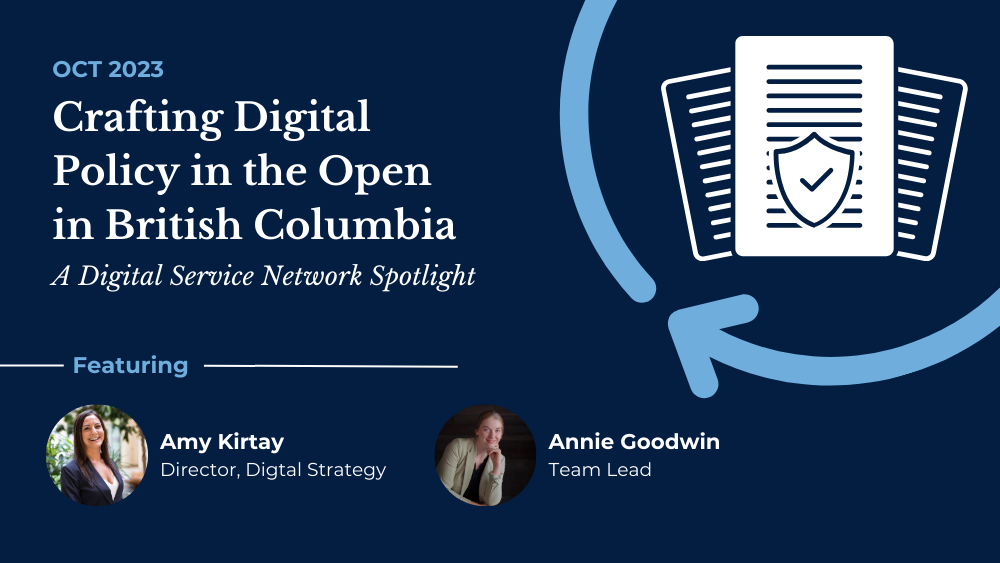
The Digital Service Network (DSN) spoke with two staff members from the Digital Office—Director of Digital Strategy Amy Kirtay and Team Lead Annie Goodwin, to learn more about the Government of British Columbia's Digital Code of Practice.